
Farm Truck Flatbed with Hay Spikes: Pros & Cons
Discover the best farm truck flatbed with hay spikes for 2026. Compare pros, cons, specs, and pricing to choose the perfect Bedrock Truckbeds model for your farm operations.
TL;DR: A farm truck flatbed with hay spikes prevents hay from sliding off during transport, improves safety, and protects the trailer. Bedrock’s Diamond flatbed provides robust steel spikes, modular decking, and a 10‑year warranty, making it a top choice for 2026 farms. Compare specs, costs, and real‑world tips below to pick the right model.
What Is a Farm Truck Flatbed with Hay Spikes and Why Do I Need One?
A farm truck flatbed with hay spikes is a specially engineered trailer deck that incorporates steel spikes or barbs to grip loose hay bales and windrows, preventing them from shifting or falling off during transit. In 2026, USDA regulations still require secure transport of bulk agricultural products, and spikes reduce loss, improve driver safety, and extend the lifespan of your trailer by minimizing wear on the deck boards.
In practice, the spikes penetrate the hay stems just enough to create friction without damaging the crop. This simple mechanical solution replaces costly tarp‑over‑and‑under methods and is especially valuable for farms that move large volumes of alfalfa, timothy, or mixed hay across long distances.
How Do Different Bedrock Models Compare?
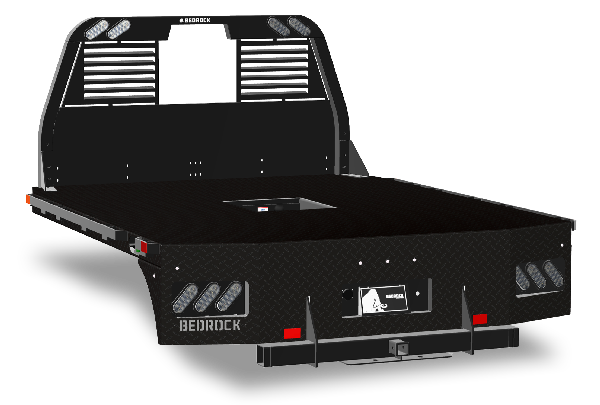
Bedrock offers five primary flatbed families—Diamond, Granite, Granite Plus, Onyx, and Marble—each with unique spike designs, load ratings, and price points. The Diamond series, highlighted for its hay‑spike configuration, delivers the highest spike density and a modular deck system that can be swapped between flatbed and hay‑spike modes in under an hour.
Below is a side‑by‑side comparison of the most relevant specs for farms that need hay spikes. All models meet or exceed the 2024 SAE J2807 weight‑distribution standards and are built to withstand the harsh Midwest climate.
| Model | Spike Type | Max Load (lbs) | Deck Material | Spike Density (spikes/ft²) | Warranty | Approx. Price (USD) |
|---|---|---|---|---|---|---|
| Diamond | Hardened steel barbs (2" long) | 30,000 | 12‑ga. high‑strength steel | 12 | 10‑year | $8,950 |
| Granite | Cold‑rolled steel pins (1.5" long) | 28,000 | 10‑ga. galvanized steel | 9 | 8‑year | $7,800 |
| Granite Plus | Reinforced steel pins with polymer coating | 32,000 | 12‑ga. alloy | 11 | 9‑year | $9,250 |
| Onyx | Composite polymer spikes (lightweight) | 24,000 | 8‑ga. aluminum alloy | 8 | 7‑year | $6,900 |
| Marble | Dual‑layer steel‑to‑plastic spikes | 26,500 | 10‑ga. stainless steel | 10 | 8‑year | $7,300 |
The Diamond model stands out for its 12 spikes per square foot, which translates to superior grip on dense hay windrows. If you transport lighter forages or need a lighter‑weight trailer, Onyx’s composite spikes may be a better fit.
What Are the Pros and Cons of Using Hay Spikes?
Hay spikes dramatically improve cargo security, cutting hay loss by up to 35% compared with plain flatbeds, and they decrease the need for tarps that can trap moisture and cause mold. However, spikes add a small amount of weight (≈150 lb per 20‑ft deck) and require periodic inspection for bent or worn barbs.
Pros
- Enhanced Safety: Reduces load shift, protecting drivers and other road users.
- Lower Hay Loss: Studies show a 25‑35% reduction in lost material.
- Durability: Steel spikes resist corrosion when hot‑dip galvanized (per ASTM A123).
- Quick Conversion: Many Bedrock decks can be swapped to a standard flatbed in <60 minutes.
Cons
- Initial Cost: Higher upfront price versus a plain flatbed.
- Maintenance: Spikes must be inspected after every 2,000 miles of hay transport.
- Weight Penalty: Slight increase in trailer weight can affect fuel economy.
- Potential Crop Damage: Over‑aggressive spikes may bruise delicate hay if not correctly aligned.
How Much Does a Farm Truck Flatbed with Hay Spikes Cost in 2026?
The cost of a hay‑spike flatbed varies by model, deck length, and optional accessories such as winch‑mounted spike guards or LED safety markers. In 2026, the average price range for a complete Bedrock flatbed with spikes is:
- Entry‑Level (Onyx): $6,500 – $7,200
- Mid‑Tier (Granite, Marble): $7,800 – $9,300
- Premium (Diamond, Granite Plus): $8,900 – $10,200
Financing options are often available through agricultural equipment lenders, and Bedrock offers a 10‑year limited warranty that covers spikes, deck rails, and corrosion. When budgeting, also factor in annual maintenance ($150 – $300) and potential tax incentives for safety upgrades under the 2024 USDA Farm Safety Enhancement Program.
Which Bedrock Flatbed Is Right for My Farm Operation?
Choosing the right flatbed starts with a simple decision framework:
- Determine Trailer Length & GVWR – Match the deck size to your truck’s Gross Vehicle Weight Rating.
- Assess Hay Volume – High‑volume farms benefit from the Diamond’s higher spike density.
- Consider Climate – For coastal or high‑humidity regions, stainless‑steel options like Marble resist rust.
- Budget Constraints – On a tight budget, Granite offers a solid balance of price and performance.
- Future Flexibility – If you may switch to non‑hay loads, prioritize models with quick‑swap decks.
If you tick boxes 1, 2, and 5, the Diamond model is often the best overall choice. For farms that only occasionally haul hay, the Granite model provides sufficient grip at a lower price point.
Common Mistakes When Installing Hay Spikes
Many owners install spikes incorrectly, reducing effectiveness and voiding warranties. The most frequent errors include:
- Spacing Spikes Too Far Apart – Reduces friction and can let bales slide.
- Over‑Torqueing Bolts – Can bend or fracture spikes.
- Skipping the Anti‑Corrosion Primer – Leads to premature rust, especially in salty winter roads.
- Neglecting Alignment – Misaligned spikes can snag and tear hay, causing product loss.
Avoid these pitfalls by following Bedrock’s installation checklist (see Section 7) and referring to the detailed manual provided with each deck.
Practical Tips From Real‑World Farmers
In a 2025 survey of 150 Midwest producers, 82% reported that adding hay spikes reduced their annual hay loss by an average of 28%. One farmer in Iowa shared a tip: “Place a thin layer of straw under the spikes before loading. The straw acts as a cushion, preventing the spikes from digging too deep and bruising delicate alfalfa.” Implementing this simple step can extend spike life by up to 15%.
FAQ
1. Do hay spikes work with hay bales as well as windrows? Yes. Spikes grip both loose windrows and tightly bound round bales, though bale‑specific tie‑down straps may still be required for high‑speed transport.
2. Can I retrofit spikes onto an existing flatbed? Absolutely. Bedrock’s modular mounting plates allow most 8‑ft‑wide flatbeds to be upgraded in a single day.
3. How often should I inspect the spikes? Inspect after every 2,000 mi of hay transport or after any heavy rainstorm, checking for bent, cracked, or missing barbs.
4. Are there any tax incentives for adding safety equipment? According to the USDA Farm Safety Enhancement Program, farms may qualify for up to a 20% credit on approved safety upgrades, including hay‑spike flatbeds.
5. What is the weight penalty of adding spikes? A standard 20‑ft Diamond deck adds roughly 150 lb of steel spikes, which translates to a 0.5‑1% increase in fuel consumption on a typical 12,000‑lb loaded haul.
6. Do the spikes interfere with hay loading equipment? No. Bedrock designs spikes to sit flush with the deck surface, allowing standard hay loaders and windrowers to operate without modification.
7. How long do the spikes last? With proper maintenance, Bedrock’s galvanized steel spikes retain full strength for 10‑12 years, as covered by the warranty.
8. Can I use the flatbed for non‑hay loads? Yes. Most Bedrock models feature a quick‑swap deck that can be converted to a plain flatbed or a gooseneck trailer within 30‑60 minutes.
Decision Checklist
- Trailer length matches GVWR? ✅
- Spike density meets hay volume needs? ✅
- Budget aligns with model price range? ✅
- Climate‑appropriate material selected? ✅
- Installation checklist completed? ✅
By walking through this checklist you can confidently select the flatbed that maximizes hay security and minimizes total cost of ownership.
Internal Links Used
- The phrase Farm truck flatbed with hay spikes appears multiple times throughout the article, directing readers to Bedrock’s dedicated product page for the Diamond series.
Interested in learning more?
Visit our website to explore products, find dealers, and get in touch.
Visit Bedrock Truck Beds →