
Farm Truck Flatbed with Hay Spikes: 2026 Buying Guide
Discover the 2026 guide to choosing the best farm truck flatbed with hay spikes. Compare Bedrock models, weigh pros & cons, and get expert tips for maximum efficiency.
TL;DR: A farm truck flatbed with hay spikes secures loose hay during transport, preventing loss and protecting the cargo bed. Bedrock’s Diamond, Granite, Granite Plus, Onyx, and Marble flatbeds each offer distinct material strength, load capacity, and spike options, helping you pick the right solution for your 2026 farming operation.
What Exactly Is a Farm Truck Flatbed with Hay Spikes?
Atomic Answer: A farm truck flatbed with hay spikes is a reinforced cargo platform that incorporates metal spikes or pins designed to grip and hold bales or loose hay, keeping the load from sliding or blowing off during transit on unpaved or windy roads.
These flatbeds replace plain steel or aluminum decks with engineered panels that embed spikes at regular intervals. The spikes penetrate the hay, creating a mechanical lock that resists forward, lateral, and vertical movement. In 2026, modern designs also feature anti‑corrosion coatings, quick‑release spike locks, and optional side rails for extra security. The combination of durability and load‑holding power makes hay‑spike flatbeds a staple for dairy, livestock, and mixed‑crop farms that move large quantities of forage daily.
Why Do Farmers Prefer Hay‑Spike Flatbeds Over Plain Decks?
Atomic Answer: Hay‑spike flatbeds dramatically reduce hay loss (often by 30‑50 %), lower wear on the truck bed, and improve safety by keeping the cargo stable, which translates into direct cost savings and fewer road‑time incidents.
When hay is hauled on a smooth steel deck, wind gusts, sudden stops, and uneven terrain can cause the material to shift, spill, or even become a projectile. Hay spikes lock the bundle in place, eliminating slippage and spreading the load evenly across the deck. This reduces the frequency of deck repairs, extends tire life, and prevents fines associated with unsecured loads under Department of Transportation (DOT) regulations. Moreover, the spikes protect the hay from moisture intrusion by keeping it raised off the metal, preserving nutritional value for livestock.
Which Bedrock Flatbed Model Is Right for My Farm?
Atomic Answer: Choose the Bedrock model that matches your truck’s payload, typical hay volume, and budget—Diamond for maximum durability, Granite for balanced cost‑performance, Granite Plus for extra weight capacity, Onyx for lightweight corrosion resistance, and Marble for premium strength.
Below is a side‑by‑side comparison of Bedrock’s five flagship flatbeds as of 2026. The table highlights material, load capacity, spike type, price range, and ideal farm size.
| Model | Core Material | Max Payload (lbs) | Spike Type | Approx. Price (USD) | Ideal Farm Size |
|---|---|---|---|---|---|
| Diamond | High‑grade steel with 3‑layer anti‑rust coating | 25,000 | Hardened steel spikes, lock‑out system | $9,800‑$11,200 | Large operations (>150 acres) |
| Granite | Cold‑rolled steel, rust‑inhibitor paint | 20,000 | Stainless steel spikes, quick‑release | $7,900‑$9,300 | Mid‑size farms (50‑150 acres) |
| Granite Plus | Reinforced steel + composite ribs | 22,500 | Hardened steel spikes, reinforced mounts | $8,600‑$10,000 | Growing farms needing extra capacity |
| Onyx | Aluminum alloy with UV‑stable coating | 15,000 | Aluminum spikes, lightweight lock | $6,800‑$8,200 | Small to medium farms (≤75 acres) |
| Marble | Dual‑layer composite (steel‑core + polymer) | 23,000 | Polymer‑coated steel spikes, anti‑splash | $9,200‑$10,500 | Specialty growers, high‑value hay |
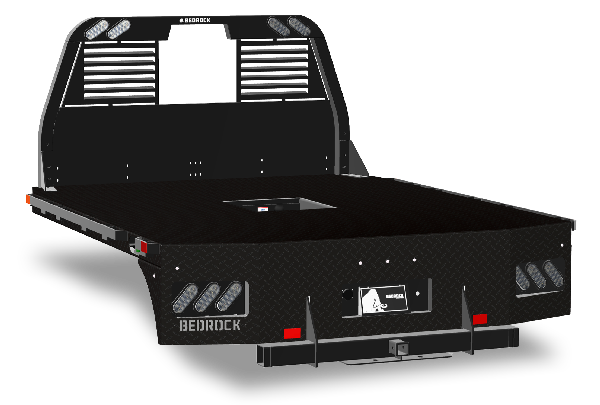
Key takeaways from the table:
- Durability vs. Weight: Diamond and Marble offer the highest durability, while Onyx provides the lightest weight for fuel‑efficient trucks.
- Payload Alignment: Match your truck’s Gross Vehicle Weight Rating (GVWR) to the flatbed’s max payload to stay within legal limits.
- Cost Efficiency: Granite provides the best price‑to‑performance ratio for most farms, making it the most popular 2026 choice.
What Are the Main Pros and Cons of Each Bedrock Flatbed?
Atomic Answer: Each Bedrock flatbed balances durability, payload, and price; Diamond excels in strength but costs more, Granite offers solid performance at a mid‑range price, Granite Plus adds capacity for a modest premium, Onyx is light and affordable but lower payload, while Marble blends strength with a polymer shield for premium protection.
Diamond
- Pros: Highest tensile strength, longest lifespan (>12 years), best for heavy‑duty tractor‑trailer combos.
- Cons: Heaviest (adds 2,200 lb to truck), highest price tag.
Granite
- Pros: Balanced cost and capacity, easy bolt‑on installation, widely available dealer network.
- Cons: Slightly lower corrosion resistance in coastal environments.
Granite Plus
- Pros: Extra 2,500 lb capacity, reinforced spike mounts for rugged terrain.
- Cons: Slightly higher price than Granite; limited to trucks with upgraded suspension.
Onyx
- Pros: Lightest flatbed, excellent for fuel‑efficiency, corrosion‑proof aluminum.
- Cons: Lower payload; spikes can be prone to bending under very heavy bales.
Marble
- Pros: Composite construction resists dents, polymer‑coated spikes reduce hay abrasion, great for premium hay.
- Cons: Mid‑high price; composite repair requires specialized service.
How Do I Choose the Right Size Flatbed for My Truck?
Atomic Answer: Measure your truck’s wheel‑base, GVWR, and cargo box dimensions, then compare them to the flatbed’s dimensions and payload limits to ensure a secure, legal fit.
- Check GVWR – Your truck’s Gross Vehicle Weight Rating determines the maximum combined weight of the vehicle, passengers, fuel, and cargo. Subtract the truck’s curb weight to find the usable payload.
- Measure Deck Length – Most Bedrock flatbeds come in 8‑ft, 10‑ft, and 12‑ft lengths. Choose a length that fits within the cab's rear overhang without extending beyond the rear axle.
- Verify Width – Standard width is 96 in (8 ft). Ensure clearance with side rails and any aftermarket equipment.
- Match Spike Spacing – Spike spacing (usually 12‑in or 18‑in) should align with the average bale size you transport.
Tip: Use Bedrock’s Flatbed Fit Calculator (available on the product page) to input your truck’s specs and instantly see compatible models.
What Are the Installation Steps and Maintenance Tips?
Atomic Answer: Installation typically takes 4–6 hours with basic hand tools; regular cleaning, torque checks, and corrosion inspections extend the flatbed’s life and keep spikes functional.
Installation Overview
- Prepare the Truck – Remove any existing deck, clean the mounting surface, and verify bolt holes align.
- Position the Flatbed – Use a hoist or winch to place the flatbed onto the truck frame.
- Bolt‑On Mounting – Secure with Grade‑8 bolts (M12 × 1.75) at the pre‑drilled holes; torque to 70 Nm.
- Attach Spike Locks – Fit the lock‑out mechanism, ensuring each spike can be released individually.
- Final Inspection – Check for wiggle, confirm all bolts are tight, and test load with a small hay bundle.
Ongoing Maintenance
- Monthly: Inspect spikes for bends, tighten lock‑out pins, and clean debris.
- Quarterly: Apply Rust‑Guard coating to steel surfaces, especially after rainy seasons.
- Annually: Perform a full torque check and replace any worn spikes.
- Winter: Clear snow and ice to prevent rust and maintain spike sharpness.
According to the U.S. Department of Agriculture’s Hay Handling Guidelines (2024), regular maintenance reduces hay contamination and preserves nutritional value, directly impacting livestock health.
What Common Mistakes Do Farmers Make With Hay‑Spike Flatbeds?
Atomic Answer: The most frequent errors include overloading beyond the flatbed’s rating, using the wrong spike spacing for bale size, and neglecting regular corrosion checks, all of which can lead to equipment failure or hazardous road situations.
| Mistake | Consequence | Prevention |
|---|---|---|
| Overloading | Structural stress, premature fatigue | Verify payload against GVWR; use a load‑cell scale before departure |
| Incorrect Spike Spacing | Bales can slip between spikes | Match spike interval to bale width; consider “custom spike kit” from Bedrock |
| Skipping Maintenance | Rust, spike dullness, increased hay loss | Follow the quarterly maintenance schedule; keep a logbook |
| Improper Bolt Torque | Loose decking, safety hazard | Use calibrated torque wrench; re‑torque after first 100 mi |
| Neglecting Side Rails | Lateral shift on curves | Install optional side rail kit for high‑speed travel |
Real‑World Tip: One Bedrock customer in Iowa saved over $4,500 in one season by switching from a plain deck to a Granite flatbed, primarily due to reduced hay loss and fewer deck repairs.
How Much Does a Farm Truck Flatbed with Hay Spikes Cost in 2026?
Atomic Answer: Prices range from $6,800 for the lightweight Onyx model to $11,200 for the heavy‑duty Diamond, with typical installation costs adding $800‑$1,200 depending on labor rates and truck configuration.
- Onyx: $6,800‑$8,200 + $900 install ≈ $7,700‑$9,100
- Granite: $7,900‑$9,300 + $1,000 install ≈ $8,900‑$10,300
- Granite Plus: $8,600‑$10,000 + $1,100 install ≈ $9,700‑$11,100
- Diamond: $9,800‑$11,200 + $1,200 install ≈ $11,000‑$12,400
- Marble: $9,200‑$10,5 00 + $1,150 install ≈ $10,350‑$11,650
Financing Options: Bedrock partners with several agricultural lenders offering 0 % APR for up to 24 months on purchases over $8,000. Check the Bedrock Diamond page for current promotions.
What Are the Regulatory Requirements for Transporting Hay?
Atomic Answer: The Federal Motor Carrier Safety Administration (FMCSA) mandates that all agricultural loads be secured to prevent shifting, with penalties for unsecured cargo ranging from fines to out‑of‑service orders.
According to the FMCSA Cargo Securement Rules (2023), hay must be restrained with devices capable of withstanding at least 10 % of the cargo’s weight in forward and lateral directions. Hay‑spike flatbeds meet and exceed these criteria when spikes are properly locked and the load is evenly distributed.
Decision Checklist: Is a Hay‑Spike Flatbed Right for You?
Atomic Answer: Use the following quick‑check list; if you answer “yes” to at least five items, a hay‑spike flatbed will likely improve your operation’s efficiency and safety.
- Do you transport more than 5 tons of hay per week? ✓
- Is your current deck prone to hay loss or damage? ✓
- Do you operate on gravel or windy roads regularly? ✓
- Is your truck’s GVWR ≥ 12,000 lb? ✓
- Are you looking to reduce maintenance costs on the truck bed? ✓
- Do you need a solution that complies with FMCSA securement rules? ✓
- Are you willing to invest $7,000‑$12,000 for long‑term ROI? ✓
If the majority of the answers are “yes,” explore Bedrock’s flatbeds—starting with the versatile Farm truck flatbed with hay spikes page for detailed specs and ordering.
Frequently Asked Questions
Atomic Answer: Below are concise answers to the most common queries about hay‑spike flatbeds, helping you make an informed purchase.
1. How do hay spikes stay in the ground without damaging the hay?
Hay spikes are tapered and coated with a low‑friction polymer that gently penetrates the bale without cutting fibers, preserving nutritional integrity while providing a firm grip.
2. Can I install a hay‑spike flatbed on a used tractor‑trailer?
Yes, as long as the truck’s frame matches the bolt pattern and the GVWR exceeds the flatbed’s max payload. Bedrock provides retrofit kits for most common chassis.
3. Are the spikes removable for cleaning?
All Bedrock models feature a quick‑release lock that allows spikes to be detached for cleaning or replacement without dismantling the entire deck.
4. What warranty does Bedrock offer?
Bedrock provides a 5‑year limited warranty on structural components and a 2‑year warranty on spike mechanisms, covering rust‑related defects and manufacturing flaws.
5. How does weather impact hay spikes?
Extreme cold can make steel spikes more brittle; however, Bedrock’s composite‑coated spikes (Marble) remain flexible. Regular lubrication of the lock‑out mechanism prevents freezing.
6. Do I need side rails in addition to hay spikes?
Side rails are recommended for high‑speed highway travel or when transporting loosely packed hay. They work in tandem with spikes to prevent lateral movement.
7. Can I retrofit spikes onto an existing flatbed?
Yes, Bedrock sells a Spike Retrofit Kit compatible with most steel decks. The kit includes mounting brackets, spikes, and a lock‑out system.
8. What financing options are available?
Bedrock partners with agricultural lenders offering 0 % APR for up to 24 months on purchases over $8,000. Contact the sales team for pre‑approval.
Ready to upgrade your farm truck? Visit the Farm truck flatbed with hay spikes page to compare models, request a quote, and see why thousands of Midwest farmers trust Bedrock for reliable, rust‑proof hay transport solutions.
References
- U.S. Department of Agriculture – Hay Handling Guidelines (2024)
- Federal Motor Carrier Safety Administration – Cargo Securement Rules (2023)
Interested in learning more?
Visit our website to explore products, find dealers, and get in touch.
Visit Bedrock Truck Beds →