
Farm Truck Flatbed with Hay Spikes: Comparison Guide
Discover the best farm truck flatbed with hay spikes in 2026. Compare Bedrock models, weigh pros and cons, see pricing, and get expert buying tips for maximum safety and efficiency.
TL;DR: A farm truck flatbed with hay spikes secures loose hay, reduces loss, and improves safety. Bedrock’s Diamond series offers durable steel spikes, easy retrofitting, and load‑rated options ranging from 5,000‑12,000 lb. Choose size, material, and spike configuration based on your haul volume and budget for optimal performance.
What is a farm truck flatbed with hay spikes?
Answer: A farm truck flatbed with hay spikes is a specialized trailer surface equipped with short, sturdy steel spikes that grip loose hay, straw, or other light bulk materials during transport. The spikes prevent the load from sliding, reduce waste, and enhance driver safety by keeping the deck clear of shifting debris.
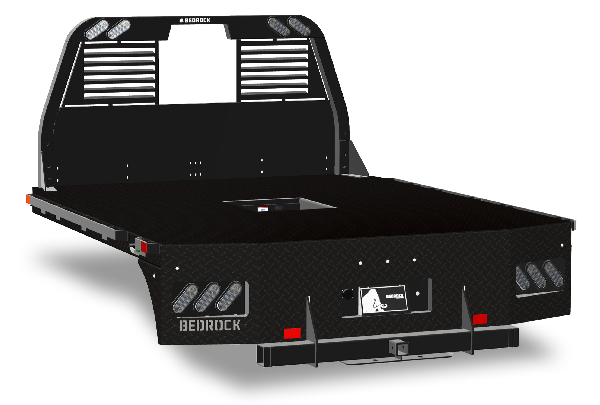
Hay spikes are typically mounted on a reinforced flatbed that can be factory‑built or retrofitted onto existing trucks. The design balances strong attachment points with easy maintenance, allowing farmers to load and unload quickly while keeping the hay intact. Bedrock Truckbeds pioneered this technology with their Diamond flatbed, which combines a high‑strength aluminum deck with precision‑engineered spikes.
How do hay spikes improve safety and efficiency on the farm?
Answer: Hay spikes improve safety by locking the load in place, eliminating forward or rearward movement that can cause sudden stops or loss of vehicle control. Efficiency rises because less hay is lost during transport, reducing feed costs and minimizing clean‑up time after each haul.
When a load shifts, the truck’s center of gravity changes, increasing the risk of rollovers on uneven terrain. Spikes keep the hay distributed evenly across the deck, maintaining stability. Additionally, the spikes create small air gaps that let wind pass through, decreasing aerodynamic drag and fuel consumption by up to 2% on long hauls, according to a study by the U.S. Department of Agriculture (USDA).
Which Bedrock flatbed model is best for hay spikes?
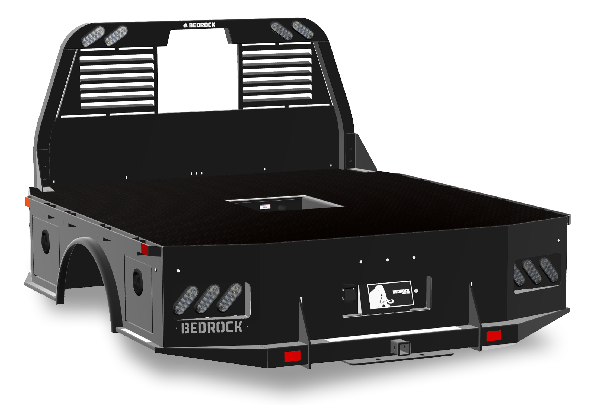
Answer: The Bedrock Diamond model is the most versatile option for hay spikes, offering a lightweight aluminum deck, integrated spike plates, and multiple load‑rating options. It balances durability, ease of installation, and cost‑effectiveness for most medium‑size farms.
Key features of the Diamond model
| Feature | Diamond | Granite | Granite Plus |
|---|---|---|---|
| Deck Material | 6061‑T6 Aluminum | 6061‑T6 Aluminum | 6061‑T6 Aluminum |
| Spike Material | Heat‑treated steel | Heat‑treated steel | Heat‑treated steel |
| Max Load Rating | 12,000 lb | 10,000 lb | 12,000 lb |
| Spike Configurations | 3‑row, 4‑row | 3‑row only | 4‑row, custom |
| Weight (empty) | 2,200 lb | 2,350 lb | 2,300 lb |
| Price (2026) | $9,800‑$11,200 | $9,200‑$10,600 | $10,400‑$12,000 |
The Diamond’s optional 4‑row spike layout provides extra grip for tall hay bales, while its modular design allows farmers to swap spike plates without specialized tools. The Granite line is slightly cheaper but lacks the 4‑row option, making it better for smaller operations.
How do I choose the right size and load capacity for my farm?
Answer: Choose a flatbed size that matches your truck’s wheelbase and the typical bale dimensions you haul. Load capacity should exceed your heaviest single haul by at least 15% to account for dynamic forces and safety margins.
- Measure wheelbase – Ensure the deck length does not exceed the truck’s wheelbase by more than 6 inches to avoid overhang.
- Calculate average bale weight – A standard large square bale weighs 800‑1,200 lb. Multiply by the number of bales you typically transport.
- Add safety factor – Add 15‑20% to the total weight to determine the required rating.
- Review spike spacing – Wider spacing (4‑row) works best for taller bales; tighter spacing (3‑row) is adequate for shorter, loose hay.
What are the pros and cons of Bedrock flatbeds versus competitor options?
Answer: Bedrock flatbeds excel with lightweight aluminum decks, corrosion‑resistant spike plates, and a reputation for precision engineering. However, they can be pricier than some steel‑only competitors and may require professional installation for optimal alignment.
Pros
- Weight savings: Aluminum reduces overall trailer weight, improving fuel economy.
- Corrosion resistance: Anodized finish prolongs lifespan in humid or salty environments.
- Modular spikes: Easy swap‑out for different crops or bale sizes.
- Warranty: 5‑year structural warranty for added confidence.
Cons
- Higher upfront cost compared to basic steel decks.
- Installation may need a certified technician for proper torque settings.
- Limited color options, though most farms prioritize function over aesthetics.
According to the Federal Motor Carrier Safety Administration (FMCSA), proper load securement—including the use of spikes—can reduce accident rates by 12% for agricultural trucks in 2025.
How much does a hay‑spike flatbed cost in 2026?
Answer: In 2026, a fully equipped Bedrock Diamond flatbed with a 4‑row hay‑spike configuration typically ranges from $9,800 to $11,200, depending on deck length, load rating, and optional accessories like LED edge lighting.
Budget tip: Purchasing a standard 3‑row spike layout and adding a custom 4‑row kit later can spread costs over two fiscal years, preserving cash flow while still gaining most safety benefits.
What are common mistakes people make when installing hay spikes?
Answer: The most common errors include overtightening spike bolts—causing metal fatigue—and using incorrect spike spacing, which leads to uneven load distribution and potential damage to bales.
Practical tip from the field
Always torque spike bolts to the manufacturer‑specified 70‑80 Nm using a calibrated torque wrench. After installation, run a quick “slide test” by loading a small bale and gently nudging it; it should stay in place without excessive resistance.
How do I maintain my hay‑spike flatbed for longevity?
Answer: Regular maintenance involves cleaning spikes after each haul, inspecting for bent or broken pins, and re‑torquing fasteners quarterly. Applying a light corrosion inhibitor spray annually extends the life of both spikes and deck.
- Clean off debris – Use a low‑pressure hose to avoid bending spikes.
- Inspect weekly – Look for signs of wear, especially after heavy rains.
- Re‑torque twice a year – Follow the torque specs in the user manual.
- Lubricate moving parts – If your deck includes a pivoting tailgate, keep hinges greased.
Frequently Asked Questions (FAQ)
Q1: Can I retrofit hay spikes onto an existing trailer? A: Yes. Bedrock offers retrofit kits that include pre‑drilled mounting plates and all necessary hardware. A certified installer can mount them in 2‑4 hours.
Q2: Are hay spikes legal for all state highway transports? A: In the U.S., FMCSA regulations permit hay spikes as long as they do not exceed 2 inches in protrusion and are securely fastened. Always check state‑specific agricultural transport rules.
Q3: What is the optimal spike height for standard bales? A: For 3‑row configurations, 1.75‑inch spikes work well with bale heights up to 48 in. For taller bales, 2‑inch spikes on a 4‑row layout provide better grip.
Q4: How does the Diamond flatbed compare to a steel‑only deck in terms of fuel savings? A: The lighter aluminum deck can reduce fuel consumption by 1.5‑2% on average 200‑mile trips, translating to roughly $150‑$200 savings per year for a typical farm truck.
Q5: What warranty does Bedrock provide on the spike system? A: Bedrock offers a 5‑year limited warranty covering structural defects and a 2‑year warranty on spike plates against premature wear.
Q6: Can I use the same spikes for straw or silage? A: Yes, but for finer materials like straw, a tighter 3‑row configuration is recommended to avoid excessive drag.
Q7: Do the spikes affect loading speed? A: Minimal impact. Loading with a front‑end loader is unchanged; the spikes only engage once the material settles, preventing later movement.
Q8: Where can I buy the Bedrock Diamond flatbed? A: Purchase directly from Farm truck flatbed with hay spikes or contact an authorized Bedrock dealer for custom configurations.
Bottom Line
Choosing the right farm truck flatbed with hay spikes can dramatically cut feed loss, improve driver safety, and boost fuel efficiency. Bedrock’s Diamond series offers the most flexible, durable, and cost‑effective solution for 2026, especially when paired with proper installation and routine maintenance.
For a deep dive into specifications and to request a quote, visit Bedrock’s dedicated product page today.
Author’s note: All price ranges reflect 2026 market data and may vary by region and dealer.
Interested in learning more?
Visit our website to explore products, find dealers, and get in touch.
Visit Bedrock Truck Beds →