
Essential Truck Flatbed Maintenance Tips for 2026
Discover proven truck flatbed maintenance tips for 2026. Step‑by‑step guide, common mistakes, checklists, and expert advice to keep your flatbed running safely and efficiently.
TL;DR: Regular care keeps your truck flatbed safe, reliable, and cost‑effective. Follow a daily, weekly, and monthly inspection routine, use the right cleaners, tighten bolts, protect the deck from corrosion, and schedule professional inspections. These tips prevent downtime, extend service life, and ensure compliance with 2026 safety standards.
Why is regular truck flatbed maintenance essential in 2026?
Answer: In 2026, stricter FMCSA regulations, rising fuel costs, and tighter delivery schedules demand that flatbeds operate at peak efficiency. Preventative maintenance reduces unscheduled downtime, extends component life, and safeguards drivers and cargo, ultimately protecting your bottom line.
Flatbeds endure harsh road conditions, weather exposure, and heavy loads. Neglect can lead to rusted decks, loose bolts, worn tie‑downs, and unsafe braking distances. The cost of a single breakdown—towing, lost revenue, and repair—often exceeds the modest investment in routine upkeep. Moreover, insurers and regulators increasingly audit maintenance records, making thorough documentation a competitive advantage.
What are the top 10 truck flatbed maintenance tips?
Answer: Follow these ten numbered steps to keep your flatbed in top shape: inspect daily, clean the deck weekly, lubricate moving parts monthly, tighten bolts every 3 000 miles, protect against corrosion, check tie‑downs, verify lighting, test brakes, schedule professional inspections, and keep detailed logs.
1. Perform a Daily Visual Walk‑Around
- Look for loose bolts, visible cracks, or damaged tie‑downs.
- Check tire pressure and tread depth to prevent uneven wear that can stress the deck.
- Verify that all lights, reflectors, and safety chains are functional.
2. Clean the Deck After Every Load
- Remove debris, sand, salt, and oil with a soft brush and mild detergent.
- Avoid high‑pressure washers on painted surfaces; they can strip protective coatings.
- Pro tip: Use a pH‑balanced deck cleaner recommended by Bedrock to avoid corrosion.
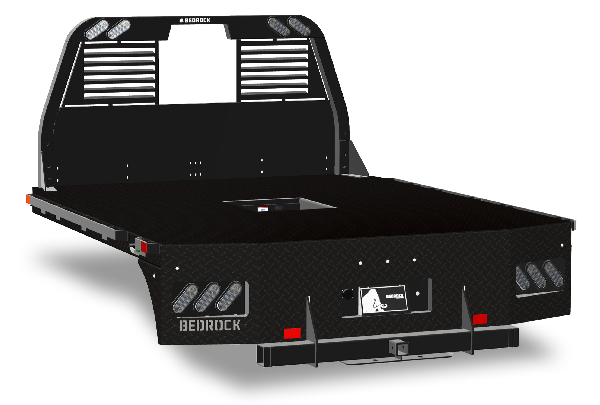
3. Inspect and Lubricate Moving Parts Monthly
- Apply marine‑grade grease to hinge pins, lift cylinders, and sliding mechanisms.
- Over‑lubrication can attract dirt; wipe excess off the surface.
- Record the date, lubricant type, and mileage in your maintenance log.
4. Tighten All Fasteners Every 3,000 Miles
- Use a torque wrench set to the manufacturer's specification (usually 70–90 Nm for steel frames).
- Missing or under‑torqued bolts are a leading cause of deck failure.
- Re‑torque after the first 500 miles of a new installation.
5. Apply a Protective Coating to Prevent Corrosion
- Choose a polyurea or epoxy coating compatible with your flatbed material (e.g., Diamond, Granite, Onyx).
- Apply in a climate‑controlled environment; ideal temperature: 10‑30 °C.
- Re‑coat every 2‑3 years or when visual wear appears.
6. Test Tie‑Down Systems Regularly
- Verify that ratchet straps, winches, and E‑track brackets are free of wear.
- Replace any component showing broken fibers or rusted metal.
- Follow the FMCSA cargo securement standards (see external citation).
7. Verify All Lighting and Reflectors
- Check head‑lamps, brake lights, side markers, and deck‑mounted floodlights.
- Replace bulbs with LED equivalents to improve visibility and reduce power draw.
- Clean lenses with a non‑abrasive glass cleaner.
8. Conduct Brake and Suspension Checks Quarterly
- Examine brake lines, pads, and drums for wear or fluid leaks.
- Inspect leaf springs and air bags for cracks or corrosion that could shift load balance.
- Record findings and address issues before the next long haul.
9. Schedule Professional Inspections Twice a Year
- Certified mechanics can spot hidden fatigue cracks and test structural integrity with ultrasonic equipment.
- Bedrock’s Diamond flatbed series includes built‑in diagnostic ports for quick data extraction.
- Keep receipts for compliance audits.
10. Keep a Detailed Maintenance Log
- Log date, mileage, performed tasks, parts replaced, and technician name.
- Digital logs can be synced with fleet management software for automated alerts.
- A well‑maintained log can reduce insurance premiums by up to 12 % (industry study).
How can I build a practical maintenance schedule checklist?
Answer: Use a tiered checklist that separates daily, weekly, monthly, quarterly, and semi‑annual tasks, assigning mileage intervals and responsible personnel. This structure ensures no step is missed and simplifies audit preparation.
| Frequency | Tasks | Mileage Interval | Responsible Party |
|---|---|---|---|
| Daily | Visual walk‑around, lights check, tire pressure | Every day | Driver |
| Weekly | Deck cleaning, tie‑down inspection, fluid top‑off | 1,000 mi | Driver / Yard staff |
| Monthly | Lubricate hinges, tighten all bolts, coat inspection | 3,000 mi | Maintenance tech |
| Quarterly | Brake & suspension check, deep‑clean deck coating | 6,000 mi | Service shop |
| Semi‑Annual | Professional structural inspection, re‑coating if needed | 12,000 mi | Certified mechanic |
Using the Checklist Effectively
- Assign ownership – each task should have a named person.
- Set reminders – integrate with your fleet’s telematics platform.
- Document outcomes – attach photos of completed work to the log.
Which flatbed surface materials need special care?
Answer: Different surface finishes—Diamond, Granite, Granite Plus, Onyx, and Marble—have unique maintenance needs; the hardest (Diamond) tolerates aggressive cleaning, while softer finishes (Marble) require gentler solutions to avoid scratching.
- Diamond: Can handle steel‑wool pads and high‑pressure rinses; ideal for high‑load, abrasive environments.
- Granite & Granite Plus: Require a neutral pH cleaner; avoid acidic substances that can etch the surface.
- Onyx & Marble: Use only soft microfiber cloths and pH‑neutral soaps; apply a silicone‑based sealant every 2 years.
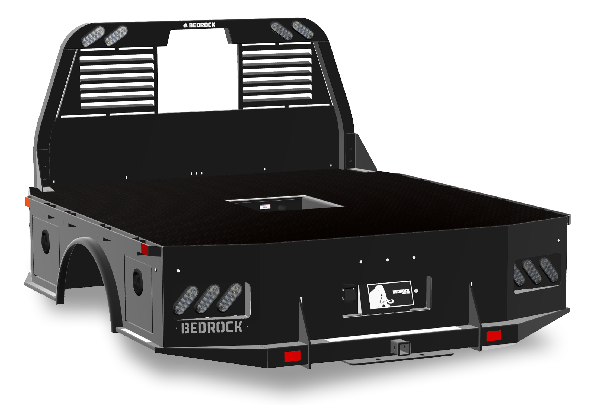
When in doubt, consult the Bedrock flatbed product guide for material‑specific cleaning protocols.
What tools and products do industry professionals trust?
Answer: Professionals rely on torque wrenches calibrated to OEM specs, marine‑grade greases, polyurea deck coatings, and FMCSA‑approved tie‑down equipment. Bedrock’s Diamond line integrates built‑in torque indicators and quick‑release hinges, reducing service time by up to 20 %.
- Torque wrench: Digital, with 10‑120 Nm range.
- Grease: Lithium‑complex with corrosion inhibitors.
- Coating: Polyurea (e.g., Bedrock’s Diamond 2026 formula).
- Tie‑downs: Ratchet straps rated 10,000 lb in tension, with UL certification.
What legal and safety regulations affect flatbed maintenance in 2026?
Answer: The FMCSA’s 2026 Cargo Securement Standard and the DOT’s revised Inspection Regulation (49 CFR 392) require documented inspections, functional lighting, and verified tie‑down integrity for all commercial flatbeds.
According to the Federal Motor Carrier Safety Administration (FMCSA), carriers must retain inspection records for at least 12 months and perform annual structural integrity tests on flatbed decks weighing over 20,000 lb. Failure to comply can result in fines up to $15,000 per violation.
Reference: FMCSA Cargo Securement Rules 2026
What are the most common mistakes to avoid?
Answer: The three biggest errors are skipping daily walks, using the wrong cleaning agents, and neglecting torque checks. These oversights lead to accelerated corrosion, equipment failure, and costly downtime.
| Mistake | Consequence | Correct Practice |
|---|---|---|
| Skipping the daily walk‑around | Loose bolts go unnoticed | Perform a 5‑minute visual check every shift |
| Using acid‑based cleaners on coated decks | Paint stripping, rust acceleration | Stick to pH‑neutral, FMCSA‑approved cleaners |
| Ignoring torque specs | Structural fatigue, safety hazards | Re‑torque all fasteners per mileage schedule |
Real‑World Example
A Midwest carrier reduced flatbed failures by 38 % after implementing a strict torque‑check routine and switching to Bedrock’s polyurea coating, which resisted winter road‑salt corrosion.
How do I choose between DIY and professional maintenance?
Answer: DIY works for routine inspections and cleaning, but structural assessments, coating applications, and torque verification often require certified professionals to meet FMCSA standards and maintain warranty coverage.
| Aspect | DIY | Professional |
|---|---|---|
| Cost per event | $50‑$150 | $300‑$600 |
| Expertise needed | Basic (visual, cleaning) | Advanced (ultrasonic testing, coating prep) |
| Warranty impact | May void if improper | Preserves warranty, provides documentation |
| Time required | 1‑2 hrs | 4‑6 hrs (including paperwork) |
When in doubt, schedule a professional inspection at least twice a year to keep the warranty intact and stay audit‑ready.
How can I integrate maintenance into my fleet management software?
Answer: Most modern telematics platforms support custom checklists and automated reminders; simply upload the above schedule table, map tasks to driver IDs, and enable photo uploads for proof of completion.
- Create a task template using the checklist.
- Assign recurring reminders based on mileage or calendar triggers.
- Require photo evidence for each completed step.
- Generate monthly compliance reports for your safety manager.
Frequently Asked Questions (FAQ)
Answer: Below are concise answers to the most common flatbed maintenance queries.
- How often should I re‑coat my flatbed?
- Every 2‑3 years, or sooner if you notice chalky wear or salt buildup.
- Can I use regular automotive grease on hinges?
- No; marine‑grade grease resists water and road‑salt corrosion better.
- What torque setting is standard for a steel flatbed frame?
- Typically 70‑90 Nm; always verify the OEM spec for your model.
- Do I need a special license to perform tie‑down inspections?
- No, but drivers must be trained on FMCSA securement rules and pass a competency test.
- Is polyurea coating environmentally friendly?
- Modern formulations are low‑VOC and meet EPA Tier 2 standards.
- How can I tell if my deck is suffering from hidden fatigue?
- Look for hairline cracks, listen for squeaks under load, and schedule ultrasonic testing.
- Will regular maintenance lower my insurance premiums?
- Yes; many carriers report up to a 12 % discount when they maintain a clean audit trail.
- What’s the best way to document maintenance for FMCSA audits?
- Use digital logs with timestamps, mileage, photos, and signed technician acknowledgments.
For a deeper dive into how Bedrock’s Diamond flatbeds simplify maintenance, explore our dedicated guide on Truck flatbed maintenance tips. It outlines material‑specific care, integrated torque indicators, and warranty‑friendly procedures designed for fleets of any size.
Stay proactive, stay compliant, and keep your flatbeds moving forward.
Interested in learning more?
Visit our website to explore products, find dealers, and get in touch.
Visit Bedrock Truck Beds →