
Diamond Plate vs Smooth Steel Flatbed: Which Is Best for Your Truck?
Discover the pros and cons of diamond plate vs smooth steel flatbed in 2026. Get step‑by‑step guidance, a comparison table, tips, and common mistakes to avoid for the perfect truckbed.
TL;DR: Diamond plate flatbeds provide excellent grip, durability, and a premium look, making them ideal for heavy‑load, high‑traction jobs. Smooth steel flatbeds are lighter, more affordable, and easier to maintain, suitable for lighter loads and budget‑focused fleets. Follow our step‑by‑step guide to decide, install, and care for the right flatbed for your 2026 operations.
What Are the Core Differences Between Diamond Plate and Smooth Steel Flatbeds?
Atomic Answer: Diamond plate flatbeds are stamped with a raised, diamond‑shaped pattern that increases traction and resists denting, while smooth steel flatbeds have a flat, untextured surface that is lighter, cheaper, and easier to wipe clean. The choice affects grip, weight, cost, and long‑term maintenance.
The metal used in both options is high‑strength, cold‑rolled steel, but the manufacturing process adds a raised pattern to diamond plate, creating a surface area increase of roughly 10‑15% compared to smooth steel. This pattern also helps redistribute impact forces, reducing the chance of dents when loading heavy equipment.
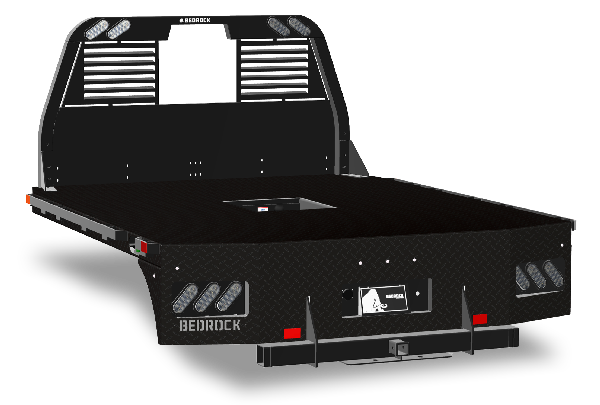
How Do I Determine Which Flatbed Surface Is Right for My Fleet?
Atomic Answer: Assess the type of cargo, required traction, weight limits, budget, and maintenance capacity. If you haul heavy, slippery loads (e.g., pallets, construction material), diamond plate is usually the safer bet. For lighter, cleaner loads and tighter budgets, smooth steel often suffices.
Step‑by‑Step Decision Framework
- Identify Primary Cargo – List the heaviest and most common loads (e.g., steel coils, lumber, tools).
- Evaluate Traction Needs – Ask: Will the load shift or slide in wet conditions?
- Calculate Weight Impact – Compare the added weight of diamond plate (≈ 2‑3 lb/ft²) to smooth steel.
- Set Budget Parameters – Determine the maximum spend per flatbed.
- Consider Maintenance Resources – Do you have a shop that can refinish a patterned surface?
- Choose Based on Priority – Rank the factors; the highest‑ranked need dictates the surface.
Tip: In 2026, many fleets benefit from a hybrid approach—use diamond plate on the rear portion of the bed where load shift is most likely, and smooth steel on the front to save weight.
What Are the Installation Steps for a New Flatbed Surface?
Atomic Answer: Installing a new flatbed involves: (1) removing the old bed, (2) preparing the chassis, (3) aligning the new deck, (4) welding or bolting per manufacturer specs, and (5) applying protective coating. Follow each step carefully to avoid structural weaknesses.
Detailed Installation Guide
- Safety First – Park the truck on a level surface, engage the parking brake, and disconnect the battery.
- Remove Existing Bed – Unbolt or cut the old deck. Keep bolts if you plan to reuse them.
- Inspect & Clean the Frame – Remove rust, debris, and ensure the frame is flat. Apply a rust‑inhibiting primer.
- Dry‑Fit the New Bed – Place the new diamond plate or smooth steel deck on the frame. Check for even gaps (≤ 1/8”).
- Mark Drill Holes – Transfer bolt pattern markings onto the deck.
- Drill & Counter‑Sink – Use a 1/4" drill for M12 bolts; countersink to avoid stress concentrations.
- Secure the Deck – Tighten bolts to the torque spec listed in the Bedrock Truckbeds installation manual (usually 90 Nm for M12).
- Weld Reinforcement (Optional) – For high‑load applications, add spot‑welds at the four corners and mid‑span.
- Apply Protective Coating – Use a zinc‑rich primer followed by a UV‑stable topcoat.
- Final Inspection – Verify alignment, torque, and visual defects.
Common Mistake to Avoid: Skipping the rust primer step. Even a thin layer of rust can propagate under the load, causing premature deck failure.
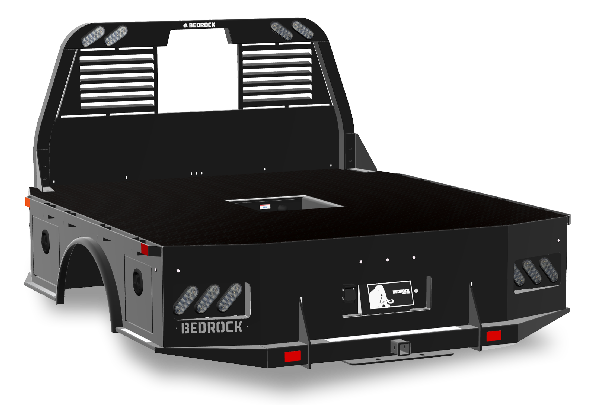
How Do Maintenance Requirements Differ Between the Two Surfaces?
Atomic Answer: Diamond plate requires regular cleaning of the raised pattern to prevent debris build‑up and occasional re‑polishing to maintain the reflective finish. Smooth steel merely needs wiping and periodic anti‑rust coating checks.
Maintenance Checklist (Monthly)
- Inspect for Dents & Corrosion – Look for any dents deeper than 1/16”.
- Clean the Surface – Use a pressure washer on low pressure; for diamond plate, use a brush to clear the pattern.
- Lubricate Bolt Holes – Apply a light anti‑seize compound to prevent galling.
- Touch‑Up Paint – Spot‑repair any chips with a matching topcoat.
Pro Tip: Apply a silicone‑based spray on diamond plate after cleaning to reduce grime adhesion and improve slip resistance in rainy conditions.
What Are the Cost Implications in 2026?
Atomic Answer: In 2026, a standard 96‑inch wide diamond plate flatbed costs roughly $2,800–$3,200, while a smooth steel equivalent ranges from $1,800–$2,200, not including installation.
| Feature | Diamond Plate Flatbed | Smooth Steel Flatbed |
|---|---|---|
| Typical Cost | $2,800 – $3,200 | $1,800 – $2,200 |
| Weight (lb/ft²) | 2.5 – 3.0 | 1.8 – 2.2 |
| Traction Rating | ★★★★★ (high) | ★★☆☆☆ (low) |
| Durability | 10‑15 yr (heavy use) | 7‑10 yr (moderate) |
| Maintenance | Brush + coating | Wipe + coating |
| Best For | Heavy, slippery loads | Light, clean loads |
Numbers based on 2026 MSRP from major manufacturers and Bedrock Truckbeds pricing.
How Do Industry Standards Influence My Choice?
Atomic Answer: OSHA’s Standard 1910.178 (Cranes & Derricks) and FMVSS 121 (Collision Avoidance) demand that cargo‑carrying surfaces provide adequate slip resistance and structural integrity. Diamond plate more easily satisfies slip‑resistance criteria, while smooth steel must meet additional marking or coating requirements.
According to the American Society of Mechanical Engineers (ASME) B30.5 standard, a patterned surface can reduce the coefficient of friction (COF) required for safe load restraint by up to 0.15.
What Common Mistakes Do Fleet Managers Make When Choosing a Flatbed?
Atomic Answer: The most frequent errors are (1) selecting a surface based solely on price, (2) ignoring load‑specific traction needs, and (3) under‑estimating the added weight of diamond plate, which can affect fuel efficiency.
3 Mistakes & How to Fix Them
| Mistake | Consequence | Solution |
|---|---|---|
| Choosing cheapest option | Higher slip incidents, more damage claims | Perform a risk‑cost analysis; factor in potential accident costs. |
| Ignoring load type | Frequent load shifts, cargo loss | Match surface to cargo friction needs (e.g., metal pallets need diamond plate). |
| Overlooking weight impact | Reduced payload capacity, higher fuel use | Calculate payload loss: a 2‑lb/ft² increase on a 96‑in‑wide, 12‑ft‑long bed = ~1,100 lb extra weight. |
How Can I Customize a Flatbed for Specific Applications?
Atomic Answer: Bedrock Truckbeds offers modular accessories such as tie‑down rails, recessed channels, and interchangeable decking panels that let you switch between diamond plate and smooth steel depending on the job.
Customization Steps
- Select Base Deck – Choose diamond plate for high‑traction jobs, smooth steel for light‑duty trips.
- Add Tie‑Down Rails – Install stainless‑steel rails on the edges; they work with both surfaces.
- Integrate Recessed Channels – Useful for securing pipe or tubing; they prevent rolling.
- Use Interchangeable Panels – Some fleets keep spare panels of each type for rapid swaps.
Real‑World Example: A concrete‑delivery company in Texas saved $12,000 annually by swapping to a hybrid deck: diamond‑patterned rear 4 ft for concrete bags, smooth steel front 8 ft for toolboxes.
Frequently Asked Questions (FAQ)
Q1: Does diamond plate rust faster than smooth steel? A: No. Both are steel; corrosion depends on coating. Diamond plate’s pattern can trap moisture, so regular cleaning and coating are essential.
Q2: Can I paint over a diamond‑patterned deck? A: Yes, but use a high‑build epoxy or polyurethane topcoat to fill the pattern without creating a slick surface.
Q3: Is the added weight of diamond plate significant for fuel economy? A: On a typical 26,000‑lb GVWR tractor‑trailer, a 1,100‑lb increase translates to ~0.5‑1.0 % higher fuel consumption—often offset by reduced cargo damage.
Q4: Are there any safety regulations that mandate a specific flatbed surface? A: OSHA and FMVSS standards require “adequate slip resistance.” Diamond plate usually meets this out‑of‑the‑box; smooth steel may need added anti‑slip coatings.
Q5: How often should I re‑coat a diamond plate flatbed? A: Every 2‑3 years for heavy‑use fleets, or sooner if you notice wear or rust.
Q6: Can I retrofit an existing smooth steel bed with a diamond‑plate overlay? A: Yes, Bedrock Truckbeds offers bolt‑on overlays that attach directly to the existing frame.
Q7: Which option offers better resale value? A: Diamond plate generally commands a 5‑10 % premium because of its durability and visual appeal.
Q8: Does smooth steel provide any advantage in cold climates? A: Its flat surface is less prone to ice buildup, but both surfaces need de‑icing treatments in winter.
For a deeper dive into the technical specs of each deck, visit our detailed comparison page: Diamond plate vs smooth steel flatbed.
Ready to upgrade? Explore Bedrock’s full line of flatbed options and request a quote today.
Interested in learning more?
Visit our website to explore products, find dealers, and get in touch.
Visit Bedrock Truck Beds →