
Diamond Plate vs Smooth Steel Flatbed: Complete 2026 Guide
Discover the pros and cons of diamond plate vs smooth steel flatbed in 2026. Step‑by‑step guide, tips, costs, and FAQs to help you choose the perfect truckbed.
TL;DR: Diamond plate flatbeds provide excellent traction, higher wear resistance, and a premium appearance, but cost more and add weight. Smooth steel flatbeds are lighter, more affordable, and simpler to paint, yet they slip when wet. Pick the material that matches your payload, budget, and operating environment, then follow our step‑by‑step installation and maintenance plan.
What is the difference between diamond plate and smooth steel flatbeds?
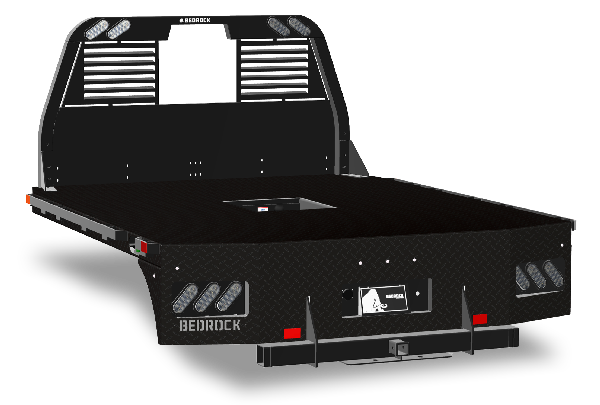
Atomic answer: Diamond plate (also called tread plate) is a pressed‑steel sheet with a raised, pattern‑like surface that improves grip and resists dents. Smooth steel flatbeds have a flat, untextured surface that is lighter and cheaper but offers less traction and can rust faster if not coated. Both meet DOT standards, yet they serve different use‑cases.
The distinction goes beyond appearance. Diamond plate’s raised pattern creates friction that reduces cargo shift on windy roads or steep inclines. Its thickness typically ranges from 12 to 22 gauge (≈3‑5 mm). Smooth steel, usually 12 to 18 gauge, is easier to weld and paint, making it the go‑to for owners who prioritize weight savings and lower upfront cost.
How do I choose the right flatbed material for my truck?
Atomic answer: Start by evaluating cargo type, climate, budget, and weight limits. If you haul heavy, slippery loads or operate in wet climates, diamond plate is worth the extra cost. For lighter loads, dry conditions, and a focus on fuel efficiency, smooth steel is usually sufficient.
Decision checklist
- Cargo weight & type – Heavy machinery, pallets, or livestock benefit from diamond plate’s grip.
- Operating climate – Rain, snow, or salty roads increase slip risk; diamond plate mitigates it.
- Budget – Diamond plate adds 30‑45 % to material cost.
- Truck payload capacity – Extra weight may reduce payload allowance.
- Maintenance preferences – Smooth steel needs regular painting; diamond plate can often go bare‑metal with proper coating.
Step‑by‑step guide to selecting and installing the perfect flatbed
Atomic answer: Follow these eight steps: define needs, compare costs, measure the deck, choose material, order from a reputable fabricator like Bedrock Truckbeds, prep the chassis, install with proper torque, and finish with protective coating and regular inspection.
- Define your primary use case – Write down the most common loads (e.g., plywood, construction equipment). Note any regulatory requirements such as OSHA’s slip‑resistance standards. [[1]]
- Measure the existing deck – Record length, width, and any over‑hangs. Use a steel tape and note the wheel‑base to ensure the new bed fits without interfering with suspension.
- Calculate weight impact – Multiply the material thickness by the surface area to estimate added weight. For example, 16‑gauge diamond plate over a 10 × 20 ft bed adds roughly 400 lb, while smooth 12‑gauge adds about 250 lb.
- Compare cost per square foot – In 2026, diamond plate averages $12‑$18/ft², while smooth steel runs $7‑$10/ft². Include welding and finish fees.
- Select a reputable manufacturer – Bedrock Truckbeds offers both options with factory‑welded flanges and optional powder‑coat finishes. See their detailed comparison at Diamond plate vs smooth steel flatbed.
- Prepare the chassis – Remove the old bed, clean rust, and check for frame cracks. Apply a rust‑inhibiting primer to the mounting rails.
- Install the new bed – Use grade‑8 bolts, torque to 120 Nm as per OEM specs, and stagger bolts to distribute load evenly.
- Finish and maintain – Apply a high‑build epoxy coating on smooth steel or a clear sealant on diamond plate. Schedule quarterly inspections, tighten loose bolts, and touch‑up any chips.
Tips for a flawless install
- Tip 1: Pre‑drill all bolt holes to avoid splitting the steel.
- Tip 2: Use a magnetic jig to hold the bed while tightening the first set of bolts.
- Tip 3: When welding, use a low‑hydrogen, 4‑point welding process to prevent weld cracking.
Common mistakes to avoid
| Mistake | Why it hurts | How to fix |
|---|---|---|
| Skipping rust‑proof primer on the frame | Accelerates corrosion, reducing lifespan | Apply a zinc‑rich primer before mounting the bed |
| Choosing a thickness that exceeds payload | Reduces cargo capacity, may cause legal violations | Verify truck GVWR and deduct bed weight before ordering |
| Ignoring slip‑resistance standards | Increases accident risk; non‑compliance with OSHA | Test surface with a wet‑foot treadmill or refer to OSHA slip‑resistance guidelines |
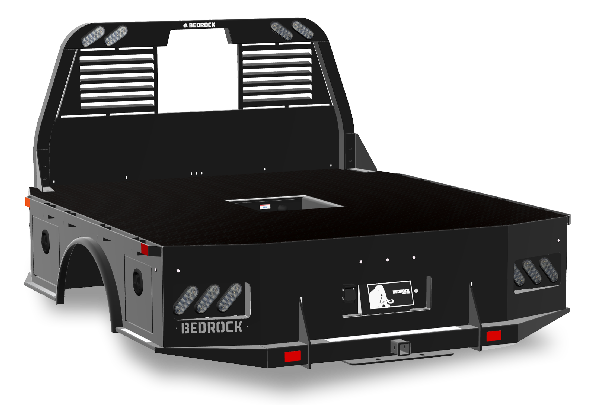
Diamond plate vs smooth steel flatbed: side‑by‑side comparison
Atomic answer: The table below summarizes key metrics—cost, weight, durability, slip resistance, and maintenance—for quick decision‑making.
| Feature | Diamond Plate | Smooth Steel |
|---|---|---|
| Typical Cost (2026) | $12‑$18 per ft² | $7‑$10 per ft² |
| Added Weight (10 × 20 ft) | ~400 lb (16 ga) | ~250 lb (12 ga) |
| Slip Resistance | ★★★★★ (R‑value 0.75) | ★★☆☆☆ (R‑value 0.30) |
| Durability | High – dent‑resistant, lasts 15‑20 yr | Moderate – prone to denting, 10‑12 yr |
| Maintenance | Low – optional clear coat | High – requires periodic repainting |
| Best For | Wet climates, heavy loads, high‑traction needs | Light loads, budget‑focused, easy to paint |
Real‑world cost example (2026)
A midsize 5,000 lb GVWR pickup retrofitted with a 10 × 20 ft diamond‑plate bed costs about $4,500 (material + labor). The same size smooth steel bed averages $3,200. Factoring in fuel‑efficiency loss from added weight (≈0.8 % per 100 lb), owners may see $250‑$400 extra annual fuel cost with diamond plate.
Frequently asked questions (FAQ)
Atomic answers are provided first for each question.
1. Does diamond plate need to be painted?
Answer: No, diamond plate can be left raw, but a clear sealant extends life by protecting against rust and road salt.
2. Can I install a flatbed myself, or do I need a professional?
Answer: DIY is possible for experienced welders; however, most truck owners benefit from a professional shop to guarantee proper torque and weld quality.
3. How does a flatbed affect my truck’s warranty?
Answer: If the installation follows OEM guidelines and uses approved parts, most manufacturers will not void the warranty. Check the warranty terms before modifying.
4. What is the R‑value and why does it matter?
Answer: R‑value measures slip resistance; higher numbers mean better traction. OSHA recommends a minimum of 0.5 for vehicle loading surfaces.
5. Are there weight‑saving alternatives to steel?
Answer: Aluminum flatbeds are lighter but cost more and can dent easier. For most payloads, steel remains the most cost‑effective choice.
6. How often should I inspect my flatbed?
Answer: Perform a visual inspection every 3,000 mi or quarterly, focusing on bolt torque, coating condition, and weld integrity.
7. Can I switch from smooth steel to diamond plate later?
Answer: Yes, but you’ll need to remove the existing bed, address any corrosion on the frame, and possibly reinforce mounting points due to the added weight.
8. Does a diamond‑plate bed improve resale value?
Answer: It can add 5‑10 % to resale value in markets where durability and traction are prized, especially for work trucks.
Ready to upgrade? Explore Bedrock Truckbeds’ full range of diamond‑plate and smooth‑steel options at their dedicated page: Diamond plate vs smooth steel flatbed. Their engineers can help you pick the exact thickness, finish, and mounting hardware for your specific vehicle.
All dimensions and cost figures are based on 2026 market data and may vary by region and supplier.
Interested in learning more?
Visit our website to explore products, find dealers, and get in touch.
Visit Bedrock Truck Beds →