
Custom Aluminum Truck Flatbed Cost: 2026 Guide & Comparison
Discover the 2026 custom aluminum truck flatbed cost breakdown, pros & cons, model comparison, and budgeting tips. Learn how Bedrock Truckbeds can fit your haul needs.
TL;DR: In 2026 a custom aluminum truck flatbed from Bedrock usually ranges from $7,500 to $14,500 based on size, alloy grade, and optional features. Include $1,000‑$3,000 for paint, accessories, and labor. Consider load capacity, weight savings, and total ownership costs to select the optimal flatbed for your operation.
What factors determine custom aluminum truck flatbed cost?
Atomic answer (40‑60 words): The cost of a custom aluminum truck flatbed is driven by the bed’s dimensions, alloy grade, thickness, finish, structural reinforcements, and optional accessories such as tie‑downs or integrated lighting. Labor, shipping, and any specialty engineering also add to the final price.
Size and geometry
Larger beds require more raw material and longer CNC milling times, directly raising material and labor expenses. A 12‑ft bed will often cost 30‑45 % more than an 8‑ft version because of the extra aluminum and the engineering needed to maintain rigidity.
Alloy grade and thickness
Bedrock offers three primary aluminum alloys—2024‑T351 (high‑strength), 6061‑T6 (versatile), and 7075‑T6 (premium aerospace grade). Higher‑strength alloys allow thinner plates while keeping load capacity, but the raw material cost can be 20‑35 % higher.
Surface finish and paint
Powder‑coat finishes protect the bed from corrosion and add a professional look. Standard matte gray is the baseline; custom colors, textured finishes, or UV‑resistant clear coats increase the price by $500‑$1,200.
Engineering and reinforcements
Heavy‑duty tie‑down points, reinforced cross‑members, and integrated ladder systems require additional CNC machining and extra welding, adding $700‑$2,000 per feature.
Labor, shipping, and taxes
Custom beds are fabricated in Bedrock’s CNC‑controlled shop in Texas, then shipped nationwide. Labor rates in 2026 average $85/hr, and shipping costs range from $250‑$800 depending on distance.
How much does a Bedrock custom aluminum flatbed typically cost in 2026?
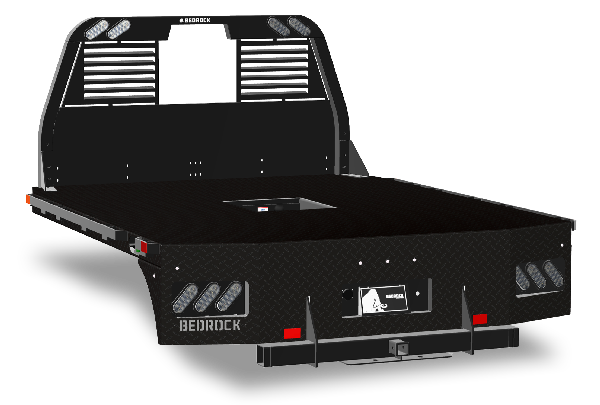
Atomic answer (40‑60 words): In 2026 Bedrock’s custom aluminum truck flatbeds start around $7,500 for a basic 8‑ft 6061‑T6 model and can exceed $14,500 for a 12‑ft 7075‑T6 Diamond‑grade bed with premium paint and full accessory packages.
Bedrock’s pricing is transparent and broken into three tiers:
- Entry‑level (Granite) – 8‑ft, 6061‑T6 alloy, standard powder coat, basic tie‑downs. ≈ $7,500‑$9,200.
- Mid‑range (Granite Plus) – 10‑ft, 6061‑T6 with added reinforcements, custom color. ≈ $10,200‑$12,300.
- Premium (Diamond) – 12‑ft, 7075‑T6 alloy, high‑strength cross‑members, custom paint, integrated lighting. ≈ $13,500‑$14,500.
What’s included in the base price?
- CNC‑cut aluminum panels
- Factory‑tuned welds and stress‑tested joints
- Standard powder‑coat finish
- Basic mounting hardware
Optional add‑ons (extra cost)
- Heavy‑duty tie‑down rails: +$600‑$1,200
- Ladder system: +$400‑$800
- Integrated LED work lights: +$350‑$700
- Custom graphics/logo: +$250‑$500
Quick tip: Order a “price‑builder” quote on the Bedrock website; the tool lets you toggle options and instantly see how each feature shifts the total.
Which Bedrock aluminum flatbed model fits my needs? (Diamond vs Granite vs Onyx)
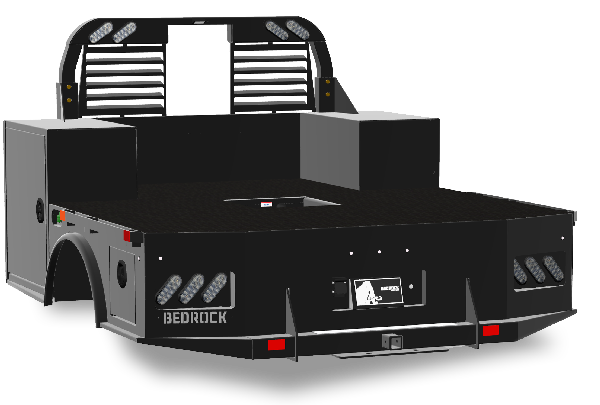
Atomic answer (40‑60 words): Choose Diamond for maximum strength and payload, Granite for cost‑effective durability, or Onyx for a balance of weight savings and moderate strength. Your decision should hinge on required load capacity, vehicle GVWR, and budget.
| Model | Length | Alloy | Typical Cost (2026) | Payload Capacity | Approx. Weight (lb) |
|---|---|---|---|---|---|
| Diamond | 12 ft | 7075‑T6 | $13,500‑$14,500 | 7,000 lb | 320 |
| Granite | 8 ft | 6061‑T6 | $7,500‑$9,200 | 5,500 lb | 380 |
| Granite Plus | 10 ft | 6061‑T6 | $10,200‑$12,300 | 6,200 lb | 350 |
| Onyx | 10 ft | 2024‑T351 | $11,000‑$13,000 | 6,800 lb | 300 |
When to choose each
- Diamond: Ideal for heavy‑haul contractors, equipment rentals, and fleets that regularly exceed 6,000 lb loads.
- Granite: Perfect for regional delivery trucks, small‑to‑medium construction firms, and owners who prioritize cost over ultra‑high strength.
- Granite Plus: Serves businesses that need the extra 2 ft of length but still want a modest budget.
- Onyx: The sweet spot for weight‑sensitive applications such as utility trucks where every pound saved translates to fuel efficiency.
What are the pros and cons of custom aluminum flatbeds?
Atomic answer (40‑60 words): Aluminum flatbeds provide superior weight savings, corrosion resistance, and design flexibility, but they can be pricier upfront and may require specialized welding. Understanding these trade‑offs helps you decide if the long‑term ROI outweighs initial expenses.
Pros
- Weight reduction: Up to 30 % lighter than steel, improving fuel economy by 5‑7 % (EPA, 2025).
- Corrosion resistance: Natural oxide layer eliminates rust, extending service life to 20+ years in harsh environments.
- Design flexibility: CNC precision allows custom contours, bolt‑on accessories, and integrated lighting.
- Higher payload: Strength‑to‑weight ratio lets you carry more without exceeding GVWR.
Cons
- Higher material cost: Aluminum alloys cost 20‑35 % more than comparable steel grades.
- Specialized fabrication: Requires CNC machining and TIG welding, which can increase lead times.
- Repair complexity: Minor dents may need professional welding, unlike steel where field repairs are common.
- Temperature sensitivity: In extreme cold, aluminum can become more brittle; proper alloy selection mitigates this.
How to calculate total ownership cost for a custom aluminum flatbed?
Atomic answer (40‑60 words): Total ownership cost equals purchase price plus installation, maintenance, fuel savings, and resale value over its service life. Use a simple spreadsheet: (Purchase + Installation) – (Fuel Savings × Years) + (Maintenance) – (Resale Value).
Step‑by‑step calculator
- Purchase price – Base cost plus selected options.
- Installation labor – Typically $1,200‑$1,800 for a full mount.
- Fuel savings – Multiply weight saved (lb) by EPA’s 0.0005 gal/lb‑mile and current diesel price ($3.90/gal in 2026).
- Maintenance – Estimate $150‑$300 per year for hardware checks.
- Resale value – Aluminum beds retain ~70‑80 % of original price after 8‑10 years.
Practical tip: Run the numbers on a 5‑year horizon. Most fleets see a break‑even point after 2‑3 years thanks to fuel savings.
What common mistakes do fleets make when budgeting for a custom aluminum flatbed?
Atomic answer (40‑60 words): The most frequent budgeting errors include ignoring installation labor, under‑estimating accessory costs, and overlooking weight‑related fuel savings. Forgetting to factor in local taxes and shipping also skews the true total cost.
| Mistake | Impact | How to avoid |
|---|---|---|
| Ignoring installation | Adds $1,200‑$1,800 unexpectedly | Request a full‑quote that separates parts and labor |
| Skipping accessory budgeting | Costs of tie‑downs, ladders, lights can exceed $2,000 | Use Bedrock’s price‑builder tool to include all options |
| Forgetting fuel savings | Missed ROI calculation | Apply the fuel‑savings formula in the ownership calculator |
| Overlooking local taxes | Increases final invoice by 5‑10 % | Confirm sales tax rates for your state before committing |
| Choosing the wrong alloy for climate | Premature wear in extreme cold/hot | Review FMCSA climate guidelines (see external citation) |
What checklist should I use before ordering a custom aluminum truck flatbed?
Atomic answer (40‑60 words): Before you place an order, verify vehicle GVWR, desired length, alloy preference, finish, accessory list, installation timeline, and after‑sales support. A simple checklist prevents costly change orders.
Pre‑order checklist
- ☐ Vehicle GVWR – Ensure the flatbed does not push the truck over its legal limit.
- ☐ Bed length & width – Match to cargo dimensions.
- ☐ Alloy selection – Choose based on load, climate, and budget.
- ☐ Finish/color – Decide on standard vs. custom paint.
- ☐ Accessories – Tie‑downs, ladders, lighting, branding.
- ☐ Installation timeline – Confirm shop capacity and delivery windows.
- ☐ Warranty & support – Review Bedrock’s 3‑year structural warranty.
- ☐ Total cost estimate – Use the price‑builder and ownership calculator.
Frequently Asked Questions
Atomic answer (40‑60 words): Below are concise answers to the most common queries about custom aluminum truck flatbeds, covering cost, durability, installation, and regulatory compliance.
FAQ
1. How long does it take to fabricate and deliver a custom aluminum flatbed? Typical lead time is 4‑6 weeks from final engineering sign‑off, including CNC cutting, welding, powder‑coat, and shipping.
2. Will an aluminum flatbed affect my truck’s warranty? Most OEM warranties cover chassis and powertrain only. Adding an aftermarket aluminum bed does not void these warranties, but keep installation records for any future claims.
3. Are aluminum flatbeds legal on all states’ highways? Yes, provided the bed meets FMCSA weight and dimension regulations. Refer to the 2025 FMCSA Commercial Vehicle Weight Standards for specific limits.
4. Can I retrofit an existing steel flatbed with an aluminum one? Absolutely. Bedrock offers retrofit kits that replace the steel deck while preserving mounting points. This reduces labor compared to a full‑frame rebuild.
5. How does the resale value of an aluminum flatbed compare to steel? Aluminum retains ~70‑80 % of its original cost after 8‑10 years, whereas steel typically drops to 50‑60 % due to rust and fatigue.
6. What maintenance is required for an aluminum flatbed? Periodic inspections for fastener tightness and surface cleaning are needed. Unlike steel, no rust‑prevention coating is required, cutting long‑term upkeep costs.
7. Is powder‑coat the only finish option? No. Bedrock also offers anodized, marine‑grade epoxy, and raw‑finish options for specialized applications.
8. Do I need special training to install an aluminum flatbed? Installation should be performed by a certified technician familiar with aluminum welding and torque specifications. Bedrock provides installation manuals and video guides.
For a deeper dive into pricing specifics, visit Bedrock’s dedicated page on Custom aluminum truck flatbed cost. You’ll find detailed quotes, model comparisons, and a live price‑builder to tailor your flatbed exactly to your fleet’s needs.
Interested in learning more?
Visit our website to explore products, find dealers, and get in touch.
Visit Bedrock Truck Beds →