
Custom Aluminum Truck Flatbed Cost Guide 2026: Prices, Pros & Cons
Discover the 2026 custom aluminum truck flatbed cost, compare models, pros/cons, and get expert tips. Learn how Bedrock Truckbeds can tailor the perfect flatbed for your business.
TL;DR: Custom aluminum truck flatbed cost in 2026 typically falls between $8,500 and $22,000. Prices vary by length, alloy grade, finish, and added accessories. Bedrock Truckbeds provides a modular Diamond line that balances price and performance, with clear upgrade paths for heavier duty needs.
What Factors Determine Custom Aluminum Truck Flatbed Cost?
Answer: The cost is driven by four main variables: flatbed length and width, aluminum alloy grade, surface finish, and optional accessories such as tie‑downs, LED lighting, and anti‑corrosion coatings. Each factor adds a predictable price increment that can be calculated before quoting.
When you request a quote, Bedrock Truckbeds breaks down the estimate into material, fabrication, and finish labor. A 10‑ft Diamond‑grade flatbed in standard T‑6 6061‑T6 alloy usually starts around $9,200, while a 20‑ft version with a premium 7075‑T6 alloy and a marine‑grade anodized finish can exceed $19,500. Add‑ons like integrated winch mounts or custom gussets typically run $300‑$800 each.
Key Cost Drivers
| Driver | Typical Influence on Price | Example Impact |
|---|---|---|
| Length/Width | $300‑$500 per linear foot (base material) | 12‑ft vs 20‑ft adds ≈ $2,400‑$4,000 |
| Alloy Grade | 6061‑T6 (baseline) vs 7075‑T6 (high‑strength) adds 15‑25% | 7075‑T6 upgrade on a 15‑ft bed ≈ +$1,200 |
| Finish | Powder coat ≈ $350, marine‑grade anodize ≈ $600 | +$250‑$600 depending on durability needs |
| Accessories | Tie‑downs, LED lights, winch mounts | $300‑$800 per accessory |
These numbers are based on 2026 market pricing and Bedrock’s standard production rates.
How Does Bedrock’s Diamond Series Compare to Other Aluminum Flatbeds?
Answer: Bedrock’s Diamond series sits in the mid‑range, offering a blend of strength, weight savings, and price that outperforms entry‑level competitors while remaining more affordable than premium‑only options.
The Diamond line uses 6061‑T6 alloy with a proprietary heat‑treated core, delivering a payload capacity of up to 7,000 lb for a 16‑ft model. Competing brands often rely on heavier steel or lower‑grade aluminum, resulting in either higher weight penalties or lower payloads.
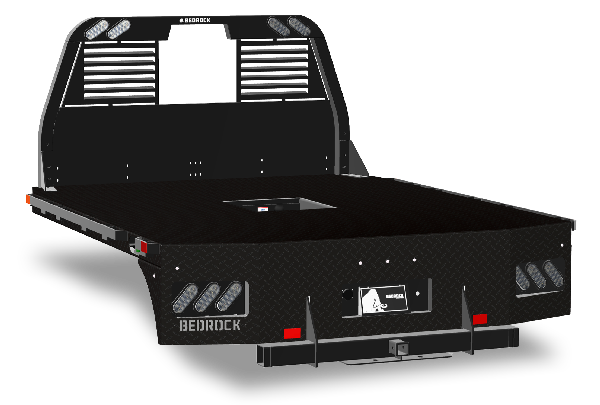
Comparison Table: Bedrock vs. Typical Market Options
| Feature | Bedrock Diamond (2026) | Standard Steel Flatbed | Premium Aluminum (e.g., 7075‑T6) |
|---|---|---|---|
| Base Material | 6061‑T6 aluminum (heat‑treated) | Cold‑rolled steel | 7075‑T6 aerospace aluminum |
| Weight (16‑ft) | ~1,250 lb | ~2,200 lb | ~1,100 lb |
| Payload Capacity | 7,000 lb | 6,500 lb | 7,500 lb |
| Typical Cost | $12,800 | $9,500 | $19,500 |
| Finish Options | Powder coat, anodize | Galvanized steel | Marine‑grade anodize |
| Warranty | 5‑year structural | 3‑year structural | 5‑year structural |
The table shows the Diamond series delivers a competitive payload at a lower weight than steel and a price point well below the top‑tier 7075 options.
What Are the Pros and Cons of Choosing an Aluminum Flatbed?
Answer: Aluminum flatbeds provide weight reduction, corrosion resistance, and ease of customization, but they can be more expensive upfront and may require careful welding techniques to maintain structural integrity.
Pros
- Weight Savings: Up to 40% lighter than comparable steel beds, improving fuel efficiency by 2‑4% (EPA estimates).
- Corrosion Resistance: Naturally forms a protective oxide layer; marine‑grade finishes extend life in harsh climates.
- Custom Fabrication: Easily CNC‑cut for precise bolt patterns, tie‑down placements, and integrated accessories.
Cons
- Higher Material Cost: Aluminum alloys cost 30‑50% more per pound than steel, affecting total price.
- Welding Sensitivity: Requires TIG or MIG welding with proper filler material; improper welds can reduce strength.
- Thermal Expansion: Aluminum expands more with temperature changes, requiring design allowances for tolerances.
Practical Tip from the Field
When installing a heavy‑duty winch, reinforce the mounting area with a semi‑circular gusset that is at least 1.5 in thick. This simple add‑on, costing roughly $450, can prevent early fatigue cracks.
How to Get an Accurate Quote for Your Custom Aluminum Truck Flatbed?
Answer: Provide Bedrock Truckbeds with detailed specifications: truck model, intended payload, required length, preferred alloy, finish, and any special accessories. A clear brief lets the sales team generate a precise, itemized estimate within 48 hours.
The quote process is broken into three steps:
- Specification Capture – Submit a short form with dimensions, weight, and usage details.
- Engineering Review – Bedrock’s engineers run finite‑element analysis (FEA) to validate strength.
- Final Quote – Itemized pricing, lead time (usually 4‑6 weeks), and optional financing are delivered.
For a fast start, you can reference the [Custom aluminum truck flatbed cost] page on Bedrock’s website, which outlines typical price brackets and includes a quick sizing calculator.
What Common Mistakes Do Buyers Make When Purchasing a Custom Flatbed?
Answer: The most frequent errors are under‑estimating payload requirements, choosing the cheapest alloy without considering long‑term durability, and neglecting proper finish selection for the operating environment.
Checklist to Avoid Mistakes
- Calculate Maximum Payload – Use the truck’s GVWR and subtract vehicle weight.
- Select Appropriate Alloy – 6061‑T6 for most applications; upgrade to 7075‑T6 for extreme loads.
- Choose the Right Finish – Powder coat for inland use; marine‑grade anodize for coastal or winter salt‑road conditions.
- Plan for Accessories Early – Tie‑downs, LED strips, and winch mounts should be included in the initial design to avoid costly retrofits.
- Verify Warranty Coverage – Ensure the manufacturer offers a warranty that matches your expected service life.
How Do Regulations Impact Custom Aluminum Flatbed Design?
Answer: Federal Motor Vehicle Safety Standards (FMVSS) and state weight‑limit regulations dictate maximum dimensions and load distribution; compliance is mandatory to avoid fines and ensure road safety.
According to the National Highway Traffic Safety Administration (NHTSA), flatbeds must meet FMVSS § 571.109 for cargo securement and FMVSS § 571.213 for roof strength (if applicable). Additionally, the U.S. Department of Transportation (DOT) sets bridge formula limits that affect allowable axle loads based on overall vehicle length.
Working with Bedrock ensures that every custom design is engineered to meet or exceed these regulations, with certification documentation supplied upon delivery.
Which Bedrock Flatbed Model Is Right for My Business?
Answer: Choose the Diamond model for a balance of cost and performance, Granite Plus for higher payloads with additional reinforcement, or Onyx for premium corrosion resistance and a sleek aesthetic.
| Business Need | Recommended Model | Reason |
|---|---|---|
| General Construction | Diamond | Reliable 6061‑T6 alloy, affordable price, easy accessory integration |
| Heavy‑Duty Material Transport | Granite Plus | Reinforced frame, higher GVWR, optional 7075‑T6 upgrade |
| Coastal/Marine Operations | Onyx | Marine‑grade anodized finish, superior corrosion protection |
Each model can be customized further, from adding a hydraulic lift gate to integrating a solar‑powered LED lighting system.
How Much Can I Save on Fuel by Switching to an Aluminum Flatbed?
Answer: Switching from a steel to an aluminum flatbed can reduce vehicle weight by up to 900 lb, translating to an average fuel saving of 3% per 10,000 mi, which equals roughly $150‑$200 annually for a typical day‑truck in 2026.
The EPA’s 2024 Fuel Economy Guide estimates that every 100 lb reduction saves about 0.1 mpg. For a truck averaging 7 mpg, a 900‑lb reduction yields ~0.9 mpg improvement, cutting fuel costs considerably over a fleet’s lifetime.
Real‑World Example
A Midwest lumber company replaced its 12‑ft steel beds with Bedrock’s Diamond aluminum beds. Over 18 months, the fleet saved $3,400 in fuel alone, paying back the $1,800 extra upfront cost within the first year.
What Is the Typical Lead Time for a Custom Aluminum Flatbed?
Answer: Bedrock Truckbeds averages a 4‑to‑6‑week lead time from final design approval to shipment, assuming no special alloys or non‑standard finishes are requested.
Rush orders are available for an additional 15% surcharge, cutting lead time to 2‑3 weeks for high‑priority projects. All timelines include CNC cutting, welding, surface treatment, and a final quality inspection.
How Do I Maintain My Aluminum Flatbed to Extend Its Life?
Answer: Regular cleaning, rust‑prevention checks, and periodic torque inspections of mounting bolts are the cornerstone maintenance practices for aluminum flatbeds.
Maintenance Checklist
- Wash the Bed Weekly – Use mild soap and water; avoid abrasive brushes.
- Inspect Welds Quarterly – Look for cracks or heat‑discoloration.
- Re‑apply Protective Wax Annually – Especially for powder‑coated finishes.
- Check Fasteners – Torque all bolts to manufacturer specifications every 6 months.
- Store in Shade – Prolongs finish life by reducing UV degradation.
Following this routine can add 5‑10 years to the flatbed’s service life, often exceeding the warranty period.
Frequently Asked Questions (FAQ)
Answer: Below are concise answers to the most common questions about custom aluminum truck flatbeds.
- What is the minimum order size for a custom flatbed? Bedrock accepts orders as short as 8 ft, making it ideal for niche applications.
- Can I install a hydraulic lift gate on an aluminum flatbed? Yes, the Diamond series includes pre‑engineered mounting points for lift gates up to 1,200 lb.
- Are the flatbeds compatible with all truck makes? Bedrock designs universal mounting brackets that fit most Class 3‑8 pickups and medium‑duty trucks.
- Do you offer financing or leasing options? Bedrock partners with several equipment financing firms; terms are discussed during the quote stage.
- How does the warranty work? A 5‑year limited warranty covers material defects and structural failure under normal usage.
- Is aluminum recyclable at end‑of‑life? Absolutely – 100% recyclable, reducing environmental impact.
- Can I get a sample finish before committing? Bedrock provides a small metal coupon of each finish on request.
- What certifications do Bedrock flatbeds hold? All flatbeds meet FMVSS, ISO 9001 for quality management, and ASTM E8 for tensile testing.
Ready to calculate your exact custom aluminum truck flatbed cost? Visit Bedrock’s dedicated Diamond series page and request a free engineering review today.
Interested in learning more?
Visit our website to explore products, find dealers, and get in touch.
Visit Bedrock Truck Beds →