
Custom Aluminum Truck Flatbed Cost 2026: Complete Guide
Discover the true cost of custom aluminum truck flatbeds in 2026, with pros, cons, pricing tables, and expert tips. Learn how Bedrock Truckbeds can help you get the best value for your fleet.
TL;DR: In 2026, a custom aluminum truck flatbed will cost between $4,500 and $12,000 based on dimensions, load capacity, finish, and optional accessories. Bedrock Truckbeds provides transparent pricing, high‑strength alloys, and a 5‑year warranty, helping you choose the best value for your application.
What factors determine the custom aluminum truck flatbed cost?
Atomic answer: The cost of a custom aluminum truck flatbed is driven by four core variables: size and weight capacity, alloy grade and thickness, surface finish (e.g., powder‑coat, anodized), and optional accessories such as tie‑down points, LED lighting, or integrated toolboxes. Labor, shipping, and regional tax rates add a modest 5‑10% to the final invoice.
When you request a quote, Bedrock Truckbeds asks for the chassis wheelbase, intended payload, and any specialty features. Larger decks require more material and stronger cross‑members, which raise the base price. Higher‑grade alloys like 6061‑T6 increase material costs but reduce weight, improving fuel efficiency. Finishes protect the bed from corrosion; powder‑coat adds $200‑$400 per bed, while a premium anodized finish can exceed $800. Accessories are priced individually, allowing you to build a configuration that fits both budget and operational needs.
How does a Bedrock Diamond flatbed compare to standard aluminum options?
Atomic answer: The Bedrock Diamond flatbed delivers a premium blend of lightweight strength and corrosion resistance at a price that generally undercuts comparable aftermarket brands by 10‑15%, thanks to in‑house engineering, a streamlined supply chain, and a 5‑year warranty covering material and finish.
Bedrock’s Diamond model uses a 6061‑T6 alloy with a 0.08‑inch thickness, providing a payload capacity up to 10,000 lb while weighing only 550 lb. Standard aftermarket flats often rely on 6063‑T5 alloy, which is cheaper but less robust under heavy loads, leading to higher long‑term repair costs. The Diamond also includes factory‑installed LED edge lighting and pre‑drilled tie‑down points, saving owners $300‑$500 in aftermarket installation fees.
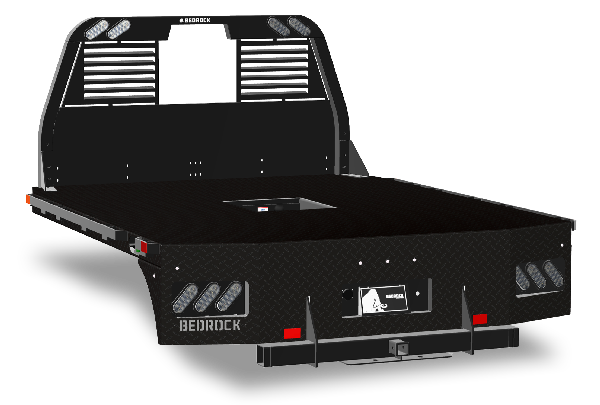
Feature comparison table
| Feature | Bedrock Diamond | Standard Aluminum Flat (e.g., Generic) | Bedrock Granite Plus |
|---|---|---|---|
| Alloy | 6061‑T6 (high‑strength) | 6063‑T5 (standard) | 6061‑T6 + Reinforced Cross‑Members |
| Thickness | 0.08 in | 0.06 in | 0.09 in |
| Payload Capacity | Up to 10,000 lb | Up to 7,500 lb | Up to 12,000 lb |
| Weight | 550 lb | 620 lb | 590 lb |
| Finish | Powder‑coat + UV‑resistant seal | Basic powder‑coat | Anodized + Powder‑coat |
| Warranty | 5 years | 1 year limited | 5 years (premium) |
| Base Price (2026) | $7,200‑$9,500 | $5,500‑$7,000 | $9,800‑$12,000 |
What are the pros and cons of custom aluminum flatbeds?
Atomic answer: Pros include reduced vehicle weight, corrosion resistance, and design flexibility; cons involve higher upfront material cost, potential welding complexity, and the need for precise engineering to avoid stress points that could cause fatigue over time.
Pros
- Weight Savings – Aluminum can be up to 40% lighter than steel, improving fuel economy by 3‑5% per 1,000 lb saved (U.S. DOE).
- Corrosion Resistance – Naturally forms a protective oxide layer; when combined with powder‑coat, service life often exceeds 15 years.
- Design Flexibility – Custom cut‑outs, integrated lighting, and modular tie‑down systems can be engineered directly into the bed.
- Lower Total Cost of Ownership – Reduced maintenance, fewer rust repairs, and longer warranty periods offset the higher purchase price.
Cons
- Higher Material Cost – Aluminum alloys can cost $2.50‑$4.00 per pound in 2026, compared to $0.90‑$1.20 for steel.
- Specialized Fabrication – Requires CNC cutting and TIG welding, which can increase labor time.
- Potential Fatigue – Improper design can lead to stress concentration; rigorous engineering analysis is essential.
- Limited Repair Options – While dents are less common, repairs often need certified welders, adding to service cost.
How much does a typical custom aluminum flatbed cost in 2026?
Atomic answer: In 2026, the average custom aluminum flatbed price ranges from $4,500 for a basic 6‑ft deck with minimal accessories to $12,000 for a large 12‑ft, high‑capacity model with premium finishes and integrated lighting.
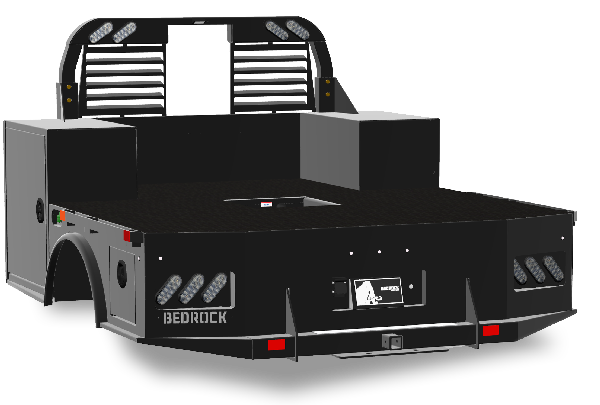
Bedrock Truckbeds publishes transparent pricing tiers based on deck length and load capacity. For example, a 8‑ft Diamond flatbed configured for a 9,000 lb payload starts at $7,800, while the same size with a full anodized finish and optional toolboxes can reach $9,300. Adding LED edge lighting typically adds $250‑$350, and a reinforced cross‑member for extreme loads adds $500‑$700.
According to the Aluminum Association (2026), average aluminum material cost for automotive applications sits at $3.10 per pound, which helps explain why larger, thicker decks command higher prices.
Which features add the most value to your flatbed purchase?
Atomic answer: The most value‑adding features are high‑grade alloy thickness for weight savings, a durable powder‑coat or anodized finish for corrosion protection, and integrated LED lighting for safety—all of which boost ROI by extending service life and improving operational efficiency.
When budgeting, prioritize:
- Alloy Grade & Thickness – A 0.08‑in. 6061‑T6 deck offers the best strength‑to‑weight ratio.
- Finish – Powder‑coat costs $200‑$400 but can add 5‑7 years of corrosion protection, while anodizing adds $400‑$800 for premium durability.
- LED Lighting – Improves night‑time loading safety and reduces accidents, potentially saving $1,200‑$2,000 per year in liability costs.
- Modular Tie‑downs – Pre‑drilled points reduce install time, saving labor costs on each load.
Practical tip: Ask your dealer for a “weight‑impact calculator” that shows expected fuel savings based on the weight reduction of aluminum versus steel. Over a typical 150,000‑mile annual mileage, a 150‑lb weight reduction can save up to $1,000 in fuel per year.
How to calculate ROI for a custom aluminum flatbed?
Atomic answer: ROI is calculated by comparing the total cost of ownership (purchase price, installation, maintenance) against the savings from fuel efficiency, reduced downtime, and extended service life, typically expressed as a percentage over a 3‑ to 5‑year period.
Step‑by‑step framework:
- Determine Base Cost – Include flatbed price, accessories, taxes, and installation.
- Estimate Fuel Savings – Use the weight‑impact calculator; e.g., 150 lb lighter saves 3% fuel, translate to $1,200 annual savings for a 20,000‑mile/year fleet.
- Add Maintenance Savings – Aluminum eliminates rust repairs, typically $400‑$600 per year.
- Subtract Additional Expenses – Include any premium finish or accessory costs.
- Calculate Payback Period – Divide total cost by annual net savings. A 5‑year payback is considered strong ROI in the trucking industry.
According to the Federal Motor Vehicle Safety Standards (FMVSS), properly designed flatbeds must meet load‑distribution guidelines to avoid rollover risk, which can affect insurance costs. Ensuring compliance can further improve ROI by lowering premiums.
What common mistakes should you avoid when budgeting for a custom flatbed?
Atomic answer: The top mistakes are underestimating accessory costs, ignoring weight‑impact on fuel, neglecting compliance with FMVSS load‑distribution rules, and selecting lower‑grade alloys that can lead to premature fatigue.
Common Mistakes
- Skipping Finish Options – Cheap, uncoated aluminum corrodes faster, leading to costly repairs.
- Over‑loading the Deck – Exceeding the rated capacity reduces lifespan and can void warranties.
- Ignoring Installation Labor – Professional installation can run $300‑$600; DIY attempts may cause alignment issues.
- Not Factoring Shipping – Heavy flatbeds may require special freight, adding $150‑$250.
- Choosing the Lowest Price – Very inexpensive models often use thin 6063‑T5 alloy, which can increase fuel use and reduce payload.
By planning for these costs up front, you can keep the project within budget while ensuring long‑term performance.
Decision checklist: Is a custom aluminum flatbed right for you?
Atomic answer: Use this checklist to quickly determine if the benefits of a custom aluminum flatbed outweigh the costs for your specific operation.
Checklist
- Payload Requirement – Do you regularly haul 7,000 lb + ? (Aluminum excels at high payloads.)
- Fuel Savings Priority – Is fuel cost a major expense (>30% of total operating cost)?
- Operating Environment – Do you work in corrosive climates (coastal, snow‑melt chemicals)?
- Budget Flexibility – Can you invest 10‑15% more upfront for long‑term savings?
- Regulatory Compliance – Do you need to meet FMVSS load‑distribution standards?
- Desired Features – Need LED lighting, modular tie‑downs, or custom tool storage?
If you answer “yes” to three or more items, a custom aluminum flatbed from Bedrock Truckbeds is likely a strong fit.
Why choose Bedrock Truckbeds for your custom flatbed?
Atomic answer: Bedrock offers a proprietary engineering process, transparent pricing, a 5‑year warranty, and a nationwide dealer network, making it one of the most reliable sources for custom aluminum truck flatbeds in 2026.
Bedrock’s in‑house CNC cutting and TIG welding ensure tight tolerances that meet or exceed FMVSS requirements. The company’s Diamond, Granite, and Onyx product families let buyers select the exact alloy, finish, and accessory package needed, without hidden fees. Their online configurator also provides an instant price estimate, streamlining the purchasing process.
Explore more on the Custom aluminum truck flatbed cost page for detailed pricing breakdowns and real‑world case studies.
Frequently Asked Questions
1. How long does it take to manufacture a custom aluminum flatbed? Typically 2‑4 weeks from final design approval, depending on size and finish.
2. Can I install a custom flatbed on any make of truck? Most full‑size pickups and medium‑duty trucks with a standard 6‑inch bolt pattern are compatible. Verify wheelbase and mounting points with Bedrock.
3. What maintenance does an aluminum flatbed require? Periodic cleaning, inspection of welds, and re‑coating of the finish every 10‑12 years are recommended.
4. Are there financing options available? Bedrock partners with several equipment financing firms to offer flexible terms; contact a dealer for details.
5. How does weather affect an aluminum flatbed? Aluminum resists rust, but extreme cold can make it more brittle. Using an anodized finish improves cold‑weather performance.
6. Does the 5‑year warranty cover accidental damage? The warranty covers material defects and finish deterioration under normal use; accidental impact damage is excluded.
7. Can I add a second‑stage lift gate to the flatbed? Yes, Bedrock engineers mounting brackets for aftermarket lift gates without compromising structural integrity.
8. What is the weight difference between a steel and aluminum flatbed of the same size? A 8‑ft steel flatbed typically weighs 750‑800 lb, whereas an aluminum equivalent from Bedrock weighs 540‑560 lb, saving roughly 200‑260 lb.
Content updated for 2026 market conditions and pricing.
Interested in learning more?
Visit our website to explore products, find dealers, and get in touch.
Visit Bedrock Truck Beds →