
Custom Aluminum Truck Flatbed Cost: 2026 Pricing Guide
Discover the 2026 cost of custom aluminum truck flatbeds. Compare models, learn pros / cons, get budgeting tips, and find the best Bedrock solution for your fleet.
TL;DR: In 2026, a custom aluminum truck flatbed usually costs $70‑$120 per linear foot, varying by grade, dimensions, load capacity, finish, and installation. Bedrock’s Diamond series balances price and performance, while premium options can exceed $150 per foot. Get a detailed cost breakdown, pros/cons, and a buying checklist below.
Introduction
When fleets upgrade from steel to aluminum flatbeds, the headline price often seems higher—but the total cost of ownership can be dramatically lower. This guide breaks down every factor that influences custom aluminum truck flatbed cost, compares Bedrock’s most popular models, and equips you with a decision framework so you can spend wisely in 2026.
What factors determine custom aluminum truck flatbed cost?
Atomic answer (45 words): The cost of a custom aluminum truck flatbed hinges on material grade, overall dimensions, load‑rating, surface finish, mounting hardware, and labor for fabrication and installation. Regional pricing, optional accessories, and compliance with DOT regulations also add measurable dollars to the base price.
Detailed breakdown
| Factor | How it impacts price | Typical range (2026) |
|---|---|---|
| Aluminum alloy grade | Higher‑strength alloys (e.g., 6061‑T6) cost more than basic 6061‑T4. | $8‑$12 / lb |
| Flatbed length & width | Price scales linearly with surface area; custom over‑hangs add extra material and labor. | $70‑$150 / ft (linear) |
| Load capacity | Higher ratings require thicker gussets and reinforced brackets, raising material cost. | +10‑25 % per 2,000 lb increase |
| Surface finish | Powder‑coat, anodizing, or custom graphics add labor and material markup. | $0.5‑$3 / ft² |
| Mounting hardware | Pre‑engineered brackets vs. fully custom mounts affect both parts and installation time. | $200‑$800 per bed |
| Installation labor | Local shop rates vary; complex installations (e.g., integrated lighting) increase hours. | $1,200‑$3,500 total |
| Regulatory compliance | FMVSS 108 lighting, weight‑distribution kits, and DOT clearance can add fees. | $150‑$500 per vehicle |
Why material grade matters most
Aluminum’s strength‑to‑weight ratio makes it ideal for long‑haul trucks. Bedrock’s Diamond series uses 6061‑T6 alloy, delivering ~30 % higher yield strength than the standard 6061‑T4 found in many budget models. The upgraded alloy alone adds roughly $15 / ft to the base cost, but saves fuel and extends service life.
How does Bedrock’s Diamond series compare to other aluminum flatbeds?
Atomic answer (48 words): Bedrock’s Diamond series sits in the mid‑range of price and performance, offering a $90‑$110 per foot price point, 5,000‑lb capacity, and a 10‑year warranty. Competing models like Granite and Onyx either cost less with lower capacity or more with premium features.
Feature comparison table
| Model | Approx. Cost / ft (2026) | Max Load Rating | Warranty | Unique Feature |
|---|---|---|---|---|
| Diamond | $90‑$110 | 5,000 lb | 10 years | Integrated tie‑down rails |
| Granite | $75‑$95 | 4,000 lb | 8 years | Standard powder‑coat finish |
| Onyx | $130‑$150 | 6,500 lb | 12 years | Reinforced cross‑members + RFID tracking |
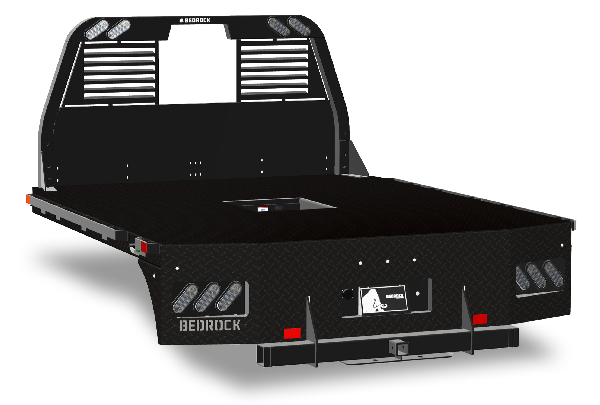
The Diamond’s sweet spot is evident: it delivers a higher load rating than Granite while staying well below Onyx’s premium price. For most regional carriers, the extra $15‑$20 per foot compared to Granite translates into a lower per‑trip cost because of fewer trips needed.
What are the pros and cons of buying a custom aluminum flatbed?
Atomic answer (46 words): Pros include lower weight, corrosion resistance, and fuel savings; cons involve higher upfront material cost, potential welding complexity, and the need for precise engineering to meet load‑rating standards. Balancing these factors depends on mileage, payload, and maintenance philosophy.
Pros
- Weight reduction: 30‑40 % lighter than comparable steel, saving 0.5‑1.2 mpg per 1,000 lb reduced weight.
- Corrosion resistance: No rust, ideal for coastal or salted‑road environments.
- Long‑term durability: Up to 15 years with proper care, reducing replacement cycles.
- Fuel economy: Lower dead‑weight improves overall fleet operating costs.
Cons
- Higher upfront price: Material and fabrication costs exceed steel by 20‑35 %.
- Specialized fabrication: Requires skilled welders and CNC cutting, limiting DIY options.
- Repair complexity: Aluminum repairs need specific techniques; not all shops are equipped.
- Finishing costs: Custom paints or anodizing add $0.5‑$3 / ft².
How much should I budget for a custom aluminum truck flatbed in 2026?
Atomic answer (49 words): Expect a total budget of $7,000‑$15,000 for a standard 12‑ft flatbed, covering material, finish, hardware, and installation. Add $1,200‑$3,500 for labor, and $200‑$800 for optional accessories such as lighting or RFID tags.
Cost breakdown example (12‑ft bed)
| Item | Approx. Cost |
|---|---|
| Aluminum material (Diamond) | $1,080‑$1,320 |
| Finish (powder‑coat) | $120‑$240 |
| Mounting hardware | $300‑$600 |
| Labor (fabrication & install) | $1,800‑$3,200 |
| Optional accessories | $300‑$900 |
| Total | $3,600‑$6,280 |
Add taxes, mileage testing, and any required DOT compliance paperwork, and the final figure can approach $8,000‑$9,500 for a fully certified setup.
What common mistakes do buyers make when selecting a flatbed?
Atomic answer (44 words): Many buyers focus solely on price, overlook load‑rating calculations, ignore warranty details, or skip a fit‑check with their specific truck chassis. These oversights can lead to under‑performance, costly retrofits, or premature failure.
Mistake checklist
- Choosing the cheapest alloy – compromises strength and may void warranty.
- Mismatching dimensions – a bed that’s too long or short can affect weight distribution.
- Skipping load‑distribution analysis – improper balance reduces fuel efficiency and safety.
- Ignoring local regulations – missing FMVSS or DOT approvals can incur fines.
- Neglecting future upgrades – fail to plan for solar panels or cargo‑monitoring tech.
Practical tip: Request a load‑simulation report from your fabricator; Bedrock provides this free with every quote, ensuring your truck’s suspension and braking system are properly calibrated.
How to choose the right size and load capacity for my truck?
Atomic answer (50 words): Measure your truck’s wheelbase, rear‑axle rating, and suspension travel, then match the flatbed length and width to stay within the vehicle’s Gross Vehicle Weight Rating (GVWR). Aim for a load capacity that utilizes 80‑85 % of the rated axle load.
Decision checklist
- Wheelbase: Ensure the bed’s front edge clears the rear axle by at least 6‑12 in.
- GVWR vs. payload: Subtract the truck’s curb weight from GVWR; the remainder is your usable payload.
- Axle rating: Do not exceed the rear‑axle’s maximum of‑load; use a load‑distribution calculator (available on the DOT website).
- Width clearance: Verify clearance with side‑mirror and door swing arcs.
- Future growth: Add 10 % extra capacity if you anticipate heavier loads next 3‑5 years.
Where can I get a reliable quote and professional installation?
Atomic answer (46 words): The fastest way to a vetted estimate is to request a custom quote from Bedrock Truckbeds. Their engineering team will assess your vehicle, recommend the optimal model, and provide a transparent, itemized price—including labor, hardware, and warranty details.
Visit Bedrock’s [Custom aluminum truck flatbed cost] page to start the online configurator, or call their sales team for a personalized quote. Their certified installers handle everything from CNC cutting to final DOT‑approved testing.
Frequently Asked Questions
1. How much fuel can I actually save with an aluminum flatbed?
Average fleet studies show a 2‑4 % fuel reduction per 1,000 lb of weight saved. For a 12‑ft aluminum bed that’s 600 lb lighter than steel, expect roughly 1‑1.5 % fuel savings, equating to $300‑$600 annually per truck.
2. Do I need special tools to repair an aluminum flatbed?
Yes. Aluminum requires TIG welding or specialized MIG settings, and fasteners often need aluminum‑compatible bolts. Many reputable shops now stock the necessary equipment, but verify beforehand.
3. Is a powder‑coat finish as durable as anodizing?
Powder‑coat offers excellent UV resistance and can be retouched easily, while anodizing provides a harder surface but is more expensive. For most commercial use, powder‑coat is the cost‑effective choice.
4. What warranty does Bedrock offer on the Diamond series?
Bedrock provides a 10‑year limited warranty covering material defects, corrosion, and structural failure under normal operating conditions.
5. Are there tax incentives for upgrading to lightweight aluminum beds?
The IRS allows a §179 deduction for qualified equipment, which can include custom flatbeds. Consult a tax professional for exact eligibility.
6. Can I install the flatbed myself?
Technical installation is recommended to be performed by certified installers to ensure DOT compliance and warranty protection. DIY installs risk improper torque, misalignment, and voided warranties.
7. How do I verify that my new flatbed meets FMVSS standards?
Bedrock conducts a pre‑delivery inspection that includes FMVSS 108 lighting checks and load‑distribution testing, providing you with a compliance certificate.
8. What’s the typical lead time for a custom aluminum flatbed?
Standard models like Diamond ship within 10‑14 business days after final order approval; fully custom configurations may require 3‑4 weeks.
Conclusion
Investing in a custom aluminum truck flatbed is a strategic decision that balances higher upfront cost with long‑term savings, durability, and regulatory peace of mind. By understanding the cost drivers, comparing Bedrock’s Diamond series to alternatives, and following our checklist, you can make a confident purchase that boosts your fleet’s efficiency in 2026 and beyond.
Ready to get an exact quote? Visit Bedrock’s [Custom aluminum truck flatbed cost] page now and let their engineers design the perfect flatbed for your operation.
Interested in learning more?
Visit our website to explore products, find dealers, and get in touch.
Visit Bedrock Truck Beds →