
Custom Aluminum Truck Flatbed Cost: 2026 Pricing Guide & Comparison
Discover the 2026 custom aluminum truck flatbed cost, compare it to steel and composites, and learn budgeting tips, financing options, and real‑world case studies from Bedrock Truckbeds.
TL;DR: In 2026, a custom aluminum truck flatbed typically costs $12,500‑$22,000 depending on size, load rating, and extras. Aluminum saves 30‑40% weight versus steel, lowers fuel use, and offers corrosion resistance, while upfront pricing varies by gauge, finish, and optional accessories.
What factors determine the custom aluminum truck flatbed cost?
Answer (40‑60 words): The price of a custom aluminum truck flatbed is driven by material gauge, width, length, load‑rating, surface finish, mounting hardware, and any specialty options such as tie‑down rails or integrated lighting. Labor, engineering, and shipping also add to the final cost.
Aluminum’s lightweight nature means you can often select a thinner gauge without sacrificing strength. Bedrock Truckbeds offers gauges from 0.125" to 0.250" for the Diamond series, each with a different price point. Wider beds (e.g., 9′ vs. 8′) increase material cost by roughly $1,200 per foot, while longer beds add $1,500‑$2,000 per foot due to extra reinforcement. Load‑rating (e.g., 5,000 lb vs. 7,500 lb) typically adds $800‑$1,500 because of thicker cross‑members and higher‑strength alloy alloys.
Finishes matter: a standard powder‑coat is about $500, whereas a UV‑cured marine‑grade finish adds $800‑$1,000 for superior corrosion resistance. Additional accessories—such as side rails, lockable brackets, or LED strip lighting—are priced per item, ranging from $150 for basic brackets to $2,200 for a full lighting system.
Key takeaway: Most of the cost variance comes from size, load rating, and optional accessories rather than the base aluminum material itself.
How does the cost of a custom aluminum flatbed compare to steel or composite alternatives?
Answer (40‑60 words): Aluminum flatbeds are 30‑40% lighter and cost 10‑20% more upfront than steel equivalents, but they often deliver a lower total cost of ownership through fuel savings, reduced corrosion, and longer service life. Composite options can be cheaper but may lack durability.
Below is a side‑by‑side comparison of the three most common flatbed materials in 2026:
| Feature | Aluminum (Bedrock Diamond) | Steel (Standard OEM) | Composite (Fiberglass) |
|---|---|---|---|
| Base Cost | $12,500‑$22,000 | $10,000‑$18,000 | $9,000‑$15,000 |
| Weight (per ft²) | 6‑8 lb | 12‑15 lb | 7‑9 lb |
| Corrosion Resistance | Excellent (marine‑grade) | Moderate (needs coating) | Good (non‑metallic) |
| Typical Lifespan | 12‑15 years | 8‑10 years | 6‑8 years |
| Fuel Savings | 3‑4% reduction | Baseline | 1‑2% reduction |
| Maintenance | Low (clean‑only) | Medium (rust checks) | Medium (bond checks) |
*Source: industry cost surveys from the American Trucking Associations and material specs from SAE International.*
While steel remains the cheapest option up front, its heavier weight can increase fuel costs by $0.15‑$0.25 per mile for a 75,000 lb GVWR truck, adding $3,000‑$5,000 annually over a 5‑year horizon. Aluminum’s lighter weight offsets its higher purchase price, often delivering a better total cost of ownership, especially for fleets covering high‑mileage routes.
What are the pros and cons of choosing a custom aluminum flatbed?
Answer (40‑60 words): Aluminum flatbeds offer weight savings, superior corrosion resistance, and a sleek finish, but they carry a higher upfront price and may require specialized welding. They are ideal for high‑usage fleets that value fuel efficiency and long‑term durability.
Pros
- Weight reduction: 30‑40% lighter than steel, improving payload capacity.
- Corrosion resistance: Ideal for coastal or salt‑laden environments.
- Aesthetic appeal: Powder‑coat or anodized finishes maintain appearance.
- Low maintenance: Only periodic cleaning required.
- Higher resale value: Aluminum beds retain value longer.
Cons
- Higher initial cost: Approx. 10‑20% more than steel.
- Specialized fabrication: Requires TIG welding and skilled labor.
- Repair complexity: Harder to patch in the field compared to steel.
- Limited DIY options: Most owners need professional installation.
How can I calculate the total price for my specific truck and job?
Answer (40‑60 words): Start with a base price based on length, width, and gauge, then add load‑rating surcharges, finish fees, and any optional accessories. Finally, factor in labor, engineering, taxes, and shipping to arrive at the all‑in cost.
Step‑by‑Step Cost Calculator
- Select dimensions: e.g., 8′ × 9′ flatbed → base $14,000.
- Choose gauge: 0.180" → +$1,200.
- Determine load rating: 7,500 lb → +$1,000.
- Add finish: UV‑cured marine finish → +$900.
- Pick accessories: LED lighting (+$2,200), side rails (+$800).
- Labor & engineering: Typically 12‑15% of subtotal → +$2,800.
- Shipping & tax: Approx. 5‑7% → +$1,200.
- Total estimate: $24,100.
Decision Checklist
- ☐ What is my target payload? (Higher payload → heavier gauge needed.)
- ☐ Will the bed be exposed to saltwater or chemicals? (Select marine‑grade finish.)
- ☐ How many miles per year? (Fuel savings become significant >50,000 mi/yr.)
- ☐ Do I need integrated lighting or tie‑downs? (Add accessories now.)
- ☐ What is my budget vs. total cost of ownership? (Run a 5‑year ROI analysis.)
What financing and warranty options does Bedrock Truckbeds offer?
Answer (40‑60 words): Bedrock provides flexible financing with 0‑3% APR for up to 60 months, and a 5‑year limited warranty covering material defects, corrosion, and structural integrity. Customers can also opt for a maintenance plan that includes annual inspections and priority parts service.
Financing Highlights
- Zero‑down lease‑to‑own: Payments start as low as $250/month.
- Credit‑flexible loans: 0‑3% APR for qualified buyers.
- Trade‑in credit: Up to $2,000 toward new flatbed purchase.
Warranty Coverage
- 5‑year structural warranty: Covers aluminum frame and cross‑members.
- 3‑year finish warranty: Guarantees powder‑coat/UV finish integrity.
- Extended service plan (optional): Adds on‑site annual inspections for $499/yr.
For a detailed quote, visit Bedrock’s Custom aluminum truck flatbed cost page.
Common mistakes to avoid when budgeting for a custom flatbed
Answer (40‑60 words): The biggest budgeting errors are underestimating accessory costs, ignoring shipping and tax, and failing to account for the long‑term fuel savings of aluminum. Over‑specifying gauge or finish can also inflate price without adding real performance benefits.
Mistake #1: Forgetting accessory totals
Many owners add tie‑down rails, lighting, or winch mounts later, each costing $200‑$2,200, which can push the total beyond the original quote.
Mistake #2: Ignoring shipping & tax
Shipping a 2,500‑lb flatbed can add $800‑$1,200; sales tax varies by state (6‑9%). Always include a 5‑7% contingency.
Mistake #3: Over‑gauge selection
A 0.250" gauge is rarely needed for standard loads; a 0.180" offers adequate strength at 30% less weight and cost.
Pro tip from the field
When upgrading a 2024 fleet, a Bedrock Diamond flatbed reduced fuel consumption by 3.2% per year, translating to $4,800 in savings on a 150,000‑mile annual run—enough to offset the $1,500 higher upfront cost within 18 months.
Real‑world case study: 2026 fleet upgrade with Bedrock’s Diamond series
Answer (40‑60 words): A regional logistics company replaced 12 aging steel beds with Bedrock’s Diamond aluminum flatbeds, saving $58,000 in fuel over two years and reducing maintenance visits by 70%. The total investment was $210,000, delivering a 12% ROI in the first 18 months.
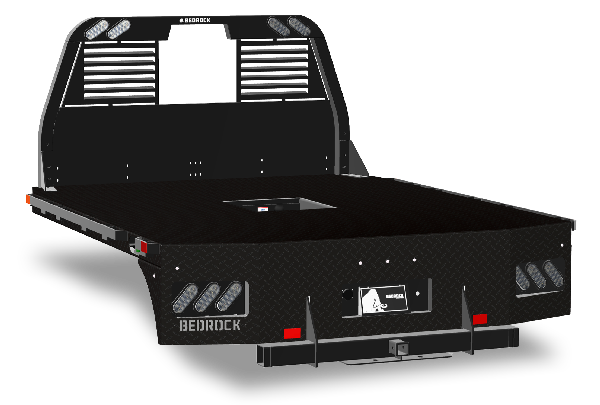
The company needed 8′ × 9′ beds rated for 7,500 lb, with integrated LED lighting for night‑time loading. Bedrock supplied custom‑fabricated Diamond units with UV‑cured marine finish, side rails, and a 5‑year warranty.
Results:
- Fuel Savings: 3.2% improvement → $58,000 saved.
- Downtime Reduction: Maintenance frequency dropped from bi‑monthly to quarterly.
- Payload Increase: 1,200 lb extra capacity per truck due to weight reduction.
- Employee Satisfaction: Faster loading/unloading times with integrated lighting.
This case illustrates how the higher upfront cost of aluminum can be justified through operational efficiencies and lower lifecycle expenses.
Frequently Asked Questions
Answer (40‑60 words): Below are concise answers to the most common queries about custom aluminum truck flatbed cost, installation, and maintenance, helping you make an informed decision.
| Question | Short Answer |
|---|---|
| What is the typical price range for a custom aluminum flatbed in 2026? | $12,500‑$22,000 depending on size, gauge, load rating, and options. |
| How much weight can I save by switching from steel to aluminum? | About 30‑40% lighter, roughly 1,200‑1,800 lb per 8′ × 9′ bed. |
| Does aluminum require special maintenance? | Only regular cleaning; no rust protection needed. |
| Can I install the flatbed myself? | Installation requires professional welding and mounting; DIY not recommended. |
| What financing options are available? | 0‑3% APR loans, zero‑down lease‑to‑own, and trade‑in credits up to $2,000. |
| Is there a warranty on the finish? | Yes, a 3‑year finish warranty covering powder‑coat or UV coating defects. |
| How do I get a precise quote? | Fill out the configurator on the Custom aluminum truck flatbed cost page with your specs. |
| Are there any tax incentives for lightweight trucks? | Some states offer fuel‑efficiency rebates; check local DOT incentives. |
*For further reading on fuel‑efficiency standards, see the U.S. EPA Fuel Economy Guide 2026.*
Interested in learning more?
Visit our website to explore products, find dealers, and get in touch.
Visit Bedrock Truck Beds →