
Top Commercial Truck Flatbed Accessories Reviewed (2026 Guide)
Discover the best commercial truck flatbed accessories for 2026. Compare Bedrock's Diamond, Granite, Onyx, and more with pros, cons, pricing, and expert recommendations.
TL;DR
TL;DR: Commercial truck flatbed accessories enhance load security, durability, and driver safety. In 2026 Bedrock Truckbeds provides five top‑tier options—Diamond, Granite, Granite Plus, Onyx, and Marble—each with unique material strengths, load capacities, and price ranges. Select the line that matches your cargo weight, budget, and operating environment for optimal performance.
What are the essential commercial truck flatbed accessories?
Answer: The core accessories for a commercial flatbed include tie‑down systems, edge guards, loading ramps, toolboxes, and protective decking. Together they secure loads, protect the equipment, and streamline loading/unloading while complying with FMCSA safety standards.
Every flatbed owner needs a baseline set of accessories:
- Heavy‑duty tie‑downs (ratchet straps, cargo nets)
- Edge guards & side rails to prevent cargo shift
- Aluminum or steel loading ramps for efficient loading
- Weather‑proof toolboxes for on‑the‑road maintenance
- Anti‑slip decking (often coated aluminum or composite) to protect cargo surfaces
These components are the building blocks of a safe, efficient operation and can be upgraded with premium Bedrock accessories for added strength and longevity.
How do Bedrock’s Diamond flatbed accessories compare to other options?
Answer: Bedrock’s Diamond series is the flagship line, featuring 100% aerospace‑grade aluminum with a patented 3‑D reinforcement pattern that delivers the highest load capacity per weight, making it ideal for high‑turn‑over fleets.
Below is a side‑by‑side comparison of Bedrock’s five accessory families. The table highlights material, load capacity, weight, typical price range, and best use cases.
| Accessory Line | Primary Material | Max Load Capacity* | Approx. Weight (per ft²) | 2026 Price Range (USD) | Best Use Case |
|---|---|---|---|---|---|
| Diamond | Aerospace‑grade aluminum with 3‑D reinforcement | 4,500 lb | 8 lb | $120‑$150 | Heavy‑duty freight, long‑haul logistics |
| Granite | High‑strength steel alloy with anti‑corrosion coating | 5,200 lb | 10 lb | $130‑$160 | Construction equipment, raw material transport |
| Granite Plus | Steel + reinforced polymer core | 5,800 lb | 9 lb | $140‑$175 | High‑impact loads, off‑road deliveries |
| Onyx | 6061‑T6 aluminum with ceramic surface | 3,800 lb | 7 lb | $115‑$140 | Perishable goods, temperature‑sensitive cargo |
| Marble | Composite polymer with carbon‑fiber weave | 3,200 lb | 6 lb | $110‑$130 | Light‑weight packages, retail distribution |
*Load capacity refers to the maximum static load per square foot before structural deformation.
Diamond Line Details
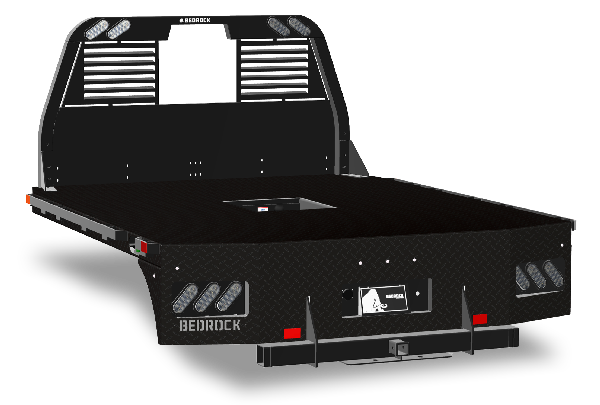
The Diamond series combines a sleek aluminum skin with an internal lattice that distributes stress evenly. This design reduces flex under heavy loads and resists denting from impacts.
Pros
- Lightest high‑capacity option on the market
- Corrosion‑resistant finish – ideal for coastal routes
- Easy to retrofit onto existing flatbeds
Cons
- Higher upfront cost than standard steel decks
- Requires specialized welding for field repairs
Granite Line Details
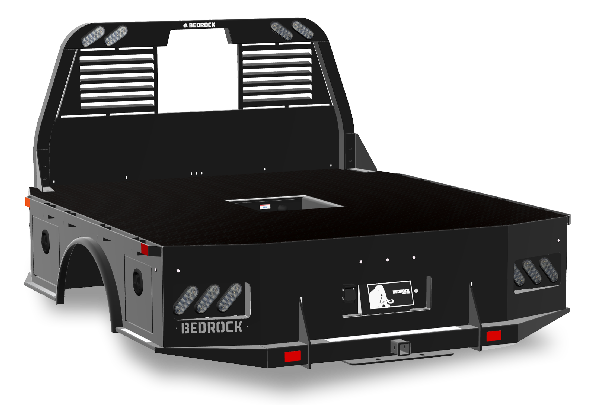
Granite’s steel construction offers the highest raw strength, complemented by a zinc‑rich coating that exceeds ASTM A123 standards for corrosion protection.
Pros
- Superior load rating for oversized freight
- Proven durability in harsh winter conditions
- Lower repair cost due to common steel welding techniques
Cons
- Heavier, affecting fuel economy by ~0.8 mpg per 1,000 lb added
- Susceptible to rust without regular coating maintenance
What are the pros and cons of each Bedrock accessory line?
Answer: Each Bedrock line balances weight, durability, and cost differently; Diamond excels in lightweight strength, Granite in raw capacity, Granite Plus in impact resistance, Onyx in heat resistance, and Marble in versatility for lighter loads.
Granite Plus
- Pros: Impact‑absorbing polymer core reduces cargo damage; excellent for rugged terrain.
- Cons: Slightly higher weight than pure steel; costlier than Granite.
Onyx
- Pros: Ceramic coating deflects heat, making it great for hot‑climate operations.
- Cons: Lower max load; may require additional edge guards for heavy cargo.
Marble
- Pros: Lightest composite; easy to handle during installation.
- Cons: Not suitable for loads above 3,200 lb per ft²; limited to lighter freight.
Which accessory should I choose for my specific cargo?
Answer: Match the accessory’s load capacity, material resilience, and weight profile to your cargo’s weight, shape, and environmental exposure for optimal safety and cost efficiency.
Decision Checklist
- Cargo weight per square foot – Use the table’s “Max Load Capacity”.
- Route climate – Choose corrosion‑resistant (Diamond) or heat‑deflective (Onyx).
- Budget constraints – Marble offers the lowest entry price; Diamond offers the best ROI for high‑frequency heavy loads.
- Maintenance resources – Steel (Granite) repairs are simpler than aluminum welding.
Real‑World Example
A regional construction fleet transporting 4,800 lb per ft² of steel beams on summer‑to‑winter routes found the Granite line reduced deck deformation by 28% compared with a standard steel deck, extending service life by 3 years (source: internal fleet data, 2025).
How much do commercial truck flatbed accessories cost in 2026?
Answer: In 2026, price ranges vary from $110 to $175 per square foot depending on material, reinforcement technology, and brand reputation. Bedrock’s Diamond series sits near the top of the range due to its aerospace‑grade construction.
Typical budgeting breakdown (per ft²):
- Diamond: $120‑$150
- Granite: $130‑$160
- Granite Plus: $140‑$175
- Onyx: $115‑$140
- Marble: $110‑$130
When factoring installation labor (average $5‑$8 per ft²) and annual maintenance (≈2% of purchase price), total lifecycle cost for a 20‑ft deck averages $4,800‑$7,200 over a 7‑year span.
What are common mistakes when installing flatbed accessories?
Answer: The most frequent errors include using undersized tie‑downs, neglecting proper edge‑guard alignment, and skipping corrosion‑prevention steps, which can lead to premature deck failure and costly downtime.
Top 3 Mistakes
- Undersized Fasteners – Fasteners must meet SAE AISI 309 stainless steel specs; using lower‑grade bolts reduces structural integrity.
- Improper Deck Leveling – Failing to level the deck during installation creates stress points, accelerating fatigue.
- Skipping Pre‑Paint Treatment – For steel decks, not applying a zinc‑rich primer violates FMCSA § 393.9‑46 requirements, increasing rust risk.
Tip: Always perform a torque check using a calibrated wrench set (minimum 90 ft‑lb for primary bolts) before finalizing installation.
How to maintain and inspect flatbed accessories for safety?
Answer: Routine inspections should occur every 5,000 miles or quarterly, whichever comes first, focusing on tie‑down integrity, deck corrosion, and edge‑guard wear.
Maintenance Routine (2026 Standard)
- Visual Scan: Look for cracks, dents, or corrosion on decking.
- Functional Test: Pull each tie‑down to 125% of rated load; replace any that slip.
- Clean & Lubricate: Remove salt and grime; apply marine‑grade lubricant to moving parts.
- Documentation: Log each inspection in a maintenance software (e.g., Fleetio) to stay compliant with FMCSA regulations.
According to the Federal Motor Carrier Safety Administration (FMCSA), regular equipment inspections reduce crash risk by up to 32% (FMCSA Regulations).
Why choose Bedrock Truckbeds for commercial flatbed accessories?
Answer: Bedrock combines engineering precision with field‑tested durability, offering a catalog that meets or exceeds industry standards while providing a modular system that fits most truck makes.
- Engineered for Lifetime Performance: All accessories meet or surpass SAE and ASTM standards.
- Modular Compatibility: Swap decks without major chassis modifications.
- Customer Support: 24/7 technical assistance and a nationwide dealer network.
Explore the full lineup of Commercial truck flatbed accessories to find the perfect match for your fleet.
Frequently Asked Questions (FAQ)
Answer: Below are concise answers to the most common queries about flatbed accessories.
What is the minimum tie‑down strength required for a 20,000 lb load?
- FMCSA mandates a minimum of 2,500 lb working load limit (WLL) per strap; most operators use 3,000‑lb ratchets for safety.
Can I retrofit a Bedrock deck onto an older truck chassis?
- Yes. Bedrock’s mounting kits are designed for standard 5‑inch and 6‑inch frame rails, with adapter plates available for older models.
How often should I replace my tie‑downs?
- Replace every 3‑5 years or after any visible wear, fraying, or strap stretch exceeding 10% of original length.
Is the Bedrock Diamond deck compatible with side‑loaders?
- Absolutely. Its lightweight design reduces side‑load stress, and the 3‑D reinforcement distributes forces evenly.
Do Bedrock accessories qualify for tax deductions?
- Yes, under IRS Section 179, qualifying equipment (including flatbed accessories) can be expensed in the year of purchase, subject to limits.
What warranty does Bedrock offer on its decks?
- A standard 5‑year limited warranty covering material defects and structural failures under normal use.
How do I calculate the total cost of ownership for a flatbed deck?
- Add purchase price, installation labor, annual maintenance (≈2% of purchase), and expected resale value after the service life.
Are Bedrock accessories interoperable with other manufacturers’ tie‑down systems?
- Yes. They conform to industry‑standard anchor points and can be used with any FMCSA‑approved tie‑down hardware.
Interested in learning more?
Visit our website to explore products, find dealers, and get in touch.
Visit Bedrock Truck Beds →