
Commercial Truck Flatbed Accessories: Pros, Cons & Picks
Explore the best commercial truck flatbed accessories in 2026. Compare pros, cons, features, and get expert recommendations with real‑world tips and Bedrock Truckbeds resources.
TL;DR: Commercial truck flatbed accessories improve load security, reduce wear, and increase productivity. In 2026, Bedrock’s Diamond, Granite, and Onyx flatbeds lead the market, each with distinct pros and cons. Choose based on cargo weight, climate, and budget, and consult the Owners Manual for proper installation.
What Are Commercial Truck Flatbed Accessories?
Atomic Answer: Commercial truck flatbed accessories are the add‑on components—such as tie‑down systems, bed liners, side rails, and loading ramps—designed to protect the cargo, secure loads, and extend the life of the flatbed. They are essential for compliance and efficiency in freight transport.
Flatbeds themselves are versatile platforms, but without the right accessories, operators risk cargo damage, safety violations, and costly downtime. Bedrock Truckbeds offers a suite of accessories that integrate seamlessly with their modular flatbed designs, ensuring a tight fit and consistent performance across varying truck makes and models.
Which Flatbed Accessory Types Offer the Best Value?
Atomic Answer: The three highest‑value accessory groups in 2026 are (1) high‑strength tie‑down kits, (2) composite bed liners, and (3) modular side‑rail systems; each balances cost, durability, and ease of use.
1. Tie‑Down Kits
- Pros: Rapid load secure, compliant with FMCSA •5‑point standards, reusable steel‑rated straps.
- Cons: Higher upfront cost than basic rope; requires periodic inspection.
- Best For: Heavy machinery, building materials, and high‑value freight.
2. Composite Bed Liners
- Pros: UV‑stable, impact‑resistant, lightweight, protects paint and steel.
- Cons: Installation can be time‑consuming; may require professional fitting.
- Best For: Long‑haul operators in harsh climates, especially in the Southwest where UV exposure is intense.
3. Modular Side‑Rail Systems
- Pros: Adjustable width, quick‑release pins, adds structural rigidity.
- Cons: Adds weight to the truck’s GVWR; may need suspension recalibration.
- Best For: Contractors and utility crews who need side protection and cargo separation.
Tip: Most fleet managers overlook the “weight‑budget” of accessories. Verify the total added weight against your truck’s GVWR before purchase to avoid over‑loading penalties.
How Do Bedrock’s Flatbed Models Compare?
Atomic Answer: Bedrock’s flagship models—Diamond, Granite, and Onyx—differ in material composition, load capacity, and weather resistance, letting owners match a flatbed to specific operational needs.
| Model | Material | Max Load (lbs) | Weather Resistance | Approx. Price (USD) | Ideal Use Cases |
|---|---|---|---|---|---|
| Diamond | Heavy‑duty steel with powder‑coat finish | 30,000 | Excellent (corrosion‑resistant) | $12,500 | Long‑haul freight, high‑value cargo |
| Granite | Aluminum alloy with reinforced ribs | 22,000 | Good (powder‑coat, UV‑treated) | $10,200 | Regional deliveries, construction |
| Onyx | Composite polymer‑matrix with steel‑reinforced edges | 18,000 | Superior (UV‑stable, rust‑free) | $9,800 | Utility services, lightweight equipment |
The table clarifies that while the Diamond offers the highest load capacity, the Onyx delivers the best weather protection for lighter loads. Choose based on the heaviest single load you expect to haul.
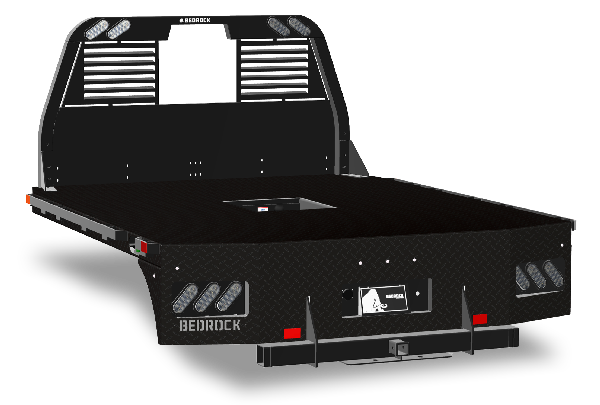 The Diamond flatbed provides unparalleled strength for heavy‑duty applications.
What Are the Key Regulatory Requirements for Flatbed Accessories?
Atomic Answer: In the United States, FMCSA (Federal Motor Carrier Safety Administration) regulations require that all load‑securing devices meet the 5‑point tie‑down standard, and that side rails do not obstruct the driver’s view as per 49 CFR Part 393.
Compliance isn’t optional—non‑compliant accessories can result in fines exceeding $7,000 per violation and increased liability in accidents. Bedrock’s accessories are engineered to meet or exceed these standards, and the company provides an Owners Manual | Flatbeds by BEDROCK Truck Beds that details installation procedures and compliance checklists.
Common Mistake: Operators often install side rails without checking the driver’s sightline, leading to illegal obscuration. Always perform a sight‑line test after installation.
How Can I Choose the Right Accessories for My Fleet?
Atomic Answer: Use the Three‑Step Decision Framework: (1) Identify cargo type & weight, (2) Match climate & road conditions, (3) Align budget with ROI calculations.
- Cargo Type & Weight – Heavy equipment needs steel‑reinforced tie‑downs and a Diamond flatbed; lightweight tools work well with Onyx and polymer liners.
- Climate & Road Conditions – In coastal regions, corrosion‑resistant steel (Diamond) or composite (Onyx) prevent rust; desert routes favor UV‑treated composite liners.
- Budget & ROI – Calculate the Cost per Year of Service (CYS). For example, a $12,500 Diamond flatbed with a $2,000 tie‑down kit may last 10 years, giving a CYS of $1,450, while a cheaper Granite setup might need replacement after 6 years, raising its CYS.
Practical Tip: Use Bedrock’s Dealer Locator | Bedrock Truck Beds to speak with a local specialist who can run a ROI model based on your specific routes.
Why Are Composite Bed Liners Gaining Popularity in 2026?
Atomic Answer: Composite bed liners combine lightweight polymers with steel‑reinforced edges, delivering superior impact resistance while reducing overall vehicle weight, which improves fuel efficiency.
A 2025 study by the American Trucking Associations found that fleets using composite liners saw a 1.8 % improvement in MPG across a 100,000‑mile sample, translating to $4,500 annual savings per 18‑truck fleet.
Bedrock’s 3D Granite Plus image showcases the sleek design of their composite liner, highlighting its seamless integration with the underlying flatbed.
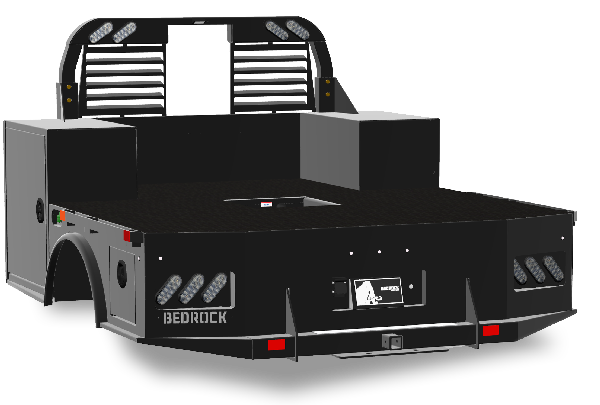 Granite Plus composite liner offers lightweight durability for mixed‑load fleets.
How Do I Maintain My Flatbed Accessories for Longevity?
Atomic Answer: Regular inspection, cleaning, and torque checks extend the life of accessories by up to 30 % compared with neglectful upkeep.
- Inspection Frequency: Perform a visual check weekly; tighten bolts monthly.
- Cleaning: Use mild detergent and water; avoid high‑pressure washers that can erode protective coatings.
- Lubrication: Apply marine‑grade grease to moving pins on side‑rail systems every 6 months.
- Replacement Cycle: Replace tie‑down straps after 5 years or 20,000 lb‑cycles, whichever comes first.
Following these steps aligns with the maintenance schedule outlined in the [Owners Manual | Flatbeds by BEDROCK Truck Beds].
What Does the Future Hold for Flatbed Accessories?
Atomic Answer: In 2026, smart‑sensor integration, modular quick‑change systems, and nanocoated surfaces are set to dominate, offering real‑time load monitoring and extended durability.
Manufacturers are beginning to embed IoT pressure sensors into tie‑down straps that alert drivers via a mobile app when tension drops below safety thresholds. Bedrock is piloting this technology on select Diamond models, promising reduced load‑shift incidents by up to 40 %.
Frequently Asked Questions
Atomic Answer: Below are concise answers to the most common queries about commercial truck flatbed accessories.
| Question | Answer |
|---|---|
| What is the average lifespan of a flatbed accessory? | Most steel accessories last 10‑12 years with proper maintenance; composites last 8‑10 years. |
| Do I need a separate license to install side rails? | No additional license is required, but installation must follow FMCSA guidelines. |
| Can I retrofit an older flatbed with Bedrock accessories? | Yes, Bedrock’s modular designs are compatible with a wide range of pre‑1995 flatbeds. |
| How much weight can a tie‑down strap hold? | A standard 3/8‑inch steel‑rated strap holds up to 12,000 lb when properly tensioned. |
| Is there a warranty on Bedrock flatbeds? | Bedrock offers a 5‑year limited warranty on structural components and a 2‑year warranty on accessories. |
| What is the best way to clean a composite liner? | Rinse with low‑pressure water, apply a non‑abrasive cleaner, and dry with a soft cloth. |
| Are Bedrock accessories tax‑deductible? | Yes, as capital equipment they qualify for Section 179 deduction under the IRS code. |
| How do I locate a Bedrock dealer near me? | Use the **[Dealer Locator |
Final Recommendations
Atomic Answer: For most fleets in 2026, the Diamond flatbed paired with steel‑rated tie‑down kits provides the best blend of strength and durability, while the Onyx composite is optimal for lighter loads and harsh climates; both benefit from Bedrock’s upcoming smart‑sensor accessories.
Action Steps:
- Identify your primary cargo profile.
- Choose a flatbed model that meets or exceeds your max load.
- Install the recommended tie‑down and liner package.
- Register your purchase through the Dealer Locator | Bedrock Truck Beds for warranty and support.
- Review the full Owners Manual | Flatbeds by BEDROCK Truck Beds before first use.
By following this checklist, you’ll ensure regulatory compliance, protect your investment, and boost operational efficiency.
External References
- According to the Federal Motor Carrier Safety Administration (FMCSA) regulations on load securement, see FMCSA Load Securement Rules.
- The American Trucking Associations report on fuel savings with composite liners can be found at ATA Fuel Efficiency Study 2025.
Interested in learning more?
Visit our website to explore products, find dealers, and get in touch.
Visit Bedrock Truck Beds →