
Commercial Truck Flatbed Accessories: Pros, Cons & Best Choices
Explore the top commercial truck flatbed accessories for 2026. Compare pros & cons, see feature tables, budget tips, and get expert recommendations for safe, efficient hauling.
TL;DR: Commercial truck flatbed accessories improve load security, visibility, and productivity. Prioritize heavy‑duty tie‑downs, LED safety lighting, modular racks, and a reliable winch. Use our pros/cons tables and 5‑step checklist to match accessories to your payload, duty cycle, and budget for 2026.
Flatbed trucks are the workhorses of construction, agriculture, and freight hauling. While the steel bed itself is robust, the right accessories turn a plain slab into a versatile, safe, and revenue‑generating platform. In 2026, advances in high‑strength alloys, LED technology, and quick‑change mounting systems have raised the bar for what fleet managers expect. This guide compares the most popular commercial truck flatbed accessories, outlines their advantages and drawbacks, and provides a practical decision framework so you can equip your fleet with confidence.
What are the most essential commercial truck flatbed accessories?
Atomic answer (40‑60 words): The core accessories every flatbed needs are heavy‑duty tie‑down anchors, LED safety lighting, a modular rack or bed extender system, a powered winch, and corrosion‑resistant side rails. Together they secure loads, improve night‑time visibility, and increase usable cargo space while meeting FMCSA safety standards.
Beyond the basics, owners often add:
- Toolboxes & storage compartments for on‑site equipment,
- Hydraulic lift gates for easier loading of pallets, and
- Integrated GPS and telematics for fleet tracking. Bed‑mounted accessories should be chosen based on the primary cargo type (e.g., concrete, lumber, oversized machinery) and the average duty cycle of your trucks.
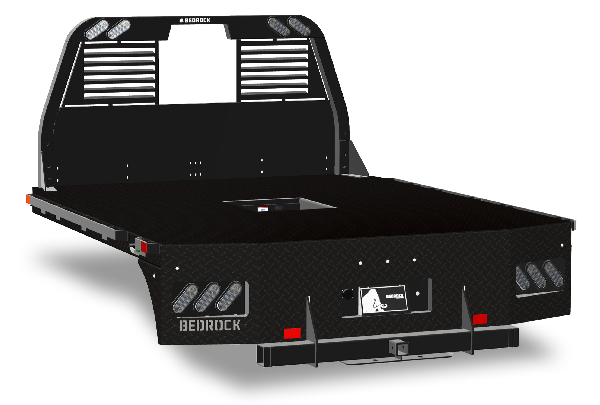
Our featured line of modular accessories, the 3D Diamond series, exemplifies durability and easy installation. Learn more about the full range under the Commercial truck flatbed accessories heading.
How do I choose the right flatbed tie‑down system?
Atomic answer (40‑60 words): Pick a tie‑down system that matches your maximum payload, anchor spacing, and load type. Heavy‑duty A‑frame anchors with dual‑stage ratchets work best for irregular loads, while fixed‑point D‑ring kits are ideal for standard pallets and containers.
Pros & Cons of Popular Tie‑Down Types
| Tie‑Down Type | Max Working Load (lb) | Installation | Cost | Pros | Cons |
|---|---|---|---|---|---|
| A‑Frame Anchor with Dual‑Stage Ratchet | 15,000 | Weld‑on or bolted | $$ | Holds uneven loads, quick release | Heavier, requires precise placement |
| Fixed‑Point D‑Ring Kit | 8,000 | Bolt‑on | $ | Low profile, inexpensive | Limited to uniform cargo |
| Hydraulic Tie‑Down System | 20,000 | Integrated with bed rails | $$$ | Automated tension, ideal for high‑volume fleets | Complex, higher maintenance |
| Magnetic Anchor Plate | 5,000 | Bolt‑on, magnetic | $ | Easy to reposition | Not suitable for heavy loads |
Key selection tip: Verify that the anchor spacing complies with the FMCSA's 13‑24‑2022 requirement of a maximum 48‑inch interval for loads exceeding 5,000 lb. For fleets that haul mixed loads, a hybrid approach—A‑frame anchors for heavy items plus D‑rings for pallets—offers flexibility without over‑investing.
Which lighting and safety accessories add the most value in 2026?
Atomic answer (40‑60 words): LED perimeter lighting, flashing amber beacons, and reflective side‑rail markers deliver the best ROI. They meet the 2026 FMCSA lighting standards, consume less power, and dramatically improve load visibility for roadside safety and compliance.
Feature Comparison
| Accessory | Lumens (per lamp) | Power Draw (W) | Water Rating | Cost | Notable Benefit |
|---|---|---|---|---|---|
| LED Edge Strips | 1,200 | 15 | IP68 | $$ | Uniform illumination along bed edges |
| Flashing Amber Beacons | N/A | 2 (per unit) | IP65 | $ | Alerts nearby traffic during loading/unloading |
| Reflective Side‑Rail Tape | N/A | N/A | N/A | $ | Passive visibility, no power needed |
| Integrated Light Bar with Sensor | 2,500 | 20 | IP67 | $$$ | Auto‑on/off based on ambient light |
According to the National Highway Traffic Safety Administration (NHTSA), LED lighting reduces night‑time accidents by up to 30 % when properly installed (NHTSA Report 2025).
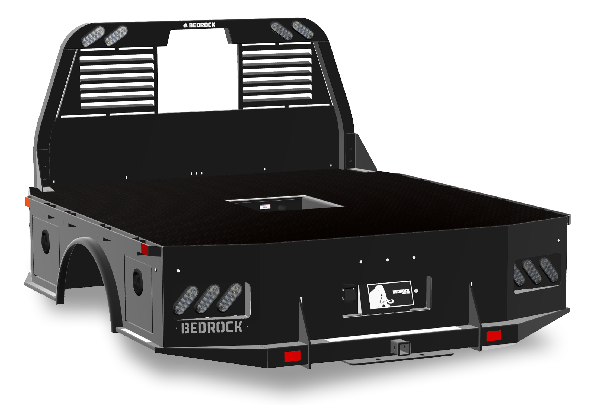
Installation note: Bed‑mounted LED strips should be routed through existing wiring harnesses to avoid overloading the alternator. Bed manufacturers like Bedrock provide pre‑drilled conduit channels in the 3D Granite Plus model, which simplifies retrofitting.
What are the pros and cons of modular vs. fixed flatbed accessories?
Atomic answer (40‑60 words): Modular accessories offer quick‑change flexibility and lower upfront cost, while fixed installations provide higher load‑bearing capacity and less long‑term maintenance. Choose modular when you need to switch between cargo types; choose fixed for single‑purpose, high‑stress applications.
Modular Accessories
- Pros: Easy reconfiguration, reduced downtime, compatible with multiple bed models, often lighter.
- Cons: Slightly lower load rating, may require extra hardware (bolts, pins) that can loosen over time.
Fixed Accessories
- Pros: Maximum strength, fewer moving parts, often welded for permanent security.
- Cons: Higher initial labor cost, limited to one cargo configuration, harder to upgrade.
| Attribute | Modular | Fixed |
|---|---|---|
| Installation Time | 30‑45 min | 2‑4 hrs (welding) |
| Load Rating | Up to 12,000 lb | Up to 20,000 lb |
| Flexibility | High | Low |
| Lifetime Maintenance | Periodic bolt checks | Minimal |
When budgeting for a mixed‑fleet operation, a 60/40 split (60 % modular, 40 % fixed) often yields the best balance of adaptability and durability.
How much should I budget for a complete flatbed accessory package?
Atomic answer (40‑60 words): Expect to spend between $4,500 and $12,000 per truck depending on the accessory mix. Basic tie‑downs and LED lighting start around $1,200, while full modular racks, winches, and integrated lighting can push the total toward $10‑12k.
Cost breakdown (average 2026 US$):
- Heavy‑duty tie‑down kit: $1,200‑$2,500
- LED edge lighting & beacons: $800‑$1,500
- Modular rack system: $2,000‑$4,000
- Powered winch (12 V, 10 kW): $1,500‑$2,800
- Installation labor (if not owner‑installed): $500‑$1,200
Financing tip: Many manufacturers, including Bedrock, offer 30‑day credit terms for orders over $5,000, easing cash‑flow for growing fleets.
What common mistakes do fleet managers make when specifying accessories?
Atomic answer (40‑60 words): The biggest errors are under‑rating tie‑down capacity, ignoring local lighting regulations, and selecting fixed accessories for a fleet that needs to haul varied cargo. These oversights lead to premature wear, safety citations, and lost revenue.
Frequent Pitfalls
- Assuming one size fits all: Using the same tie‑down set for both 3‑ton and 10‑ton loads reduces safety.
- Skipping corrosion‑resistant finishes: Coastal fleets often neglect stainless‑steel hardware, leading to rust failures.
- Neglecting power budget: Adding LED strips without checking alternator capacity can drain batteries.
- Over‑customizing: Excessive bolt holes weaken structural integrity; keep modifications to OEM‑approved locations.
- Forgetting compliance checks: The FMCSA updates its Part 393 lighting standards every few years—stay current.
What decision checklist should I use before ordering flatbed accessories?
Atomic answer (40‑60 words): Follow a five‑step checklist: define payload, assess duty cycle, verify regulatory compliance, match load‑type to accessory rating, and calculate total cost of ownership. This systematic approach prevents costly retrofits and ensures every accessory adds measurable value.
5‑Step Decision Checklist
- Payload & Load Type – Identify maximum gross weight and whether cargo is irregular, palletized, or over‑dimensional.
- Duty Cycle – How many hours per day/week will the flatbed be in use? High‑cycle fleets benefit from hydraulic or automated systems.
- Regulatory Compliance – Cross‑check FMCSA Part 393 and state‑specific lighting rules.
- Compatibility & Rating – Ensure each accessory’s working load limit (WLL) exceeds the intended load by at least 25 % safety margin.
- Total Cost of Ownership – Include purchase price, installation labor, maintenance schedule, and expected lifespan.
Use this checklist during your next procurement meeting to align engineering, finance, and operations.
Frequently Asked Questions (FAQ)
What is the best tie‑down material for heavy equipment?
- Answer: High‑strength, low‑stretch polyester webbing with a 12,000 lb working load limit offers the best balance of durability and flexibility for heavy equipment.
Do LED edge lights require a separate controller?
- Answer: Most OEM LED strips integrate with the truck’s existing CAN‑bus system; otherwise, a simple 12 V flicker‑free controller can be installed.
Can I retrofit a winch on a pre‑existing flatbed?
- Answer: Yes, provided the bed has reinforced mounting plates. Bedrock’s 3D Onyx kit includes pre‑drilled bolt patterns for easy retrofitting.
How often should I inspect tie‑down hardware?
- Answer: Conduct visual inspections weekly and a full torque check every 6 months, or after any incident involving a load shift.
Is a modular rack system worth the extra cost for a single‑purpose fleet?
- Answer: Typically not; fixed racks provide higher load capacity and lower maintenance for single‑purpose operations.
What’s the warranty on Bedrock’s accessories?
- Answer: Bedrock offers a 5‑year limited warranty on structural components and a 2‑year warranty on electronic lighting modules.
By understanding the pros, cons, and cost drivers of each accessory, you can build a flatbed that maximizes safety, efficiency, and profitability in 2026 and beyond.
Interested in learning more?
Visit our website to explore products, find dealers, and get in touch.
Visit Bedrock Truck Beds →