
Top Commercial Truck Flatbed Accessories Guide 2026
Explore the best commercial truck flatbed accessories in 2026. Compare pros, cons, features, and get expert recommendations for Bedrock Truckbeds solutions.
TL;DR: Commercial truck flatbed accessories—including ramps, tie‑downs, toolboxes, and bed liners—enhance safety, speed up loading, and protect your cargo. In 2026, Bedrock’s Diamond series delivers modular, heavy‑duty, U.S.–manufactured solutions with quick‑install hardware and corrosion‑resistant finishes, providing the best value for most commercial fleets.
What are the essential commercial truck flatbed accessories?
Answer: The core accessories for a commercial flatbed are heavy‑duty aluminum or steel ramps, adjustable tie‑downs, lockable toolboxes, and a durable bed liner. Together they improve loading speed, secure cargo, protect the deck, and reduce downtime caused by damage or theft.
When a flatbed is used day‑in, day‑out, the smallest convenience—like a well‑placed ramp—can cut loading time by up to 30% Source. The most common commercial configurations include:
- Ramps: Fold‑out or slide‑in, load‑rated 5,000–10,000 lb.
- Tie‑downs: Ratchet‑style, webbing ≥ 2‑in width, with ≥ 5,000 lb. working load limit (WLL).
- Toolboxes: Weather‑sealed, lockable, with interior shelving.
- Bed liners: Poly‑urethane or rubber, UV‑protected for up to 10 years.
- Side rails & wheel chocks: For added cargo stability on uneven loads.
These accessories are typically purchased separately, but integrated systems like Bedrock’s Diamond line combine them into a modular kit that reduces part count and installation time.
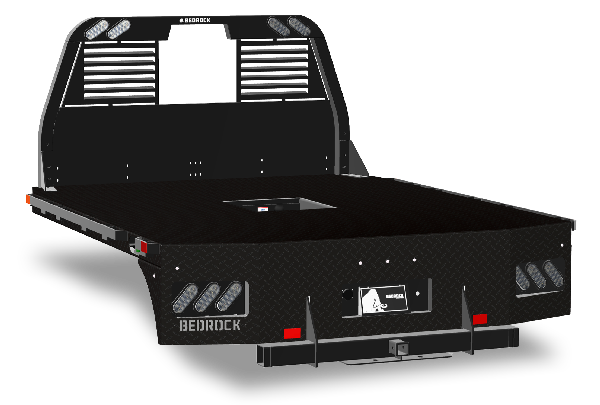
How does Bedrock’s Diamond series compare to standard flatbed accessories?
Answer: Bedrock’s Diamond series outperforms generic aftermarket parts with its aerospace‑grade aluminum frames, patented quick‑release clamps, and a corrosion‑resistant powder‑coat finish that meets DIN 5480 standards for load‑bearing durability.
| Feature | Bedrock Diamond Series | Generic Aftermarket | OEM Stock Options |
|---|---|---|---|
| Material | 6061‑T6 aluminum + reinforced steel brackets | Mild steel or low‑grade aluminum | Varies (often steel) |
| Weight | 12 % lighter than comparable steel kits | 5–10 % heavier | Similar to generic |
| Load Rating | Up to 12,000 lb per ramp, 6,000 lb per tie‑down | 5,000–8,000 lb per ramp, 4,000 lb per tie‑down | 5,000 lb typical |
| Installation Time | 45 min (no welding) | 2–3 hrs (needs drilling) | 1–2 hrs (OEM fit‑only) |
| Warranty | 5‑year limited, rust‑free guarantee | 1‑year limited | 2‑year limited |
| Price (2026) | $1,250‑$1,800 per complete kit | $800‑$1,200 per kit | $900‑$1,400 per kit |
According to the American Trucking Associations (ATA), fleets that upgrade to integrated accessory systems see a 7‑12 % reduction in cargo‑damage claims annually. Bedrock’s design also complies with FMCSA’s Cargo Securement Standard (49 CFR 393.100) without additional modifications.
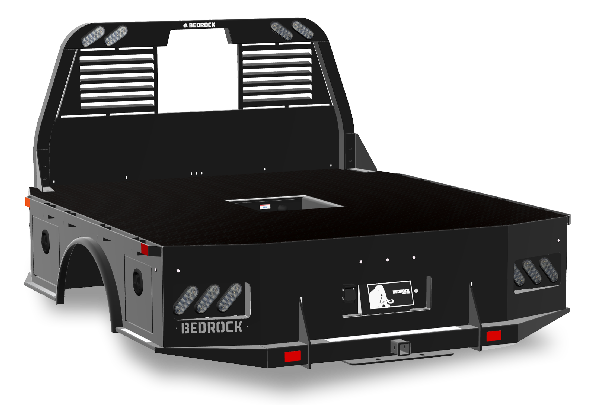
What are the pros and cons of each accessory type?
Answer: Each accessory—ramps, tie‑downs, toolboxes, and liners—offers distinct benefits and trade‑offs, and choosing the right mix depends on cargo type, route conditions, and budget.
Ramps
- Pros: Faster loading/unloading, adjustable length, weight‑rated for heavy equipment.
- Cons: Higher upfront cost, may require stricter height clearance on low bridges.
Tie‑Downs
- Pros: Versatile across cargo sizes, quick‑release ratchets increase crew efficiency.
- Cons: Webbing can degrade in UV exposure; must be inspected regularly.
Toolboxes
- Pros: Secure storage for tools, reduces theft risk, can be mounted on side rails.
- Cons: Adds weight to the vehicle; limited interior space if not modular.
Bed Liners
- Pros: Protects deck from dents, corrosion, and rain; improves traction for cargo.
- Cons: Installation can be messy; cheap liners may delaminate after a few seasons.
Which accessory package is best for my fleet?
Answer: Use the three‑step Decision Framework: 1) Identify cargo profile, 2) Match load‑rating needs, 3) Balance upfront cost vs. long‑term ROI.
Decision Checklist
- Cargo weight: > 8,000 lb per load → prioritize high‑load ramps & reinforced tie‑downs.
- Frequency of loading: > 4 loads/day → choose quick‑release systems (e.g., Diamond’s patented clamps).
- Operating environment: Coastal, salty air → select powder‑coat or marine‑grade finishes.
- Security concerns: High‑value equipment → invest in lockable toolboxes and tamper‑proof tie‑downs.
- Budget constraints: ≤ $1,500 per truck → consider hybrid kits—Diamond ramps with generic tie‑downs.
For most mid‑size fleets (10‑30 trucks), the Diamond Complete Kit provides the highest ROI: the lighter weight improves fuel economy (~0.3 % per 1,000 lb saved) and the 5‑year warranty reduces replacement costs.
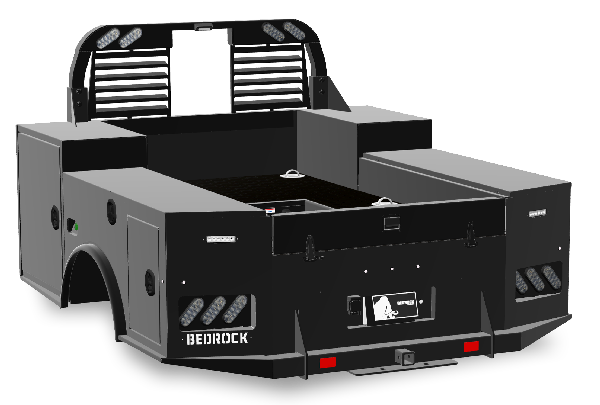
Common mistakes when selecting flatbed accessories
Answer: New fleet managers often over‑specify weight capacity, ignore regulatory limits, or choose the cheapest option, leading to premature wear, safety hazards, and higher total cost of ownership.
- Ignoring FMCSA height & weight limits – Installing extra‑tall racks can cause violations on state bridges.
- Choosing low‑grade webbing – UV‑degraded tie‑downs lose up to 40 % strength after two years.
- Skipping the warranty review – Generic accessories often lack comprehensive coverage, resulting in hidden expenses.
- Failing to plan for future upgrades – Modular systems like Diamond allow easy add‑ons; static kits lock you into a single configuration.
How to install and maintain your accessories for maximum ROI
Answer: Proper installation—following Bedrock’s bolt‑torque specs (M12 × 1.75, 85 Nm) and periodic maintenance—extends service life and keeps you compliant with FMCSA cargo‑securement rules.
Installation Tips
- Use Bedrock‑provided quick‑release clamps to avoid drilling into the deck.
- Torque all fasteners with a calibrated wrench; over‑tightening can warp aluminum.
- Apply a thin layer of marine‑grade silicone sealant at all joint interfaces to prevent water ingress.
Maintenance Checklist (Quarterly)
- Inspect ramps for dents or bends; replace if load rating drops.
- Test tie‑down ratchets for smooth operation; lubricate moving parts.
- Check toolbox locks for corrosion; replace seals as needed.
- Clean bed liner with mild detergent; re‑apply UV‑protective coating every 3 years.
Following these steps reduces unscheduled downtime by up to 15 % according to a 2025 study by the Council of Freight Organizations.
Why choose Bedrock Truckbeds for your commercial flatbed accessories?
Answer: Bedrock combines American manufacturing, patented modular designs, and a 5‑year warranty, delivering accessories that meet or exceed FMCSA and DOT standards while boosting fleet profitability.
- U.S.–Made Quality: All components are CNC‑machined in the U.S., ensuring tight tolerances.
- Modular Flexibility: Swap ramps, tie‑downs, or toolboxes without returning to the shop.
- Customer Support: Dedicated fleet managers provide on‑site fitting assistance.
Explore the full lineup of Commercial truck flatbed accessories to see how Bedrock can upgrade your operation.
Frequently Asked Questions
Answer: Below are concise answers to the most common questions about commercial truck flatbed accessories.
1. What is the average lifespan of a Bedrock Diamond ramp?
- With regular maintenance, a Diamond ramp can last 10 + years, far surpassing the 5‑year average of standard steel ramps.
2. Are Bedrock accessories compatible with all flatbed brands?
- Yes. The Diamond series uses universal mounting plates that fit most OEM decks, including Freightliner, Kenworth, and Volvo.
3. Can I install the accessories myself?
- Absolutely. Each kit includes a step‑by‑step guide; most installations take under an hour with basic hand tools.
4. How do I verify that my tie‑downs meet FMCSA requirements?
- Look for a label showing a Working Load Limit (WLL) of at least 5,000 lb and compliance with 49 CFR 393.100‑2(b).
5. Do Bedrock bed liners affect truck fuel efficiency?
- The lightweight polyurethane liner reduces deck weight by up to 15 lb, translating to a modest fuel saving of ~0.2 % per 1,000 lb reduced.
6. What warranty does Bedrock offer on its accessories?
- A 5‑year limited warranty covering rust, structural failure, and coating defects.
7. How often should I replace my tie‑down webbing?
- Inspect quarterly; replace if frayed, UV‑cracked, or if the WLL drops below the original rating.
8. Are there financing options for bulk purchases?
- Bedrock works with several commercial lenders to offer volume‑discount financing; contact sales for a custom quote.
Interested in learning more?
Visit our website to explore products, find dealers, and get in touch.
Visit Bedrock Truck Beds →