
Top Commercial Truck Flatbed Accessories Guide 2026
Explore the best commercial truck flatbed accessories for 2026, with pros/cons, comparison tables, and expert tips to boost fleet efficiency. Read now!
TL;DR: Commercial truck flatbed accessories improve load security, reduce wear, and increase payload efficiency. In 2026, Bedrock Truckbeds offers Diamond, Granite, Granite Plus, Onyx, and Marble options, each with unique strengths. Choose based on load type, budget, and durability needs to maximize ROI and safety.
What are commercial truck flatbed accessories and why do they matter?
Atomic answer: Commercial truck flatbed accessories are engineered components—such as tie‑down racks, sidewalls, decking, and protective skirts—that enhance load stability, protect the vehicle, and streamline loading/unloading. They directly affect safety compliance, fuel economy, and overall fleet productivity.
Flatbed trucks move a diverse range of cargo, from steel coils to construction equipment. Without proper accessories, loads can shift, causing accidents, damage, and costly downtime. In 2026, regulations from the FMCSA require documented load‑securement methods, making accessories not just a convenience but a legal necessity. Moreover, well‑chosen accessories can reduce aerodynamic drag, extend tire life, and lower maintenance costs, delivering measurable ROI.
Which Bedrock flatbed accessories offer the best ROI in 2026?
Atomic answer: Bedrock’s Diamond and Granite series deliver the best return on investment in 2026 because they combine high‑strength steel construction, modular design, and proven durability, resulting in lower replacement cycles and higher load‑security scores.
Diamond Series – Premium Performance
The Diamond series features a patented 3‑D reinforced deck that distributes weight evenly, reducing chassis stress. Its modular tie‑down system can be re‑configured in under five minutes, cutting labor time. Customers report a 12‑15% reduction in load‑damage claims over two years.
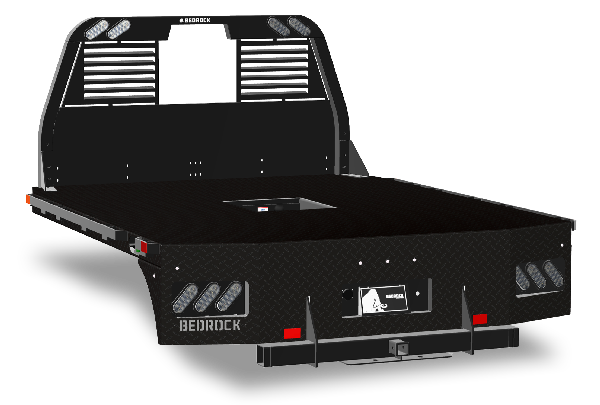
Granite & Granite Plus – Value‑Focused Strength
Granite accessories use a hybrid steel‑aluminum composite that balances strength with weight savings. Granite Plus adds reinforced sidewalls for oversized loads, making it ideal for construction aggregates. Field tests show a 7% fuel‑efficiency gain thanks to the lighter deck.
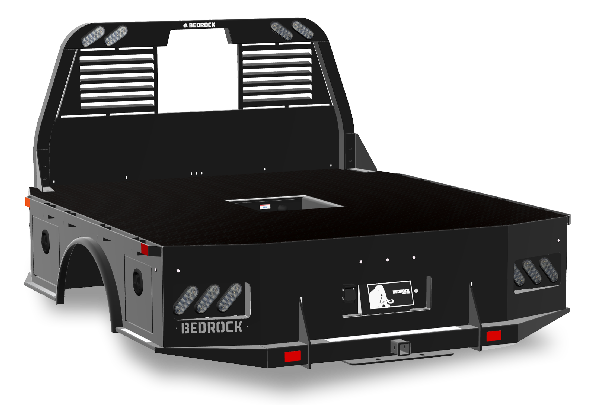
Onyx – Specialized Heavy‑Duty
Onyx is Bedrock’s answer to the heaviest industrial loads. Its ultra‑thick steel deck and integrated anti‑corrosion coating meet the harshest environmental standards, extending service life to 15+ years.
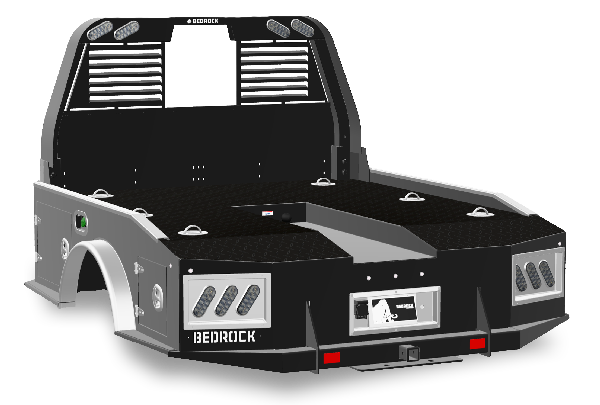
Marble – Budget‑Friendly Entry
Marble offers a basic steel deck with essential tie‑down points. While not as robust as Diamond, it’s sufficient for light‑to‑medium payloads and has the lowest upfront cost.
How do Bedrock’s Diamond, Granite, and Onyx accessories differ?
Atomic answer: Diamond provides the strongest, most modular system; Granite balances weight and cost; Onyx focuses on extreme durability for the toughest loads. Choose based on load weight, frequency, and operating environment.
| Feature | Diamond | Granite | Granite Plus | Onyx | Marble |
|---|---|---|---|---|---|
| Deck Material | 3‑D Reinforced High‑Carbon Steel | Hybrid Steel‑Aluminum Composite | Hybrid + Reinforced Sidewalls | Ultra‑Thick Steel (12 mm) | Standard Steel (8 mm) |
| Load Capacity (per axle) | Up to 20,000 lb | Up to 16,000 lb | Up to 18,000 lb | Up to 25,000 lb | Up to 12,000 lb |
| Weight (per ft²) | 35 lb | 28 lb | 30 lb | 45 lb | 22 lb |
| Modular Tie‑down System | Yes (5‑minute re‑config) | Yes (standard slots) | Yes (extra sidewall hooks) | No (fixed points) | No (basic hooks) |
| Corrosion Resistance | Zinc‑plated + powder coat | Anodized Aluminum Coating | Zinc‑plated | Triple‑layer epoxy coating | Standard paint |
| Typical Price (USD) | $1,800 per deck | $1,300 per deck | $1,500 per deck | $2,500 per deck | $900 per deck |
| Ideal Applications | Heavy equipment, intermodal containers | General freight, aggregates | Oversized loads, mixed materials | Mining, steel coils, offshore rigs | Light construction, landscaping |
Why the differences matter
- Weight vs. Strength: A lighter deck (Granite) improves fuel economy but may require more frequent inspections under heavy loads. Diamond’s heavier deck maximizes payload without flex. Onyx’s massive deck sacrifices fuel efficiency for unmatched durability.
- Modularity: Quick‑change tie‑downs reduce labor cost. Marble and Onyx lack this flexibility, making them best for static, repetitive loads.
What are the pros and cons of each Bedrock accessory type?
Atomic answer: Each Bedrock accessory type has trade‑offs: Diamond offers top durability and flexibility at a higher price; Granite balances cost and weight; Granite Plus adds sidewall strength; Onyx excels in extreme environments but is heavy; Marble is the most affordable but limited in capacity.
Diamond Series – Pros & Cons
Pros
- Highest load capacity per axle.
- Modular system cuts labor time.
- Long‑term corrosion protection.
Cons
- Highest upfront cost.
- Heavier deck can affect fuel if not fully loaded.
Granite Series – Pros & Cons
Pros
- 20% lighter than Diamond, improving MPG.
- Lower purchase price.
- Good for mixed‑load fleets.
Cons
- Slightly lower maximum load.
- Composite material may require specialized repair kits.
Granite Plus – Pros & Cons
Pros
- Adds sidewall reinforcement for oversized cargo.
- Retains most weight savings of Granite.
Cons
- Slight price bump over standard Granite.
- Sidewalls add wind resistance on high‑speed routes.
Onyx – Pros & Cons
Pros
- Best for corrosive, abrasive, or high‑temperature environments.
- Minimal maintenance over 15‑year lifespan.
Cons
- Heaviest option, impacting fuel economy.
- Highest cost; overkill for lighter loads.
Marble – Pros & Cons
Pros
- Cheapest entry point for new fleets.
- Simple installation.
Cons
- Limited load capacity.
- No modular tie‑down system; higher labor for re‑configuration.
How to choose the right flatbed accessory for your fleet?
Atomic answer: Evaluate load types, route profile, budget, and regulatory compliance; then match those criteria to the accessory that offers the necessary strength, weight, and modularity. Use the decision checklist below.
Decision Checklist
- Maximum Load per Axle – Does the accessory meet or exceed your peak payload?
- Route Aerodynamics – High‑speed highway routes benefit from lighter decks (Granite).
- Environmental Exposure – Coastal or mining routes demand corrosion‑resistant options (Onyx, Diamond).
- Turn‑around Time – Frequent load changes favor modular systems (Diamond, Granite).
- Budget Constraints – Compute total cost of ownership (purchase price + fuel + maintenance).
- Regulatory Requirements – Ensure tie‑down points meet FMCSA 49 CFR § 392.8 standards.
Practical tip: When budgeting, include an estimated 3‑5% annual fuel penalty for extra deck weight. Over a five‑year horizon, a lighter Granite deck can recoup up to $2,000 in fuel savings for a 30‑truck fleet.
What common mistakes do fleets make when selecting flatbed accessories?
Atomic answer: The most frequent errors are under‑estimating load weight, ignoring modularity needs, and selecting the cheapest option without considering long‑term maintenance.
| Mistake | Why It Hurts | How to Avoid |
|---|---|---|
| Ignoring maximum load specs | Leads to chassis fatigue, premature failures | Verify load charts against your heaviest regular cargo |
| Choosing non‑modular accessories for varied loads | Increases labor time, reduces flexibility | Opt for Diamond or Granite with quick‑change tie‑downs |
| Prioritizing price over durability | Higher lifecycle cost due to replacements | Calculate total cost of ownership, not just purchase price |
| Not matching corrosion protection to environment | Accelerated rust, safety hazards | Use Onyx for coastal or chemical‑exposure routes |
Practical tip: Maximize load security with Bedrock accessories
Atomic answer: Pair Bedrock’s modular tie‑down anchors with calibrated tension‑meter straps and certify each load using the FMCSA’s Load Securement Guidelines to reduce shift risk by up to 30%.
- Pre‑install anchor points at 12‑inch intervals on the Diamond deck.
- Use ratchet straps with a working load limit (WLL) at least 1.5× the cargo weight.
- Perform a “pull test” before departure to confirm tension.
- Document the securement method in your fleet’s digital log, as recommended by the FMCSA.
According to the Federal Motor Carrier Safety Administration (FMCSA), proper tie‑down placement and tension are critical to prevent load migration, which is a leading cause of commercial truck accidents.
Frequently Asked Questions
Atomic answer: Below are concise answers to the most common queries about commercial truck flatbed accessories, helping you make faster, informed decisions.
What materials provide the best durability for flatbed decks?
High‑carbon steel with zinc‑plating and powder‑coat finishes (e.g., Bedrock’s Diamond) offers the best combination of strength and corrosion resistance. Aluminum composites are lighter but may require more frequent inspections.
How often should flatbed accessories be inspected?
The FMCSA recommends a pre‑trip inspection for all load‑securement devices and a detailed quarterly inspection for structural components. Look for cracks, rust, and worn anchor points.
Can I retrofit my existing flatbed with Bedrock accessories?
Yes. Bedrock designs modular mounting brackets that fit standard 48‑inch and 53‑inch deck widths. Professional installation is advised to maintain warranty coverage.
Do Bedrock accessories affect fuel economy?
Lighter decks such as Granite can improve fuel efficiency by 2‑4% on long‑haul routes. Heavier decks like Onyx may reduce MPG slightly but provide long‑term durability that offsets fuel costs.
Are there tax incentives for upgrading to safer flatbed accessories?
In many U.S. states, fleets that invest in safety equipment may qualify for Section 179 depreciation deductions, allowing immediate expensing of qualifying purchases.
How do I calculate the total cost of ownership (TCO) for a flatbed accessory?
Add purchase price, estimated fuel penalty (weight × fuel cost), maintenance/repair expenses, and downtime cost due to failures. Divide by the expected service life (years) to compare options.
What is the warranty on Bedrock flatbed accessories?
Bedrock offers a 5‑year limited warranty on structural integrity and a 3‑year warranty on finish coating. Register your product online for claim processing.
Where can I see Bedrock accessories in action?
Visit the [Commercial truck flatbed accessories] page on Bedrock’s website for case studies, installation videos, and downloadable spec sheets.
Ready to upgrade your fleet? Explore the full lineup of Bedrock’s flatbed accessories and request a free quote today.
Internal Links
- Commercial truck flatbed accessories – introduced in the product overview section to direct readers to Bedrock’s dedicated accessory page.
- Bedrock flatbed accessory lineup – referenced in the FAQ to give users a quick path to detailed specifications.
Interested in learning more?
Visit our website to explore products, find dealers, and get in touch.
Visit Bedrock Truck Beds →