
Commercial Truck Flatbed Accessories: Complete Buyer's Guide
Discover essential commercial truck flatbed accessories to maximize efficiency and safety. Compare features, prices, and find the best solutions for your fleet.
TL;DR: Commercial truck flatbed accessories include tie-down systems, toolboxes, headache racks, and bed liners that enhance cargo security, organization, and vehicle protection. Essential accessories vary by industry but focus on safety compliance and operational efficiency.
What Are the Most Essential Commercial Truck Flatbed Accessories?
The most critical commercial truck flatbed accessories focus on cargo security, driver safety, and operational efficiency. Essential accessories include tie-down systems, headache racks, toolboxes, and protective bed surfaces that meet DOT regulations while maximizing productivity for commercial operations.
When outfitting a commercial flatbed truck, the accessory selection directly impacts both compliance and profitability. Professional drivers and fleet managers need accessories that withstand daily abuse while providing reliable performance across various weather conditions and cargo types.
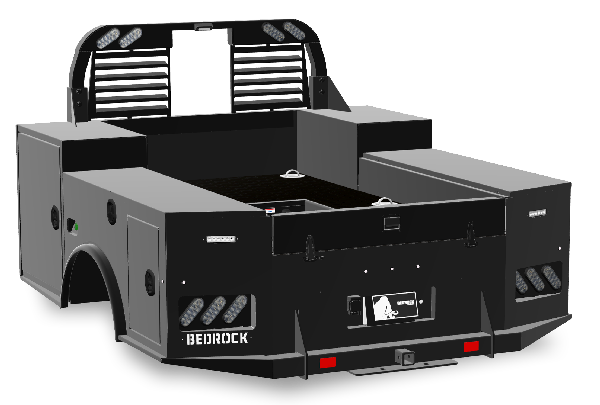
The foundation of any commercial flatbed setup starts with the bed itself. Premium manufacturers like Bedrock Truckbeds offer commercial truck flatbed accessories designed specifically for heavy-duty applications, ensuring long-term durability and maximum return on investment.
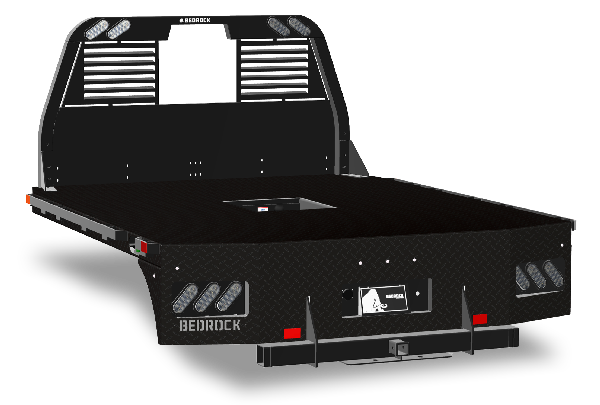
Tie-Down and Securement Systems
Cargo securement represents the most critical safety component for commercial flatbed operations. According to the Federal Motor Carrier Safety Administration, improper cargo securement causes thousands of accidents annually, making quality tie-down systems essential.
Modern tie-down systems include:
- D-ring tie-down points rated for specific weight limits
- Ratchet straps with working load limits clearly marked
- Chain binders for heavy machinery transport
- Winch systems for oversized loads
- Edge protection to prevent strap damage
The key specification to consider is the Working Load Limit (WLL), which must meet or exceed cargo weight requirements. Professional-grade D-rings typically offer WLL ratings between 5,000-15,000 pounds, depending on mounting configuration.
Storage and Organization Solutions
Efficient storage solutions reduce loading time and improve job site organization. Commercial flatbed toolboxes serve multiple functions beyond simple storage, often incorporating additional tie-down points and work surfaces.
Primary storage options include:
- Underbody toolboxes for weather protection
- Side-mount toolboxes for easy access
- Headache rack integrated storage
- Removable cargo containers
- Specialty holders for common tools
Which Headache Rack Configuration Works Best for Different Industries?
Headache rack selection depends on cargo type, visibility requirements, and additional accessory mounting needs. Solid racks provide maximum protection for heavy materials, while mesh designs offer better visibility for lighter cargo applications requiring frequent monitoring.
Construction and heavy equipment transport benefit from solid aluminum or steel headache racks that can withstand impact from shifting loads. These racks typically feature 3,000-5,000 pound impact resistance ratings and integrate mounting points for additional lighting systems.
Landscaping and agricultural operations often prefer mesh headache racks that maintain visibility while providing adequate protection. These designs allow airflow for plant materials while preventing cargo from entering the cab area.
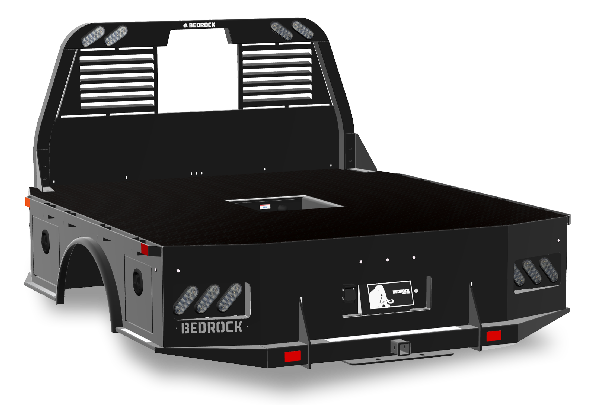
Headache Rack Material Comparison
| Material | Weight (lbs) | Impact Rating | Cost Range | Durability |
|---|---|---|---|---|
| Aluminum | 75-120 | 3,000-4,000 lbs | $800-1,200 | Excellent |
| Steel | 120-180 | 4,000-5,000 lbs | $600-1,000 | Very Good |
| Stainless Steel | 90-140 | 3,500-4,500 lbs | $1,200-1,800 | Outstanding |
| Composite | 60-100 | 2,500-3,500 lbs | $900-1,400 | Good |
How Do You Choose the Right Flatbed Surface Material?
Flatbed surface material selection impacts cargo protection, maintenance requirements, and operational costs over the vehicle's lifespan. Steel surfaces offer maximum durability for heavy loads, while aluminum provides weight savings and corrosion resistance for regional operations.
Steel flatbeds excel in construction and heavy hauling applications where impact resistance and load capacity take priority over weight considerations. These surfaces typically support 25,000-40,000 pound payloads while maintaining structural integrity under extreme conditions.
Aluminum flatbeds reduce overall vehicle weight by 400-800 pounds compared to steel equivalents, increasing payload capacity and fuel efficiency. The Aluminum Association reports that aluminum flatbeds can improve fuel economy by 2-4% in typical commercial applications.
Composite materials represent emerging technology in commercial flatbed construction, offering corrosion immunity and reduced weight while maintaining adequate strength for medium-duty applications.
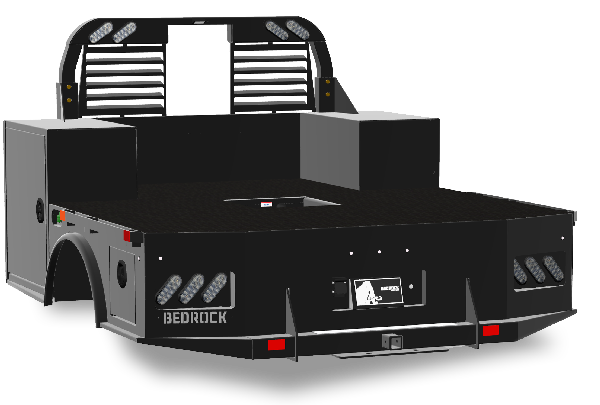
Surface Treatment Options
Protective surface treatments extend flatbed lifespan and reduce maintenance costs:
Diamond Plate Surfaces: Provide excellent traction and moderate protection against cargo damage. The raised pattern distributes load forces while offering secure footing for loading operations.
Smooth Steel with Coatings: Powder coating or galvanizing treatments prevent corrosion while maintaining easy cargo sliding characteristics. These surfaces work well for palletized loads and materials requiring smooth surfaces.
Rubberized Surfaces: Rubber mats or spray-on coatings protect both cargo and bed surfaces while providing superior grip. These treatments reduce noise and prevent load shifting during transport.
What Lighting and Electrical Accessories Are Required?
Commercial flatbed lighting requirements exceed standard pickup truck needs due to wider loads and regulatory compliance demands. Essential lighting includes clearance lights, identification lights, and auxiliary work lights that meet DOT specifications for commercial vehicle operation.
Federal regulations require specific lighting configurations for vehicles exceeding 80 inches in width. Side marker lights, clearance lights, and reflective tape placement must comply with FMVSS 108 standards to avoid citations and ensure safety.
Modern LED lighting systems offer significant advantages over traditional incandescent options:
- 50,000+ hour lifespan vs. 1,000 hours for incandescent
- 75% reduction in power consumption
- Instant illumination without warm-up time
- Superior visibility in adverse weather conditions
- Reduced heat generation and fire risk
Work Light Placement Strategies
Strategic work light placement improves loading efficiency and job site safety. Key mounting locations include:
- Rear corners for backing assistance
- Side positions for loading operations
- Headache rack mounting for forward illumination
- Underbody positions for ground lighting
Light output should range from 3,000-6,000 lumens per fixture for adequate illumination in commercial applications. Spot beam patterns work best for distance lighting, while flood patterns illuminate wider work areas.
Which Accessories Provide the Best ROI for Fleet Operations?
Return on investment analysis reveals that cargo securement systems, protective surfaces, and organizational accessories deliver the highest value through reduced damage claims, improved efficiency, and extended vehicle lifespan.
Cargo securement systems prevent load shifts that cause accidents, vehicle damage, and expensive citations. Quality tie-down systems typically pay for themselves within 6-12 months through reduced insurance claims and regulatory compliance.
Protective bed surfaces like those offered in the Quad Granite Flatbed series prevent costly bed replacement while maintaining professional appearance. These surfaces resist denting, scratching, and corrosion that reduce resale value and require frequent repairs.
Organizational accessories reduce loading time and improve job efficiency. Professional drivers report 15-30 minute time savings per job when proper storage and organization systems are installed.
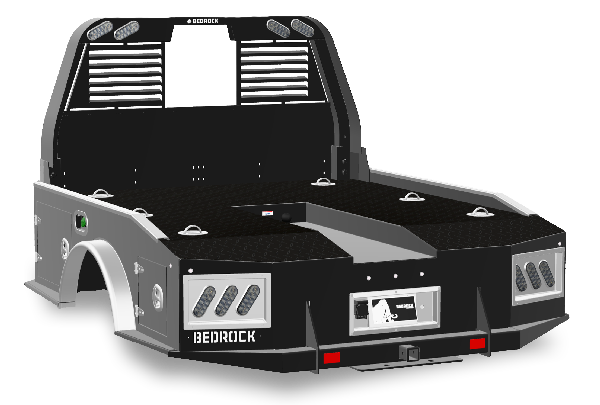
Common ROI Mistakes Fleet Managers Make
Many fleet managers focus solely on initial purchase price rather than total cost of ownership. This approach often results in:
Choosing Low-Grade Materials: Cheap accessories require frequent replacement and cause additional downtime. Premium accessories cost 20-40% more initially but last 3-5 times longer.
Ignoring Weight Considerations: Heavy accessories reduce payload capacity, requiring additional trips and increasing fuel costs. Each 100 pounds of unnecessary weight costs approximately $200-300 annually in fuel and opportunity costs.
Overlooking Integration: Accessories that don't work together create inefficiencies and require duplicate investments. Comprehensive system planning reduces total costs and improves functionality.
How Do Weather and Environmental Factors Affect Accessory Selection?
Regional climate conditions significantly impact accessory material choices, maintenance requirements, and performance expectations. Coastal operations require corrosion-resistant materials, while extreme temperature regions need accessories rated for thermal expansion and contraction.
Salt exposure from coastal environments or winter road treatments accelerates corrosion in steel components. Stainless steel or aluminum accessories provide superior longevity in these conditions, despite higher initial costs.
Temperature extremes affect material properties and operational characteristics:
- Rubber components become brittle below -20°F
- Aluminum expands significantly in high heat
- Steel contracts substantially in extreme cold
- Hydraulic systems require temperature-rated fluids
Regional Accessory Recommendations
Coastal/High Salt Areas:
- Stainless steel or aluminum construction
- Marine-grade electrical connections
- Sacrificial zinc anodes for steel components
- Regular fresh water washing systems
Desert/High Heat Regions:
- Heat-reflective surface coatings
- Upgraded cooling systems for hydraulics
- UV-resistant rubber components
- Thermal expansion joints in rigid accessories
Northern/Cold Climate Areas:
- Cold-weather hydraulic fluids
- Heated component options
- De-icing systems for critical areas
- Flexible materials rated for low temperatures
What Are the Latest Technology Trends in Flatbed Accessories?
Emerging technologies focus on automation, remote monitoring, and integration with fleet management systems. Smart accessories provide real-time data on cargo status, vehicle condition, and operational efficiency metrics.
Telematics integration allows remote monitoring of:
- Cargo securement system status
- Load distribution and weight
- Accessory condition and maintenance needs
- Operational efficiency metrics
Automated Securement Systems: Hydraulic and electric tie-down systems reduce securement time and ensure consistent tension application. These systems typically cost 3-5 times more than manual alternatives but improve efficiency and compliance.
Smart Load Monitoring: Weight sensors and load distribution monitors prevent overloading and ensure proper cargo placement. Real-time feedback helps drivers optimize loading patterns and maintain regulatory compliance.
Future Technology Developments
Industry experts predict several technological advances for 2026 and beyond:
Autonomous Loading Systems: Robotic systems that position and secure cargo without human intervention are under development for high-volume applications.
Predictive Maintenance: AI-powered systems that predict accessory failure before breakdowns occur, reducing unplanned downtime.
Integrated Safety Systems: Accessories that communicate with vehicle safety systems to prevent accidents caused by cargo issues.
Maintenance and Longevity Considerations
Proper maintenance extends accessory lifespan and maintains safety compliance throughout the vehicle's service life. Regular inspection schedules should address wear points, corrosion areas, and operational functionality.
Daily inspections should include:
- Visual examination of tie-down points for cracks or deformation
- Strap and chain condition assessment
- Lighting system functionality check
- Hydraulic system leak inspection
- Storage compartment security verification
Monthly maintenance should address:
- Lubrication of moving components
- Torque specification verification for mounting bolts
- Electrical connection cleaning and protection
- Surface coating condition assessment
- Replacement of worn consumable items
Cost-Effective Maintenance Strategies
Preventive maintenance costs significantly less than emergency repairs and reduces operational disruptions. Establishing maintenance partnerships with local service providers ensures consistent care and bulk pricing advantages.
Component lifecycle planning allows strategic replacement before failure occurs. Most commercial flatbed accessories follow predictable wear patterns that enable proactive maintenance scheduling.
Maintaining detailed service records supports warranty claims and provides valuable data for future purchase decisions. Digital maintenance logs integrate with fleet management systems for automated scheduling and compliance tracking.
Regulatory Compliance and Safety Standards
Commercial flatbed accessories must comply with federal, state, and local regulations governing commercial vehicle operation. Understanding applicable standards prevents costly violations and ensures operational safety.
Key regulatory areas include:
- DOT cargo securement requirements (49 CFR Part 393)
- Commercial vehicle lighting standards (FMVSS 108)
- Weight distribution regulations
- Hazardous material transport requirements
- State-specific oversize load regulations
Compliance costs pale in comparison to violation penalties, which can range from $1,000-$10,000 per incident depending on severity and jurisdiction.
Documentation Requirements
Proper documentation supports regulatory compliance and provides legal protection:
- Accessory specification sheets and certifications
- Installation records and torque specifications
- Maintenance logs and inspection reports
- Training records for operators and maintenance staff
- Compliance audit trails for regulatory reviews
Frequently Asked Questions
What is the average lifespan of commercial flatbed accessories?
Quality commercial flatbed accessories typically last 5-10 years with proper maintenance. Tie-down hardware may need replacement every 3-5 years, while structural components like headache racks can last the vehicle's lifetime.
How much should I budget for a complete commercial flatbed accessory package?
Complete accessory packages range from $3,000-$8,000 depending on specifications and quality level. Premium systems with advanced features may cost $10,000-$15,000 but provide superior durability and functionality.
Are aftermarket accessories as reliable as OEM options?
High-quality aftermarket accessories often exceed OEM performance while offering better customization options. Research manufacturer reputation, warranty terms, and user reviews when selecting aftermarket solutions.
What accessories are required for DOT compliance?
DOT compliance requires adequate tie-down points, proper lighting, and reflective markings. Specific requirements vary by vehicle size and cargo type, so consult current regulations for your application.
How do I calculate the right number of tie-down points?
Tie-down requirements depend on cargo weight and type. Generally, cargo under 5,000 pounds needs two tie-downs, while heavier loads require additional securement points based on weight and length.
Can I install commercial flatbed accessories myself?
Basic accessories like toolboxes and lighting can be self-installed with proper tools and knowledge. Structural modifications like headache racks should be professionally installed to ensure safety and warranty compliance.
What's the difference between working load limit and breaking strength?
Working Load Limit (WLL) represents safe operating capacity, typically 1/3 of breaking strength. Always use WLL ratings for securement calculations, never breaking strength values.
How often should I inspect my flatbed accessories?
Daily pre-trip inspections should include accessory checks. Comprehensive monthly inspections ensure optimal performance and identify potential issues before they become safety hazards.
Interested in learning more?
Visit our website to explore products, find dealers, and get in touch.
Visit Bedrock Truck Beds →