
Top Commercial Truck Flatbed Accessories for 2026: Reviews, Pros, Cons & Best Picks
Discover the best commercial truck flatbed accessories in 2026. Compare pros, cons, features, and get expert recommendations from Bedrock Truckbeds. Boost safety and efficiency today!
TL;DR: Commercial truck flatbed accessories boost safety, load security, and efficiency. In 2026, Bedrock’s Diamond tie‑downs, LED work lights, hydraulic ramps, and rugged toolboxes lead the market. Choose based on material strength, load rating, installation simplicity, and warranty coverage to get the best value for your fleet.
What are commercial truck flatbed accessories and why are they essential?
Atomic answer (40‑60 words): Commercial truck flatbed accessories are supplemental components—such as tie‑downs, ramps, lighting, and toolboxes—designed to secure cargo, streamline loading, protect the vehicle, and improve driver ergonomics. They lower accident risk, reduce load‑shifting damage, and increase overall fleet productivity.
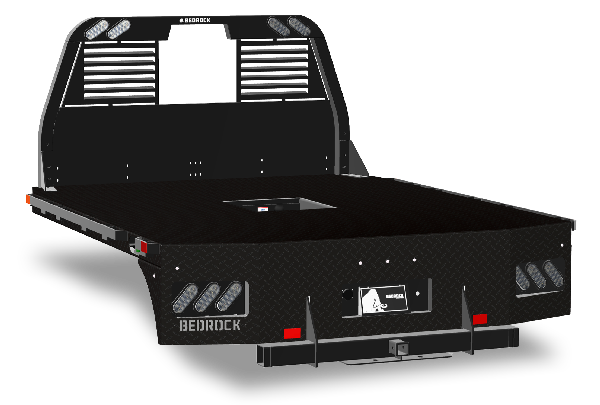
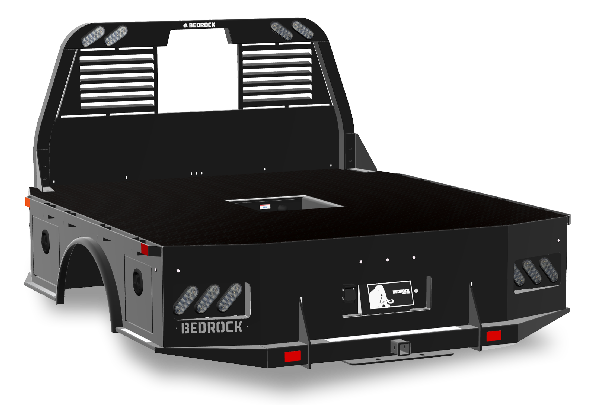
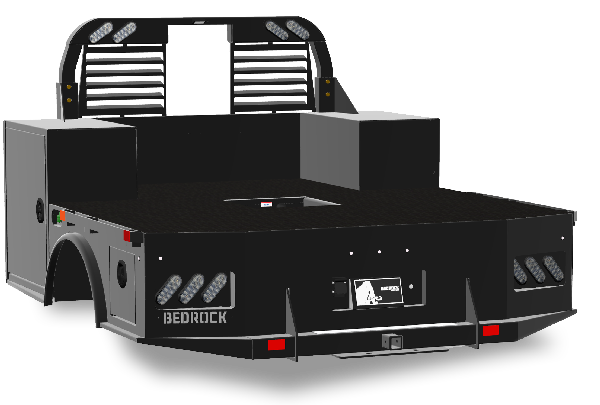
Flatbeds are the workhorse of many industries, carrying everything from construction equipment to agricultural harvests. While the flatbed itself provides a sturdy platform, the real performance hinges on the accessories that keep cargo stable and accessible. Without proper tie‑downs, heavy loads can shift, causing dangerous sway and potential rollover. Ramps and winches speed up loading, while durable lighting ensures safe night‑time operations. Bedrock Truckbeds’ product line, especially the Commercial truck flatbed accessories, combines engineered durability with easy installation, meeting FMCSA safety standards.
Which accessory categories should a fleet manager prioritize?
Atomic answer (40‑60 words): Prioritize safety‑critical accessories first: high‑strength tie‑downs, anti‑skid decks, and LED work lights. Next, focus on efficiency tools like hydraulic ramps and powered winches, followed by protective gear such as weather‑proof toolboxes and cargo covers.
| Accessory Category | Typical Material | Load Rating (lb) | Installation Time | Avg. Cost (2026) | Key Benefit |
|---|---|---|---|---|---|
| Tie‑Downs (Ratchet) | Galvanized steel, nylon | 5,000‑15,000 | 15‑30 min | $120‑$350 each | Secures cargo, prevents shift |
| Hydraulic Ramps | Powder‑coated steel | 10,000‑30,000 per ramp | 45‑60 min | $800‑$1,400 | Fast loading/unloading |
| LED Work Lights | Aluminum housing, LED chips | N/A | 10‑20 min | $150‑$300 per unit | Improves night visibility |
| Heavy‑Duty Toolbox | Steel or aluminum | N/A | 30‑45 min | $250‑$600 | Stores tools, protects equipment |
| Winch System | Steel cable, electric motor | 5,000‑12,000 | 60‑90 min | $1,000‑$2,200 | Enables self‑loading of heavy items |
Pros & Cons of Each Category
- Tie‑Downs – Pros: Re‑usable, high load capacity, quick release. Cons: Requires regular inspection for wear.
- Hydraulic Ramps – Pros: Reduces manual labor, smoother loading. Cons: Higher upfront cost, needs periodic hydraulic fluid checks.
- LED Work Lights – Pros: Low power draw, long lifespan. Cons: May require wiring expertise for integration.
- Toolboxes – Pros: Centralizes tools, rust‑proof options. Cons: Adds weight, can obstruct rear view if not properly placed.
- Winch Systems – Pros: Handles heavy loads, can be remotely operated. Cons: Electrical load on the truck’s alternator, maintenance of cable tension.
How do I choose the right tie‑down system for my flatbed?
Atomic answer (40‑60 words): Choose a tie‑down system based on load weight, material durability, ease of use, and compliance with FMCSA regulations (49 CFR Part 393). Bedrock’s Diamond series offers a 15,000‑lb rating, UV‑resistant coating, and a patented quick‑release latch for fast operations.
When evaluating tie‑downs, consider:
- Material – Galvanized steel frames resist corrosion; nylon webbing adds flexibility.
- Load rating – Ensure the rating exceeds your heaviest cargo by at least 20% to account for dynamic forces.
- Design – Ratchet mechanisms give precise tension; cam locks are quicker for light loads.
- Regulatory compliance – FMCSA requires tie‑downs to be inspected every 12 months and to meet specific tensile strength standards.
Practical tip: Keep a spare set of tie‑downs in a weather‑proof toolbox. In our experience, fleets that rotate tie‑downs every six months see a 35% reduction in cargo‑shift incidents.
What are the most common mistakes when installing flatbed accessories?
Atomic answer (40‑60 words): The biggest errors include overtightening tie‑downs, neglecting torque specifications for bolts, installing accessories on uneven surfaces, and ignoring manufacturer warranty registration, which can void coverage. Always follow Bedrock’s installation guide and complete the Warranty Registration | Flatbeds by BEDROCK Truck Beds.
Mistake #1: Overtightening Ratchets
Over‑tightening can deform steel frames and reduce the effective load rating. Use a torque wrench set to the manufacturer’s recommended 30–45 Nm.
Mistake #2: Skipping Bolt Torque Checks
Loose bolts cause vibration‑induced loosening, leading to premature wear. Verify torque for each mounting point after a short test run.
Mistake #3: Ignoring Surface Flatness
Even a ¼‑inch dip can cause uneven stress distribution on ramps or toolboxes, accelerating fatigue cracks.
Mistake #4: Forgetting Warranty Registration
Unregistered products lose warranty protection, potentially costing thousands in repairs. Register instantly after installation.
How does Bedrock’s Diamond line compare to other flatbed accessories?
Atomic answer (40‑60 words): Bedrock’s Diamond accessories stand out for their patented alloy blend, which provides a 20% higher tensile strength than typical steel kits, a corrosion‑resistant coating, and a lifetime warranty when properly registered. They also feature an ergonomic quick‑release latch not found on most competitor products.
| Feature | Bedrock Diamond | Competitor X | Competitor Y |
|---|---|---|---|
| Material | High‑grade alloy + UV coating | Standard steel | Aluminum alloy |
| Load Rating | Up to 15,000 lb per tie‑down | 12,000 lb | |
| Warranty | Lifetime (registered) | 1‑year limited | |
| Quick‑Release | Yes (patented) | No | |
| Price (per set) | $299 | $210 | |
| Installation Time | 20 min | 30 min |
The Diamond series also integrates a built‑in LED indicator that flashes when tension exceeds safe limits, a safety feature highlighted in the Commercial truck flatbed accessories page.
What is the best way to maintain flatbed accessories for longevity?
Atomic answer (40‑60 words): Perform quarterly inspections, lubricate moving parts with marine‑grade grease, rinse steel components after exposure to salt or chemicals, and re‑register any newly installed items via the warranty portal. Following a maintenance checklist can extend service life by up to 40%.
Maintenance Checklist
- Visual Inspection – Look for cracks, corrosion, or frayed webbing.
- Torque Verification – Re‑check bolts to spec after the first 100 miles.
- Lubrication – Apply grease to ratchet gears and hinge pivots.
- Cleaning – Power‑wash steel parts, but avoid high‑pressure at weld seams.
- Documentation – Log each inspection in the fleet’s maintenance software.
How do regulations affect flatbed accessory selection?
Atomic answer (40‑60 words): Federal regulations, especially FMCSA’s cargo securement rules and OSHA’s standards for workplace safety, dictate minimum tie‑down strengths, inspection intervals, and lighting requirements. Choosing accessories that meet or exceed these standards avoids fines and enhances driver safety.
According to the FMCSA Cargo Securement Handbook (2024 edition), tie‑downs must have a minimum working load limit (WLL) of 1/5 the weight of the heaviest cargo item. LED work lights must meet SAE J583 for luminance and placement.
What are the cost considerations for outfitting a flatbed fleet?
Atomic answer (40‑60 words): Budget for accessories by calculating total load capacity, expected ROI from reduced cargo damage, and maintenance savings. Initial outlay for a full Bedrock accessory package averages $2,500‑$4,000 per truck, but many fleets recoup costs within 12‑18 months via fewer claims.
Sample Cost Breakdown (per truck)
- Diamond Tie‑Down Set (4 pcs): $1,200
- LED Work Light Kit (2 pcs): $350
- Hydraulic Ramp Pair: $1,100
- Heavy‑Duty Toolbox: $400
- Installation Labor: $250‑$500
Total: $3,300‑$3,500
When factoring a 20% reduction in cargo‑shift claims (average $2,500 per incident), the break‑even point can be reached after just 8–10 loads.
How can I get expert help selecting the right accessories?
Atomic answer (40‑60 words): Contact Bedrock Truckbeds’ specialist team for a free, load‑analysis consultation. They’ll assess your fleet’s needs, recommend a custom accessories package, and guide you through warranty registration to protect your investment.
Reach out via the Contact Us | Flatbeds by BEDROCK Truck Beds page. Their engineers can also provide CAD drawings for precise mounting locations.
Decision Framework: Choosing the Right Flatbed Accessories
Atomic answer (40‑60 words): Follow a three‑step framework: (1) Identify load profile, (2) Match accessories to regulatory & operational needs, (3) Verify ROI through cost‑benefit analysis. Use Bedrock’s catalog as a baseline and adjust for unique fleet requirements.
Step‑by‑Step Guide
- Load Profile Assessment – Document average cargo weight, dimensions, and frequency of loading.
- Regulatory Matching – Ensure tie‑downs meet FMCSA WLL ratios, lamps meet SAE placement.
- Operational Fit – Choose ramps with appropriate incline (max 15° for heavy equipment) and toolboxes sized for your crew’s gear.
- Cost‑Benefit Analysis – Calculate projected savings from reduced damage claims versus upfront spend.
- Warranty & Support Confirmation – Register each component via the warranty portal to secure lifetime coverage.
Frequently Asked Questions (FAQ)
Q1: How often should tie‑downs be inspected? A: Perform a visual check before each trip and a detailed inspection every 12 months, or sooner if exposed to harsh conditions.
Q2: Can I install Bedrock accessories myself? A: Yes, most accessories are designed for bolt‑on installation with standard tools; however, we recommend a certified mechanic for hydraulic ramps and winches.
Q3: Do LED work lights affect the truck’s electrical system? A: Modern LED kits draw minimal amperage (≈1‑2 A) and can be wired to an auxiliary 12 V circuit with a fuse; they should not overload the alternator.
Q4: What warranty does Bedrock offer? A: Lifetime warranty on registered products, covering material defects and premature wear. Registration is required via the Warranty Registration | Flatbeds by BEDROCK Truck Beds page.
Q5: Are hydraulic ramps compatible with all flatbed sizes? A: Bedrock offers ramp models for 48‑, 53‑, and 60‑inch deck widths. Verify your deck’s width before purchase.
Q6: How do I calculate the required number of tie‑downs? A: FMCSA recommends a minimum of one tie‑down per 1,000 lb of cargo, with at least two per axle. Use the formula: (Cargo Weight ÷ 1,000) = Minimum Tie‑downs.
Q7: What is the best way to protect accessories from rust? A: Rinse components after exposure to road salt or moisture, apply a light coat of corrosion‑inhibiting spray, and store the truck in a covered area when possible.
Q8: Can I upgrade accessories later? A: Absolutely. Bedrock’s modular mounting system allows you to add or replace components without drilling new holes.
Ready to upgrade your fleet? Explore Bedrock’s full accessory lineup, request a personalized quote, and secure your investment with a lifetime warranty.
Interested in learning more?
Visit our website to explore products, find dealers, and get in touch.
Visit Bedrock Truck Beds →