
Top Commercial Truck Flatbed Accessories: 2026 Comparison Guide
Explore the best commercial truck flatbed accessories for 2026. Compare features, pros and cons, pricing, and get expert recommendations from Bedrock Truckbeds.
TL;DR: Commercial truck flatbed accessories boost safety, efficiency, and payload protection. In 2026, choose durable materials, match accessories to your haul type, and consider Bedrock's Diamond, Granite, or Onyx lines for optimal ROI. Balance upfront cost with long‑term wear resistance and compliance requirements.
What Are Commercial Truck Flatbed Accessories?
Atomic Answer (40‑60 words): Commercial truck flatbed accessories are the supplemental components—such as tie‑downs, wheel chocks, side rails, toolboxes, and lighting—that enhance load security, driver safety, and operational efficiency on flatbed trucks. They are engineered to withstand heavy loads, harsh weather, and constant road vibration.
Flatbeds are versatile platforms, but without the right accessories, cargo can shift, leading to damage, accidents, and costly downtime. Accessories are typically made from steel, aluminum, or composite materials, each offering distinct benefits. Choosing the right mix depends on your industry (construction, lumber, machinery), typical load dimensions, and regulatory requirements such as the FMCSA’s cargo securement standards.
Which Flatbed Materials Offer the Best Durability for Accessories?
Atomic Answer (40‑60 words): The three leading materials—high‑strength steel, 6061‑T6 aluminum, and advanced composites—provide varying trade‑offs between weight, corrosion resistance, and impact strength. Steel offers unmatched durability, aluminum reduces weight and fuel costs, while composites deliver a blend of lightness and high tensile strength.
Steel
- Pros: Highest tensile strength, excellent impact resistance, long service life.
- Cons: Heavier (adds up to 150 lb/ft²), prone to rust if not coated.
Aluminum (6061‑T6)
- Pros: 30‑40 % lighter than steel, natural corrosion resistance, easy to machine.
- Cons: Lower impact resistance; can dent under extreme loads.
Composite (Fiber‑Reinforced Polymer)
- Pros: Lightest option, high strength‑to‑weight ratio, non‑conductive.
- Cons: Higher upfront cost, limited repair options.
According to the Society of Automotive Engineers (SAE) J1849, choosing material based on load type can extend accessory lifespan by up to 25 %.
How Do Bedrock’s Diamond, Granite, and Onyx Lines Compare?
Atomic Answer (40‑60 words): Bedrock’s Diamond line targets high‑load, heavy‑duty fleets with reinforced steel frames, the Granite series balances weight and strength using 6061‑T6 aluminum, while Onyx offers a premium composite design for maximum payload efficiency and corrosion resistance.
Below is a side‑by‑side comparison of the three flagship product families:
| Feature | Diamond (Steel) | Granite (Aluminum) | Onyx (Composite) |
|---|---|---|---|
| Primary Material | High‑strength steel | 6061‑T6 aluminum | Fiber‑reinforced polymer |
| Max Load Capacity | 30,000 lb per side rail | 24,000 lb per side rail | 22,000 lb per side rail |
| Weight per ft² | 150 lb | 100 lb | 85 lb |
| Corrosion Resistance | Powder‑coat, galvanized | Anodized surface | UV‑stable resin |
| Typical Price Range (2026) | $3,200‑$4,500 | $2,400‑$3,300 | $4,000‑$5,200 |
| Ideal Use Cases | Heavy equipment, steel beams | Lumber, HVAC units | Precision tools, electronics |
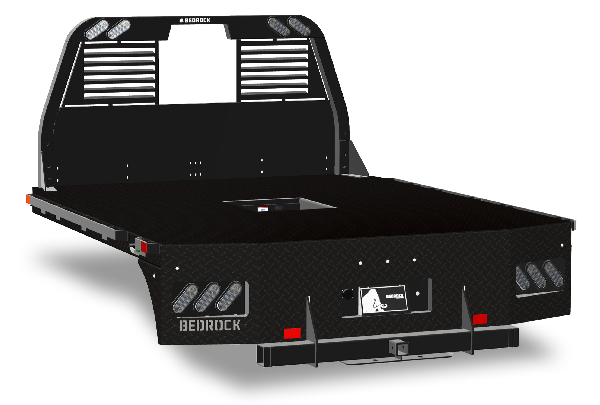
The Diamond line’s reinforced steel makes it the go‑to for construction firms hauling steel girders. Granite’s aluminum construction saves fuel on long hauls with medium loads, while Onyx’s lightweight composite shines for time‑critical deliveries where every pound counts.
What Are the Pros and Cons of Common Flatbed Accessories?
Atomic Answer (40‑60 words): Tie‑downs, wheel chocks, side rails, and modular toolboxes each have unique strengths; tie‑downs secure cargo, wheel chocks prevent roll‑away, side rails protect against side impact, and toolboxes store essential equipment. However, each can add weight, cost, or maintenance demands.
Tie‑Downs
- Pros: Quick application, adjustable tension, reusable.
- Cons: Can stretch over time, need regular inspection for wear.
Wheel Chocks
- Pros: Simple, no power needed, effective on inclines.
- Cons: Must be placed correctly; poor placement can cause slippage.
Side Rails & Drop‑Down Sides
- Pros: Prevent lateral cargo shift, add structural rigidity.
- Cons: Additional weight (10‑20 lb/ft), may require reinforcement on older frames.
Modular Toolboxes & Storage
- Pros: Keeps tools organized, protects against weather.
- Cons: Increases base load, may interfere with cargo height clearance.
Practical Tip: Rotate tie‑down straps every 1‑2 years to avoid micro‑fatigue, a common cause of sudden failure under load.
How to Choose the Right Accessories for Your Fleet?
Atomic Answer (40‑60 words): Start with a cargo‑type audit, then match each accessory’s material, load rating, and attachment method to your flatbed’s specifications and FMCSA regulations. Use the decision checklist below to ensure you cover safety, durability, cost, and compliance.
Decision Checklist
- Cargo Profile: Weight, dimensions, fragility.
- Load Frequency: Daily, weekly, seasonal.
- Regulatory Requirements: FMCSA cargo securement rules, OSHA safety standards.
- Material Compatibility: Ensure accessories match flatbed material (steel‑to‑steel, aluminum‑to‑aluminum).
- Budget vs. ROI: Calculate fuel savings from lighter accessories versus upfront cost.
- Maintenance Plan: Frequency of inspections, replacement cycles.
By following this framework, fleet managers can minimize unexpected downtime and extend accessory service life.
What Are Common Mistakes When Selecting Flatbed Accessories?
Atomic Answer (40‑60 words): The most frequent errors include over‑specifying weight, neglecting material compatibility, ignoring local regulations, and failing to schedule regular inspections. These oversights lead to premature wear, cargo loss, and potential legal penalties.
Top 3 Mistakes
- Choosing the Lightest Option Without Load Analysis – Undersized tie‑downs can snap under heavy cargo.
- Mixing Materials Improperly – Steel chocks on an aluminum rail can cause galvanic corrosion.
- Skipping the Inspection Log – Missing a cracked side rail can result in catastrophic failure.
Real‑World Example: A 2024 Midwest haul company saved $12,000 annually by replacing generic steel wheel chocks with Bedrock’s anodized aluminum versions, reducing rust‑related replacements by 80 %.
Pricing and ROI: What Should You Expect in 2026?
Atomic Answer (40‑60 words): Expect accessory costs to range from $30 for basic tie‑downs to $5,200 for a full composite side‑rail system. ROI calculations should factor in fuel savings from weight reduction, reduced downtime, and compliance‑related penalty avoidance.
| Accessory | Avg. Cost (2026) | Weight Impact | Expected Service Life | Typical ROI Period |
|---|---|---|---|---|
| Steel Tie‑Downs | $30‑$45 per set | +5 lb | 3‑5 years | 1‑2 years |
| Aluminum Side Rails | $2,400‑$3,300 | +120 lb per side | 7‑10 years | 3‑4 years |
| Composite Drop‑Down Sides (Onyx) | $4,000‑$5,200 | +85 lb per side | 10‑12 years | 4‑5 years |
| Modular Toolbox (Steel) | $250‑$400 | +150 lb | 5‑8 years | 2‑3 years |
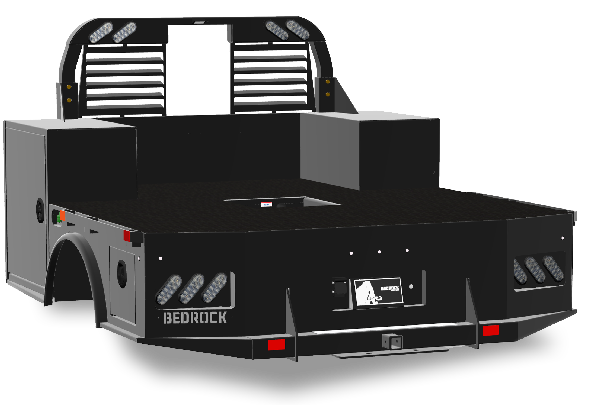
Investing in higher‑grade accessories often pays off faster due to fewer replacements and lower fuel consumption. Use Bedrock’s Commercial truck flatbed accessories page for up‑to‑date pricing and specifications.
Frequently Asked Questions
Atomic Answer (40‑60 words): Below are concise answers to the most common queries about commercial truck flatbed accessories, covering installation, compliance, cost, and maintenance to help you make informed decisions for your fleet.
1. Do I need to replace tie‑downs after a certain number of uses?
Yes. FMCSA recommends inspecting tie‑downs after every use and replacing them every 2‑3 years or after any visible wear, fraying, or loss of tension.
2. Are aluminum side rails legal for heavy‑duty loads?
Absolutely, provided they meet the load‑rating specifications for your truck’s GVWR and are installed according to the manufacturer’s guidelines. Check the FMCSA cargo securement standard for exact requirements.
3. How often should wheel chocks be inspected?
Inspect chocks before each haul. Look for cracks, deformation, or surface corrosion. Replace any chock showing signs of wear to maintain safety on inclines.
4. Can I retrofit Bedrock accessories onto an older flatbed?
In most cases, yes. Bedrock designs include universal mounting brackets compatible with both steel and aluminum frames. However, verify clearance and mounting hole alignment before purchase.
5. What’s the best way to protect accessories from rust?
Apply a corrosion‑inhibiting coating after cleaning, store accessories in a dry environment, and use rust‑resistant fasteners. Bedrock’s powder‑coat finishes add an extra layer of protection.
6. How do I calculate the fuel savings from lighter accessories?
Use the EPA’s estimate: every 100 lb reduction saves roughly 0.2 % in fuel consumption. Multiply the weight saved by your average mileage to estimate annual savings.
7. Are there tax incentives for upgrading to weight‑saving accessories?
Some states offer fleet‑modernization credits for equipment that improves fuel efficiency. Check your local department of transportation for specific programs.
8. Which Bedrock accessory line is best for a mixed‑load fleet?
The Granite line offers a balanced approach, providing enough strength for heavy items while keeping weight low enough to benefit fuel‑efficiency across varied cargo types.
Prepared by Bedrock Truckbeds, the leader in durable flatbed solutions for commercial fleets.
Interested in learning more?
Visit our website to explore products, find dealers, and get in touch.
Visit Bedrock Truck Beds →