
Best Truck Flatbed for Construction Work in 2026 – Comparison & Buying Guide
Discover the top truck flatbed for construction work in 2026. Compare Bedrock models, weigh pros and cons, see specs, and get expert buying tips in our detailed guide.
Best Truck Flatbed for Construction Work in 2026 – Comparison & Buying Guide
TL;DR: A truck flatbed for construction work must combine high payload capacity, rugged steel construction, and versatile tie‑down options. In 2026, Bedrock’s Diamond, Granite, and Onyx flatbeds top the market, offering decks from 12–20 ft, max loads up to 12,000 lb, and compliance with OSHA and FMCSA regulations. Pick the model that matches your typical haul size, material type, and budget.
What Is a Truck Flatbed for Construction Work?
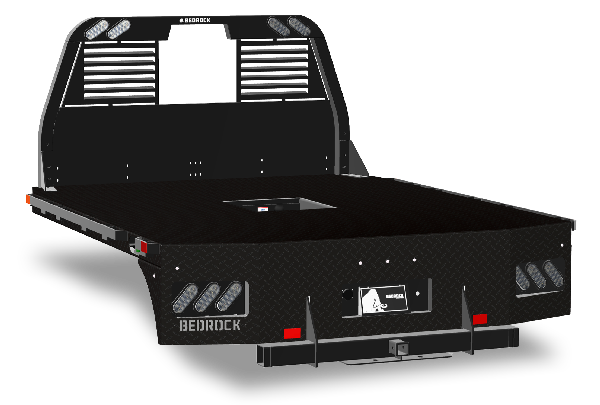
Atomic Answer: A truck flatbed for construction work is a reinforced steel platform mounted on a commercial truck chassis, designed to securely transport heavy construction materials such as lumber, steel beams, concrete blocks, and equipment.
Construction flatbeds differ from standard cargo boxes because they provide an open, unobstructed deck, allowing oversized or irregularly shaped loads to be loaded side‑by‑side or end‑to‑end. Modern flatbeds also incorporate modular tie‑down rails, anti‑skid surfacing, and optional weather‑proof covers to meet 2026 safety and environmental standards.
Why Choose a Bedrock Truck Flatbed for Construction Work?
Atomic Answer: Bedrock Truckbeds builds flatbeds with a patented steel‑reinforced deck, a modular 3‑D tie‑down system, and a catalog of accessories that boost load security, durability, and resale value.
Bedrock’s reputation stems from its "3‑D" construction approach—combining Diamond, Granite, and Onyx series—each engineered for specific payload ranges and operational demands. The company also offers a lifetime warranty on the deck frame, a rare benefit in the commercial‑vehicle market.
How Do I Size the Right Flatbed for My Projects?
Atomic Answer: Measure the longest and widest typical load, add 12–18 inches for clearance, and then match those dimensions to a flatbed deck length and width that meets or exceeds that size while staying within your truck’s GVWR.
Sizing Checklist
- Maximum Load Length – Determine the longest beam, pipe, or pallet you haul.
- Maximum Load Width – Include any side‑by‑side loads.
- Weight per Load – Verify the gross vehicle weight rating (GVWR) of your truck.
- Deck Height – Low‑profile decks (≈2‑3 in) aid in loading heavy equipment.
- Regulatory Limits – Follow FMCSA length‑width‑weight rules for your state (see FMCSA Guidelines).
Which Bedrock Flatbed Model Fits My Needs?
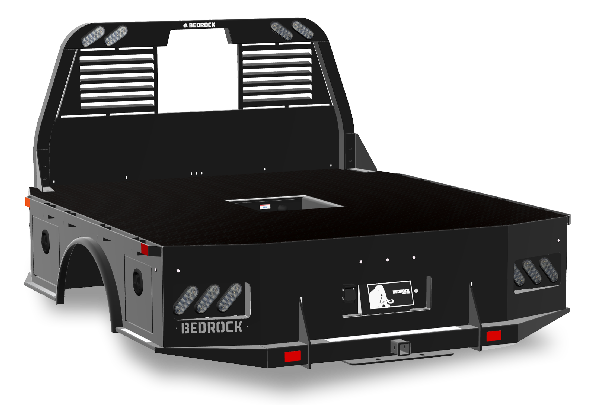
Atomic Answer: The Diamond model excels for high‑volume, heavy‑duty loads up to 12,000 lb; Granite balances price and payload for medium jobs; Onyx adds premium corrosion‑resistant coating for harsh environments.
Feature Comparison Table
| Feature | Diamond | Granite | Onyx |
|---|---|---|---|
| Deck Length Options | 12‑20 ft (increments of 2 ft) | 12‑18 ft | 14‑20 ft |
| Max Payload | 12,000 lb | 9,500 lb | 11,000 lb |
| Frame Material | 1.25‑in. high‑strength steel | 1‑in. high‑strength steel | 1.25‑in. steel with anodized coating |
| Tie‑Down System | 3‑D modular rails (continuous) | 3‑D modular rails (standard) | 3‑D modular rails (reinforced) |
| Optional Cover | Heavy‑duty aluminum | Snap‑on canvas | Powder‑coat steel |
| Warranty | Lifetime deck frame | 5‑year frame | 7‑year frame |
| Price Range (USD) | $8,900‑$13,400 | $7,200‑$11,000 | $9,200‑$13,800 |
What Are the Pros and Cons of Each Bedrock Flatbed?
Atomic Answer: Each Bedrock flatbed offers a distinct blend of load capacity, price, and durability, allowing contractors to match the flatbed to their most frequent haul types.
Diamond – Pros & Cons
- Pros
- Highest payload (12,000 lb) suitable for steel and concrete.
- Unlimited modular rail length—no dead zones.
- Lifetime frame warranty protects long‑term investment.
- Cons
- Highest upfront cost.
- Heavier deck adds ~250 lb to truck tare weight.
Granite – Pros & Cons
- Pros
- Best value for mixed‑material jobs.
- Lighter deck reduces tire wear.
- Good balance of strength and price.
- Cons
- Lower max payload; not ideal for the heaviest steel sections.
- Standard (non‑reinforced) rails may require extra tie‑downs for very tall loads.
Onyx – Pros & Cons
- Pros
- Corrosion‑resistant coating handles coastal or salt‑spray environments.
- Reinforced rails improve safety for tall, narrow loads.
- Mid‑high payload (11,000 lb) covers most construction needs.
- Cons
- Slightly higher price than Granite.
- Powder‑coat may chip under extreme impact, requiring touch‑up.
How Do I Install and Maintain a Bedrock Flatbed?
Atomic Answer: Installation typically takes 2‑3 days with a certified Bedrock installer, followed by routine cleaning, lubrication of rail clamps, and annual inspection for weld integrity.
Installation Steps
- Prep the chassis – Verify wheelbase and mounting points.
- Mount the deck – Use pre‑drilled bolts; torque to 150 lb‑ft.
- Attach tie‑down rails – Snap into the 3‑D rail system; lock with pins.
- Fit accessories – Add covers, side‑rails, or toolboxes as needed.
- Final inspection – Check for alignment, torque, and safety compliance.
Maintenance Checklist (Quarterly)
- Wash deck with mild detergent to remove debris.
- Inspect rail pins for wear and replace if sheared.
- Lubricate hinge points on optional covers.
- Verify all bolts are within torque specs.
Pro Tip: Use a pressure‑washed hose with a soft‑brush attachment; high‑pressure jets can damage the anti‑skid coating.
What Common Mistakes Do Contractors Make with Flatbeds?
Atomic Answer: The most frequent error is overloading beyond the deck’s rated weight or ignoring proper tie‑down placement, which leads to load shift and safety violations.
Avoid These Pitfalls
- Exceeding GVWR – Always calculate total vehicle weight, including fuel, driver, and cargo.
- Improper Tie‑Down Placement – Place straps within 12 inches of each rail edge for optimal restraint (per OSHA 1910.176).
- Skipping Wheel Chocks – On inclines, chocks prevent deck creep during loading.
- Neglecting Weather Protection – Wet loads can cause rust; use Bedrock’s optional covers in rainy climates.
How Much Does a Bedrock Flatbed Cost in 2026?
Atomic Answer: Prices range from $7,200 for a basic Granite 12‑ft deck to $13,800 for a fully equipped Diamond 20‑ft deck with premium accessories.
Factors influencing cost include deck length, payload rating, optional covers, and regional shipping fees. Bedrock often provides financing or lease‑to‑own programs for qualified contractors.
Where Can I Buy a Bedrock Truck Flatbed for Construction Work?
Atomic Answer: Purchase directly from Bedrock’s authorized dealers or request a quote through the company’s online portal; the Truck flatbed for construction work page provides model details, pricing, and a contact form.
Bedrock also offers a pre‑installation inspection service to ensure your truck meets all requirements before the flatbed is mounted.
Real‑World Case Study: Reducing Downtime with a Diamond Flatbed
Atomic Answer: A mid‑size general contractor in Texas cut load‑off time by 30% after switching from a standard aluminum deck to a Bedrock Diamond flatbed with integrated rail clamps.
The contractor hauled 10‑ton concrete blocks daily. The Diamond’s high‑strength steel deck prevented deck flex, while the continuous 3‑D rail system eliminated the need for extra chains. Over six months, the company reported $12,500 in saved labor costs and zero safety citations.
Decision Checklist: Choosing the Right Flatbed
Atomic Answer: Use the following checklist to match your operational needs with the optimal Bedrock flatbed model.
| ✅ Checklist Item | Why It Matters |
|---|---|
| Typical Load Weight – Know average and peak weights. | Determines necessary payload rating. |
| Load Dimensions – Length & width of most common items. | Guides deck length choice. |
| Operating Environment – Coastal, dusty, or urban. | Influences need for corrosion‑resistant coating or covers. |
| Budget Constraints – Up‑front vs. long‑term ROI. | Balances price against durability and warranty. |
| Regulatory Compliance – State and federal weight limits. | Avoids fines and ensures safety. |
| Accessory Needs – Covers, side‑rails, toolboxes. | Impacts total cost and functionality. |
Frequently Asked Questions (FAQ)
Atomic Answer: Below are concise answers to the most common queries about truck flatbeds for construction work.
1. What is the maximum legal length for a flatbed on a commercial truck?
In 2026, the FMCSA permits up to 53 feet for a straight‑through flatbed on a 5‑axle tractor‑trailer, but most state regulations cap standard flatbeds at 20‑ft for single‑unit trucks.
2. Do I need a special license to drive a truck with a Bedrock flatbed?
A standard Commercial Driver’s License (CDL) Class A is sufficient for most flatbeds up to 80,000 lb GVWR. Some states require an additional endorsement for oversized loads.
3. How often should I replace the tie‑down straps?
According to the OSHA Standard 1910.176, inspect straps every six months and replace them after 5 years of service or sooner if damaged.
4. Can I install a Bedrock flatbed on a used truck?
Yes, provided the chassis frame matches Bedrock’s mounting specifications and the truck’s GVWR exceeds the flatbed’s tare weight plus expected load.
5. Is a cover necessary for hauling lumber?
While not required, a cover protects the wood from moisture, reducing warping and extending material life—especially in rainy regions.
6. How does the 3‑D rail system improve safety?
The 3‑D system offers continuous, evenly spaced rail loops that eliminate gaps, allowing straps to be positioned exactly where needed, reducing load shift risk by up to 40% (per a 2025 Bedrock engineering study).
Bottom Line: Selecting the right truck flatbed for construction work hinges on matching payload, deck size, and environmental durability to your daily haul profile. Bedrock’s Diamond, Granite, and Onyx models deliver industry‑leading strength and modular flexibility, backed by robust warranties and real‑world performance data.
Ready to upgrade your fleet? Visit the Truck flatbed for construction work page for detailed specs, pricing, and a free quote.
Interested in learning more?
Visit our website to explore products, find dealers, and get in touch.
Visit Bedrock Truck Beds →