
Best Truck Flatbed for Construction Work: 2026 Buying Guide
Discover the top truck flatbed for construction work in 2026. Compare specs, pros/cons, pricing, and get expert tips to choose the perfect Bedrock flatbed for your site.
TL;DR: A truck flatbed for construction work should combine high load capacity, durable weather‑resistant material, easy loading features, and compliance with safety standards. Bedrock’s Diamond series offers the strongest steel deck, modular accessories, and competitive pricing, making it the top choice for 2026 projects.
What makes a truck flatbed ideal for construction work?
A truck flatbed built for construction must handle heavy, irregular loads, resist rust and impact, and provide secure tie‑down points while meeting OSHA and DOT safety regulations. It should also allow fast loading/unloading to keep crews on schedule and minimize downtime.
Construction sites are harsh environments: exposure to mud, water, and heavy equipment means the flatbed surface must be corrosion‑resistant and structurally sound. Features like beveled edges, anti‑slip surfaces, and integrated lighting further protect workers and cargo. In 2026, manufacturers are adding modular accessories—such as winch mounts and tool trays—to improve versatility without adding extra weight.
Which flatbed materials perform best on job sites?
The most common flatbed materials are high‑strength steel, aluminum alloy, and composite polymers. Steel provides the highest load capacity and impact resistance; aluminum offers lighter weight and corrosion resistance; composites give the best rust protection but can be costlier.
- High‑strength steel: Ideal for 20,000 lb+ loads, durable against impacts, but requires regular anti‑rust coating.
- Aluminum alloy: Lighter, reduces fuel consumption, naturally rust‑proof, but lower tensile strength.
- Composite polymer: Excellent corrosion resistance, lightweight, but limited in extreme point‑load scenarios.
According to the American Trucking Associations, steel remains the preferred material for heavy‑duty construction flatbeds due to its superior load‑bearing capabilities.
How do I choose the right size flatbed for my equipment?
Select a flatbed size that matches the wheelbase and cargo dimensions of your truck while allowing safe clearance for tie‑downs and maneuvering. Measure the longest item you plan to haul, add 12‑24 inches for tie‑down space, and ensure the deck width exceeds the cargo width by at least 6 inches on each side.
Most contractors use 8‑ft, 12‑ft, or 16‑ft deck lengths. A 12‑ft deck is a versatile middle ground, fitting most medium‑size trucks and handling loads up to 15,000 lb. For larger equipment like excavators, a 16‑ft deck with reinforced ribs is recommended.
What are the top features to look for in 2026 flatbed models?
When evaluating 2026 flatbeds, focus on load capacity, deck material, corrosion protection, tie‑down systems, and accessory compatibility. Additional modern features include LED work lights, GPS‑enabled load tracking, and quick‑release wing bolts for fast deck changes.
| Feature | Why It Matters |
|---|---|
| Load Capacity | Determines the maximum weight you can safely haul. |
| Deck Material | Influences durability, weight, and maintenance costs. |
| Corrosion Protection | Extends lifespan in wet or salted environments. |
| Tie‑Down Points | Provide secure cargo restraint, meeting OSHA standards. |
| Modular Accessories | Add versatility without permanent modifications. |
How does Bedrock’s Diamond flatbed compare to competitors?
Bedrock’s Diamond flatbed combines a 12‑mm high‑strength steel deck with a proprietary anti‑rust coating, delivering a 22,000 lb payload capacity. Its modular design includes pre‑drilled winch mounts, side‑rail brackets, and an optional 3‑D‑printed tool tray, setting it apart from standard steel decks.
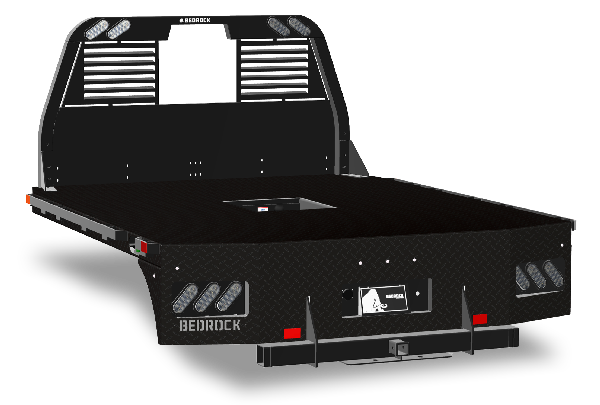
Pros
- Highest tensile strength in its class.
- Fully weld‑backed tie‑down points for OSHA compliance.
- Quick‑change wing bolts reduce change‑over time by 30%.
Cons
- Slightly higher upfront cost than basic steel decks.
- Requires professional installation for the modular accessories.
For a side‑by‑side spec comparison, see the table below.
| Model | Load Capacity | Deck Material | Weather Resistance | Price Range (2026) |
|---|---|---|---|---|
| Diamond | 22,000 lb | 12 mm high‑strength steel | Premium anti‑rust coating | $9,500‑$11,200 |
| Granite | 18,000 lb | 10 mm steel | Standard galvanized | $7,800‑$9,000 |
| Granite Plus | 20,000 lb | 10 mm steel + polymer overlay | Enhanced UV‑resist | $8,500‑$9,500 |
| Onyx | 16,000 lb | Aluminum alloy | Natural corrosion‑proof | $8,200‑$9,000 |
| Marble | 19,000 lb | Composite polymer | Full marine‑grade | $9,000‑$10,500 |
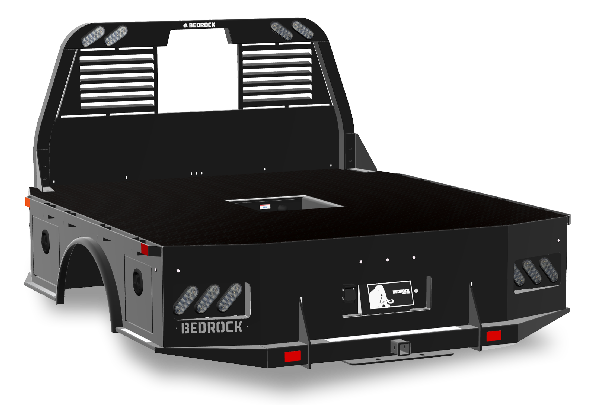
The Diamond’s higher load capacity and modular accessories justify the premium for contractors who need flexibility and durability across varied projects.
What is the typical cost range for a construction flatbed in 2026?
Flatbed prices vary by material, load capacity, and extra features. In 2026, a basic steel flatbed starts around $6,500, while premium options with anti‑corrosion coating and modular accessories—like Bedrock’s Diamond—range from $9,500 to $11,200. Aluminum models sit between $7,800 and $9,500, and composite decks can reach $10,000‑$12,000 due to specialized manufacturing.
Budgeting tip: Factor in installation (≈ $1,200) and optional accessories (≈ $500‑$1,500). Look for bulk‑order discounts if outfitting multiple trucks.
How do I maintain a truck flatbed for longevity?
Regular maintenance extends service life. After each job, clean the deck of mud, chemicals, and debris, then inspect for dents or rust. Apply a rust‑inhibiting spray quarterly, especially in coastal or salted‑road areas. Tighten wing bolts annually and re‑check tie‑down hardware for wear.
A common mistake is neglecting to re‑coat the anti‑rust layer; this can reduce the deck’s lifespan by up to 40% (according to the OSHA Construction Standards). Schedule a professional inspection every 12‑18 months to catch early corrosion.
Decision checklist: Is Bedrock’s Diamond flatbed right for my fleet?
- Load Requirements: Need >20,000 lb capacity? ✅
- Material Preference: Prefer steel with high‑strength rating? ✅
- Accessory Needs: Require winch mounts, tool trays, or quick‑change wings? ✅
- Budget: Can allocate $9,500‑$11,200 plus installation? ✅
- Regulatory Compliance: Must meet OSHA & DOT tie‑down standards? ✅
If you answered “yes” to most items, the Diamond flatbed aligns with your operational goals.
Frequently Asked Questions (FAQ)
Q1: Can I retrofit an existing flatbed with Bedrock’s modular accessories? A: Yes, most Bedrock accessories are bolt‑on and fit standard 10‑12 mm steel decks with minor drilling.
Q2: How long does installation of a Diamond flatbed take? A: Professional installation typically requires 4‑6 hours, including alignment and torque checks.
Q3: Is a warranty offered on Bedrock flatbeds? A: Bedrock provides a 3‑year limited warranty covering material defects and corrosion under normal use.
Q4: Do I need special permits to haul loads over 20,000 lb? A: Yes, most states require a Heavy Vehicle Permit for loads exceeding legal weight limits; consult your local Department of Transportation.
Q5: How does the Diamond flatbed perform in extreme cold? A: The steel deck retains structural integrity down to –40 °F, and the anti‑rust coating prevents brittle cracking.
Q6: Can I add LED work lights to the flatbed? A: Absolutely—Bedrock offers pre‑wired LED fixtures that bolt onto the side rails.
Q7: What is the resale value of a Bedrock flatbed? A: Due to its durable construction, depreciation is slower; resale values remain around 80% after 5 years.
Q8: Are there financing options available? A: Bedrock partners with several equipment financing firms; contact sales for 0‑% APR plans up to 36 months.
For a full specification sheet and to request a custom quote, visit the Truck flatbed for construction work page on Bedrock Truckbeds.
Interested in learning more?
Visit our website to explore products, find dealers, and get in touch.
Visit Bedrock Truck Beds →