
Best Truck Flatbed for Construction Work – 2026 Buying Guide
Discover the top truck flatbed for construction work in 2026. Compare Bedrock models, learn sizing, pros & cons, and get buying tips with expert advice and dealer locator.
Best Truck Flatbed for Construction Work – 2026 Buying Guide
TL;DR: A truck flatbed for construction work replaces a standard truck bed with a reinforced, corrosion‑resistant tray that can haul lumber, steel, concrete and bulk loads safely. Bedrock’s Diamond, Granite and Onyx models deliver up to 15,000 lb capacity, easy bolt‑on installation, and durability, making them the industry’s most reliable choice in 2026.
What Is a Truck Flatbed for Construction Work and Why Do I Need One?
Atomic answer: A truck flatbed for construction work is a custom‑engineered tray that bolts onto a pickup or work truck, providing a level, high‑strength surface for transporting heavy building materials. It protects the cargo, improves load security, and extends vehicle lifespan by reducing chassis stress—critical for daily construction site demands.
Construction crews regularly haul oversized items such as plywood sheets, rebar bundles, and concrete blocks. A standard stock bed may lack the load rating, anti‑corrosion coating, or tie‑down points required by OSHA standards. Upgrading to a purpose‑built flatbed eliminates these gaps, reduces downtime, and simplifies compliance with load‑securement regulations.
According to the Occupational Safety and Health Administration (OSHA), proper load containment is mandatory on all construction vehicles, and a Bedrock flatbed provides pre‑engineered anchor points that meet or exceed these requirements.
Which Flatbed Materials Perform Best on Construction Sites?
Atomic answer: The most durable flatbed materials are high‑grade steel with advanced anti‑corrosion coatings such as Bedrock’s Diamond, Granite, and Onyx series. These alloys resist rust, handle impact loads, and maintain structural integrity under harsh weather and repeated heavy‑load cycles.
Bedrock’s Diamond series uses a dual‑layer zinc‑aluminum coating that exceeds ASTM A123 standards, offering up to 25 years of rust protection. The Granite line adds a reinforced rib structure for extra stiffness, while Granite Plus incorporates a polyurethane under‑coat for added shock absorption. Onyx features a hardened steel top with a ceramic epoxy finish for maximum scratch resistance, and Marble provides a lightweight aluminum core for fuel‑efficient trucks.
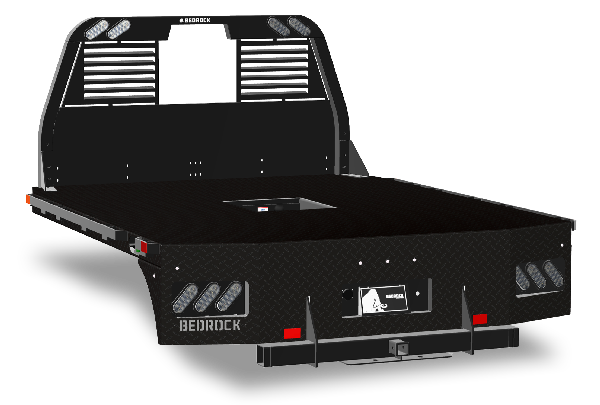
These options let contractors match the flatbed to their typical load types—steel‑heavy loads benefit from Onyx’s rigidity, whereas mixed‑material jobs may prefer Granite Plus for its vibration dampening.
How Do I Choose the Right Size and Capacity?
Atomic answer: Selecting the correct size and payload capacity starts with measuring the longest, widest, and heaviest loads you transport, then matching those dimensions to a Bedrock model that offers a minimum of 10 % extra capacity for safety.
Key sizing steps:
- Length: Measure the longest item (e.g., 12‑ft lumber sheets). Add 12‑inches clearance on each end for tie‑downs.
- Width: Standard truck frames are 6‑ft wide; most flatbeds extend to 6.5 ft for side‑overhang.
- Weight: Total payload should not exceed 90 % of the flatbed’s rated capacity. Bedrock flatbeds are rated from 10,000 lb (Granite) to 15,000 lb (Onyx).
Check your vehicle’s gross vehicle weight rating (GVWR) and ensure the flatbed’s weight plus cargo stays within that limit. For precise guidance, consult the Owners Manual | Flatbeds by BEDROCK Truck Beds, which includes load distribution charts and mounting torque specs.
Pros and Cons of the Top Bedrock Flatbed Models
Atomic answer: Below is a side‑by‑side comparison of Bedrock’s most popular flatbeds for construction work, summarizing each model’s strengths, weaknesses, and ideal use cases.
| Model | Max Capacity | Coating / Finish | Key Strengths | Main Weaknesses | Ideal For |
|---|---|---|---|---|---|
| Diamond | 13,500 lb | Dual‑layer zinc‑aluminum | Excellent rust resistance, cost‑effective | Slightly heavier than Granite | General lumber & mulch transport |
| Granite | 14,000 lb | Zinc‑aluminum + reinforced ribs | High stiffness, good for steel bars | No vibration damping | |
| Granite Plus | 14,500 lb | Added polyurethane under‑coat | Shock absorption, quieter ride | Higher price point | |
| Onyx | 15,000 lb | Ceramic epoxy + hardened steel | Maximum durability, scratch‑proof | Heaviest model, may affect fuel economy | |
| Marble | 10,000 lb | Aluminum core with epoxy | Lightest weight, best for fuel‑savvy fleets | Lower payload, less impact resistance |
What Are the Maintenance and Warranty Considerations?
Atomic answer: Proper maintenance of a construction flatbed centers on regular cleaning, inspection of bolts, and re‑application of protective coatings as recommended in the manufacturer’s warranty guidelines.
Bedrock provides a limited lifetime warranty on the coating and a five‑year structural warranty on the steel frame. Routine care includes:
- Washing the flatbed after exposure to salty water or mud.
- Checking torque on all mounting bolts every 5,000 mi.
- Re‑coating any scratched areas within the warranty window.
For detailed maintenance schedules, refer to the Owners Manual | Flatbeds by BEDROCK Truck Beds, which outlines inspection intervals, torque specs, and warranty claim procedures.
Where Can I Buy or Test a Bedrock Flatbed?
Atomic answer: Bedrock’s network of authorized dealers across the United States and Canada lets you view, test‑fit, and purchase a flatbed locally, ensuring proper installation and after‑sales support.
Use the Dealer Locator | Bedrock Truck Beds to find the nearest certified dealer, schedule a demo, and receive a free on‑site installation quote. Many dealers also carry financing options and can assist with tax‑exempt purchases for government contractors.
Common Mistakes When Selecting a Construction Flatbed
Atomic answer: The most frequent errors include overlooking vehicle GVWR, under‑estimating load size, ignoring coating durability, and skipping professional installation.
Top 5 Mistakes
- Exceeding GVWR: Adding a heavy flatbed plus cargo can push a truck over its legal weight limit, leading to fines and safety risks.
- Choosing the Wrong Material: Selecting a low‑grade steel flatbed for corrosive environments shortens service life.
- Skipping Tie‑Down Points: Not using the factory‑engineered anchor points compromises load security.
- DIY Installation Errors: Improper torque or misaligned bolt holes can cause frame stress or premature failure.
- Neglecting Maintenance: Failing to clean and inspect the coating leads to rust and costly repairs.
Avoid these pitfalls by following Bedrock’s installation guide and using their dealer network for professional fitting.
Decision Checklist for Buying a Truck Flatbed for Construction Work
Atomic answer: Use this quick‑reference checklist to verify that a flatbed meets all critical criteria before purchase.
- Verify truck’s GVWR and ensure flatbed + max load stay ≤ 90 % of GVWR.
- Choose a coating that matches your environment (zinc‑aluminum for general use, ceramic epoxy for extreme wear).
- Confirm payload capacity meets or exceeds your heaviest typical load.
- Ensure the model includes factory‑engineered tie‑down points meeting OSHA standards.
- Review warranty terms and required maintenance schedule.
- Identify an authorized dealer via the Dealer Locator for professional installation.
- Check for optional accessories (e.g., rail guards, add‑on toolboxes) that improve functionality.
Following this checklist helps you invest in a flatbed that adds value, reduces downtime, and improves crew safety.
Frequently Asked Questions (FAQ)
Atomic answer: Below are concise answers to the most common queries about truck flatbeds for construction work.
Can I install a Bedrock flatbed on any pickup truck? Yes, Bedrock designs bolt‑on kits for most full‑size pickups, including Ford F‑150, Chevrolet Silverado, and Ram 1500. Verify fitment on the product page or via a dealer.
How much does a Bedrock flatbed cost? Prices range from $3,200 for the Diamond series to $5,800 for the Onyx model, excluding installation. Financing options are available through authorized dealers.
Is the flatbed legal for highway use? All Bedrock flatbeds meet FMVSS and DOT regulations. Ensure you keep the load within the legal weight‑on‑axles limits for your state.
Do I need additional tie‑down equipment? Bedrock flatbeds include built‑in anchor points, but you’ll still need ratchet straps or chain binders to secure specific loads.
How often should I re‑apply the protective coating? Under normal conditions, the coating lasts the lifetime of the flatbed. Inspect for scratches annually and re‑coat any damaged areas within the warranty period.
Can I upgrade an existing flatbed? Bedrock offers retrofit kits for older models, allowing you to upgrade to newer coatings or added reinforcement.
What is the lead time for delivery? Stock models ship within 7‑10 business days; custom‑size orders may take 3‑4 weeks.
Are there tax benefits for purchasing a construction flatbed? Many states offer sales‑tax exemptions for qualified contractors. Consult your accountant and ask your dealer for the necessary paperwork.
Ready to boost your fleet’s productivity? Explore the full line of Bedrock flatbeds and find the perfect match for your construction workload today.
Interested in learning more?
Visit our website to explore products, find dealers, and get in touch.
Visit Bedrock Truck Beds →