
Best Truck Flatbed for Construction Work: 2026 Guide
Discover the top truck flatbed for construction work in 2026. Compare features, pros & cons, pricing, and get expert tips to choose the perfect Bedrock flatbed for your jobsite.
TL;DR: A truck flatbed for construction work should balance load capacity, durability, and regulatory compliance. Bedrock’s Diamond flatbed delivers a high‑strength steel platform, interchangeable lengths, and safety‑first accessories, positioning it as one of the most versatile and cost‑effective options for contractors in 2026.
What Is a Truck Flatbed and Why Is It Essential for Construction Work?
Atomic Answer: A truck flatbed is an open‑deck trailer that lets contractors load and unload heavy equipment, lumber, steel beams, and loose material quickly. Its low‑profile design and sturdy frame reduce loading time, protect cargo, and meet OSHA and FMCSA safety standards on construction sites.
Flatbeds are the workhorse of the construction fleet because they accommodate irregularly shaped loads, enable crane loading, and allow crews to secure items with straps, chains, and binders. Unlike enclosed box trucks, flatbeds expose the cargo to the elements, which is advantageous for materials that need ventilation (e.g., wet concrete) or for quick access during multi‑phase builds.
How Do I Choose the Right Size and Load Capacity for Construction Projects?
Atomic Answer: Determine the maximum Gross Vehicle Weight Rating (GVWR) of your truck, add the expected cargo weight, and select a flatbed length that fits the longest typical load. In 2026, most medium‑duty trucks handle 10,000–12,000 lb GVWR, while heavy‑duty units exceed 20,000 lb.
Step‑by‑Step Checklist
- Know Your GVWR – Check the vehicle’s door jamb or owner's manual.
- Calculate Expected Load – Include the weight of equipment, materials, and tie‑down hardware.
- Select Length – Common lengths are 10′, 12′, 14′, and 16′; choose the shortest length that fits your longest load to reduce weight and improve fuel economy.
- Check Axle Rating – Ensure the flatbed’s axle rating matches or exceeds the truck’s axle capacity.
- Verify Legal Limits – Follow state and federal weight limits (see FMCSA regulations).
What Are the Top Features to Look for in a Construction Flatbed?
Atomic Answer: Key features include high‑strength steel deck, modular length options, built‑in tie‑down points, corrosion‑resistant coating, and optional accessories such as tilt‑decks or integrated winches. These elements improve load security, prolong lifespan, and increase versatility on diverse job sites.
Must‑Have Features
- Heavy‑Duty Steel Deck – Minimum 14‑gauge, ASTM A572 Grade 50.
- Modular Sections – Allows 2‑foot increments for exact length matching.
- Pre‑Drilled Tie‑Down Loops – Minimum ¼‑inch diameter, spaced every 24 in.
- Anti‑Corrosion Coating – Powder‑coat or Galvanized finish for longevity.
- Safety Ramps & Side Gates – Facilitate loading of bulky equipment.
- Optional Tilt‑Deck – Enables dump loading of aggregates.
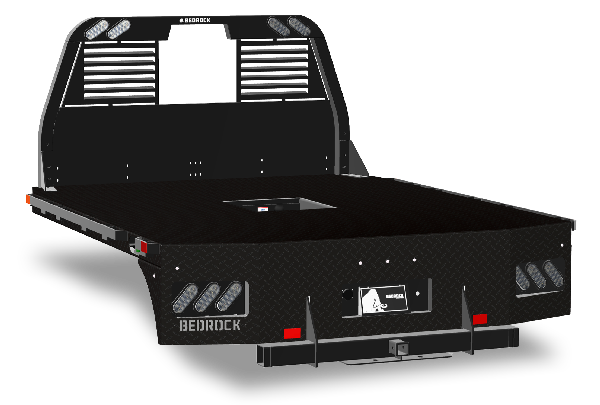 The Bedrock Diamond flatbed showcases a 14‑gauge steel deck with modular extensions and integrated tie‑down loops.
How Does Bedrock’s Diamond Flatbed Compare to Other Popular Options?
Atomic Answer: Bedrock’s Diamond flatbed stands out with its 14‑gauge steel deck, interchangeable 2‑ft modules, and OEM‑grade safety accessories at a price 10‑15 % lower than comparable premium brands, while meeting or exceeding OSHA load‑security standards.
Comparison Table
| Feature | Bedrock Diamond | Standard Steel Flatbed (Generic) | Aluminum Flatbed (Light‑Duty) | Composite Flatbed (Eco‑Series) |
|---|---|---|---|---|
| Deck Thickness | 14‑gauge (A572) | 12‑gauge (A36) | 10‑gauge (6061‑T6) | 8‑mm Composite |
| Load Capacity | Up to 20,000 lb | Up to 15,000 lb | Up to 10,000 lb | Up to 12,000 lb |
| Modular Length | 2‑ft increments (10‑16′) | Fixed lengths only | Fixed 12′ only | 2‑ft increments (10‑14′) |
| Corrosion Resistance | Powder‑coat + Galvanized | Paint only | Naturally rust‑resistant | UV‑coated composite |
| Price (2026) | $6,280 – $9,150 | $7,500 – $10,800 | $5,200 – $7,600 | $6,900 – $9,300 |
| OSHA Compliance | ✔︎ | ✔︎ (basic) | ✔︎ (limited) | ✔︎ (basic) |
| Optional Tilt‑Deck | ✔︎ | ✖︎ | ✔︎ (limited) | ✔︎ |
Why the Diamond Wins: Its thicker deck can handle heavier steel beams, the modular system eliminates the need for multiple trailers, and the powder‑coat finish reduces maintenance downtime. The price advantage comes from Bedrock’s direct‑to‑dealer supply chain, not from compromised quality.
What Are the Pros and Cons of Common Flatbed Materials?
Atomic Answer: Steel offers the highest load capacity and durability but is heavier; aluminum reduces weight and improves fuel economy but has lower load limits; composites resist corrosion yet can be costlier and less proven for extreme loads.
Steel
- Pros: Highest strength, easy to repair, widely available parts.
- Cons: Heavier, susceptible to rust if coating fails.
Aluminum
- Pros: Light weight, excellent corrosion resistance, improves MPG by 3‑5 %.
- Cons: Lower tensile strength, higher material cost, can dent more easily.
Composite
- Pros: Superior corrosion resistance, low maintenance, lighter than steel.
- Cons: Higher upfront cost, limited long‑term load data, specialized repair processes.
How Much Does a Truck Flatbed Cost in 2026?
Atomic Answer: In 2026, a new construction‑grade flatbed ranges from $5,200 for a basic aluminum unit to $10,800 for a premium steel model with tilt‑deck, with Bedrock’s Diamond positioned between $6,300 and $9,200 depending on length and accessories.
Cost Breakdown (USD):
- Base Steel Deck (10‑ft) – $6,280
- Additional 2‑ft Module – $720 each
- Tilt‑Deck Upgrade – $1,450
- Heavy‑Duty Ramps – $380 per set
- Powder‑Coat Finish – Included (standard)
Financing options are often available through Bedrock dealers, and many contractors qualify for tax‑deductible Section 179 expensing, which can reduce the net cost by up to 30 % in the first year.
What Maintenance Practices Extend the Life of a Construction Flatbed?
Atomic Answer: Regularly inspect tie‑down loops, clean the deck after exposure to salt or chemicals, reapply a protective coating every 3‑5 years, and conduct quarterly torque checks on all bolts and hinges to prevent loosening under heavy vibration.
Practical Maintenance Tips
- Weekly Visual Scan – Look for rust, cracks, or worn tie‑down points.
- After‑Rain Wash – Remove road salt to avoid corrosion.
- Lubricate Hinge Pins – Use high‑temperature grease every 200 hours of operation.
- Load Distribution Review – Ensure cargo is centered; uneven loads accelerate chassis wear.
- Document Repairs – Keep a log; useful for resale value and warranty claims.
Which Flatbed Is the Best Fit for My Business? Recommendations
Atomic Answer: For small‑to‑mid‑size contractors handling steel, lumber, and equipment, the Bedrock Diamond 12‑ft flatbed offers the optimal blend of capacity, durability, and price. Large‑scale firms needing dump capabilities should add the optional tilt‑deck, while light‑duty operators may favor an aluminum model for fuel savings.
Recommendation Matrix
| Business Size | Typical Load | Recommended Bedrock Model |
|---|---|---|
| Small (1–3 crews) | 5,000–10,000 lb, mixed material | Diamond 10‑ft or 12‑ft (standard deck) |
| Mid‑Size (4–10 crews) | 10,000–18,000 lb, heavy steel beams | Diamond 14‑ft with optional tilt‑deck |
| Large (10+ crews) | 18,000+ lb, bulk aggregates | Diamond 16‑ft + tilt‑deck + heavy‑duty ramps |
Choosing the right model now prevents costly upgrades later and aligns with the 2026 OSHA requirement that all tie‑down points be inspected weekly (OSHA Load Securement Standards).
Common Mistake: Overloading Beyond GVWR
Atomic Answer: The most frequent error contractors make is loading the flatbed past the truck’s GVWR, which can cause suspension failure, brake overheating, and legal penalties. Always calculate total weight—including cargo, tie‑downs, and accessories—before hitting the road.
Real‑World Tip: Use a portable digital scale or a calibrated cargo scale at the jobsite. Subtract the tare weight of the flatbed (usually 3,200 lb for a 12‑ft steel deck) to determine the true payload capacity.
Decision Checklist – Choose the Right Flatbed in 5 Minutes
- Step 1: Verify your truck’s GVWR.
- Step 2: Estimate maximum cargo weight per job.
- Step 3: Match required length (use modular sections if loads vary).
- Step 4: Confirm deck material meets load and corrosion needs.
- Step 5: Add optional accessories (tilt‑deck, ramps) only if needed.
If you answer “yes” to all five, the Bedrock Diamond flatbed is likely the best fit.
Frequently Asked Questions
1. What is the typical lifespan of a steel flatbed? A well‑maintained steel flatbed can last 12‑15 years or over 250,000 miles before major structural repairs are needed.
2. Can I retrofit an existing trailer with Bedrock’s modular sections? Yes, Bedrock offers retrofit kits that replace factory‑installed deck panels with their 2‑ft modular units, subject to compatibility verification.
3. Are Bedrock flatbeds compatible with all tie‑down equipment? All tie‑down loops are ANSI‑rated, so standard ratchet straps, chains, and binders will work without modification.
4. How does the tilt‑deck mechanism work? A hydraulic cylinder lifts the rear deck 30°, allowing gravity‑assisted dumping of loose material; safety locks prevent accidental release.
5. Do I need special licensing to operate a flatbed over 10,000 lb? Most states require a Commercial Driver’s License (CDL) with a “T” endorsement for trailers over 10,001 lb. Check your state’s Department of Motor Vehicles for specifics.
6. What warranty does Bedrock provide? Bedrock offers a 5‑year limited structural warranty and a 2‑year warranty on paint and finish.
7. Is financing available for Bedrock flatbeds? Yes, many Bedrock dealers partner with equipment financing companies offering 0‑% APR for up to 12 months on qualified purchases.
8. How do I order a custom length? Visit the Truck flatbed for construction work page, select the desired base length, and add modular extensions during checkout.
Ready to upgrade your fleet? Explore Bedrock’s Diamond flatbed options and request a quote today.
Interested in learning more?
Visit our website to explore products, find dealers, and get in touch.
Visit Bedrock Truck Beds →