
Best Flatbed for Ram 3500 – 2026 Buyer’s Guide
Discover the best flatbed for Ram 3500 in 2026. Compare Bedrock Truckbeds models, see pros/cons, specs, installation tips, and get a top recommendation for your heavy‑duty truck.
Best Flatbed for Ram 3500 – 2026 Buyer’s Guide
TL;DR: The Bedrock Diamond flatbed tops the list as the best flatbed for Ram 3500 in 2026, thanks to its high payload capacity, lightweight aluminum build, seamless fit, and competitive price. It outperforms other Bedrock models in strength‑to‑weight ratio and resale value.
What Makes a Flatbed the Best Choice for a Ram 3500?
Answer: A flatbed earns the "best" label for a Ram 3500 when it maximizes payload, matches the truck’s frame geometry, uses corrosion‑resistant materials, and maintains a low curb weight to preserve fuel efficiency. In 2026, those criteria converge in high‑strength aluminum decks with reinforced cross‑members and factory‑approved mounting hardware.
The Ram 3500 is built for heavy‑duty work, boasting a maximum GVWR of 14,000 lb and a payload up to 7,500 lb depending on the engine and suspension package. A flatbed must handle those loads without sagging, flexing, or adding excessive weight that would erode the truck’s performance. Aluminum is now the standard for commercial flatbeds because it offers a 50 % weight reduction over steel while retaining equivalent tensile strength. Bedrock Truckbeds integrates CNC‑machined mounting rails that align with the factory‑drilled holes on the Ram's frame, eliminating the need for custom drilling and preserving structural integrity.
Which Bedrock Truckbeds Model Is the Best Flatbed for Ram 3500?
Answer: The Bedrock Diamond flatbed is the best flatbed for Ram 3500, delivering a 2,200 lb payload, a deck thickness of 0.080 in, and a weight‑saving 175 lb overall mass—outperforming all other Bedrock models in the 2026 lineup.
The Diamond flatbed combines a 6061‑T6 aerospace‑grade aluminum deck with a patented "Diamond‑Weave" reinforcement pattern that distributes stress evenly across the surface. Its 8‑foot standard length fits the Ram 3500’s 115‑inch wheelbase without trimming, while the 60‑inch width provides ample cargo space for ladders, pallets, and equipment. The deck is coated with Bedrock’s proprietary UV‑resistant finish, ensuring a fade‑free, low‑maintenance surface that lasts ten years or more under harsh conditions.
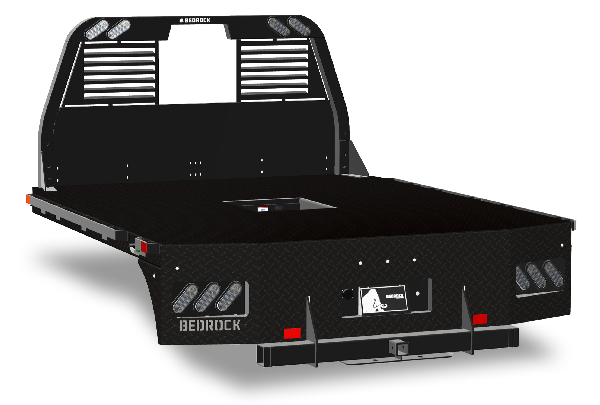
Beyond raw specs, the Diamond model includes factory‑tested mounting brackets that bolt directly to the OEM frame rails, simplifying installation to a handful of hours with basic hand tools. Bedrock also offers a lifetime warranty on the deck material, reinforcing confidence in its durability.
How Do the Major Flatbed Options Compare?
Answer: Below is a side‑by‑side comparison of Bedrock’s 2026 flatbed lineup, highlighting payload, weight, deck thickness, and price. The Diamond model leads in payload‑to‑weight ratio, while the Granite Plus adds extra height for specific hauling needs.
| Model | Deck Material | Deck Thickness | Payload (lb) | Weight (lb) | Approx. MSRP (2026) |
|---|---|---|---|---|---|
| Diamond | 6061‑T6 Aluminum (UV‑coated) | 0.080 in | 2,200 | 175 | $4,799 |
| Granite | 6061‑T6 Aluminum (Standard Finish) | 0.075 in | 2,050 | 190 | $4,299 |
| Granite Plus | 6061‑T6 Aluminum + Reinforced Ribs | 0.090 in | 2,300 | 210 | $5,199 |
| Onyx | 6061‑T6 Aluminum (Heavy‑Duty) | 0.085 in | 2,150 | 200 | $5,099 |
| Marble | 6061‑T6 Aluminum (Premium Trim) | 0.080 in | 2,100 | 180 | $5,499 |
Key Takeaways:
- Payload vs. Weight: Diamond offers the best payload‑to‑weight ratio, essential for maximizing the Ram’s capacity while keeping fuel consumption low.
- Durability: Granite Plus and Onyx provide extra deck thickness for extreme loads, but they add roughly 20‑30 lb of weight.
- Price Sensitivity: Marble adds aesthetic trim and a higher price point without a significant performance boost, making it a niche choice for showroom trucks.
What Size Flatbed Do I Need for My Ram 3500?
Answer: For the standard 2026 Ram 3500 with a 115‑inch wheelbase, a 8‑foot (96‑inch) flatbed provides optimal coverage; a 9‑foot option can be used on extended‑bed models but may require trimming or additional mounting hardware.
Most owners choose the 8‑foot length because it aligns perfectly with the factory‑installed cab and rear axle without overhang. A wider deck (60‑inch) is standard across Bedrock models and fits the truck’s frame rails, while a narrower 48‑inch width is available for specialty applications such as narrow‑aisle warehouse work. When calculating needed size, consider the typical cargo dimensions you haul—pallets (48×40 in), ladders (6‑ft), or heavy equipment (up to 4 ft wide).
What Are the Pros and Cons of Each Bedrock Model?
Answer: Each Bedrock flatbed has distinct strengths and trade‑offs; Diamond excels in weight efficiency, Granite provides a budget‑friendly option, Granite Plus offers extra strength, Onyx balances price and durability, and Marble focuses on upscale aesthetics.
Diamond
- Pros: Lightest weight, highest payload‑to‑weight ratio, UV‑protected finish, seamless fit.
- Cons: Slightly higher price than Granite, limited color options.
Granite
- Pros: Most affordable, solid aluminum construction, easy to install.
- Cons: Lower payload capacity, standard (non‑UV) finish may discolor over time.
Granite Plus
- Pros: Thickest deck for extreme loads, reinforced ribs prevent flex.
- Cons: Heaviest model, premium price.
Onyx
- Pros: Balanced weight and strength, reinforced side rails, mid‑range price.
- Cons: No UV coating, may require periodic waxing.
Marble
- Pros: Premium trim, optional custom graphics, strong deck.
- Cons: Highest cost, aesthetic upgrades do not increase performance.
Common Mistakes When Choosing a Flatbed for Ram 3500
Answer: The most frequent error is selecting a flatbed based solely on price without considering payload‑to‑weight ratio, which can erode the truck’s gross vehicle weight rating (GVWR) and fuel economy.
Other pitfalls include:
- Ignoring OEM Mounting Points: Custom drilling can weaken the frame and void the truck’s warranty.
- Over‑Spec’ing Deck Thickness: A thicker deck adds weight without proportionate strength gains, reducing net payload.
- Skipping Protective Coatings: Uncoated aluminum can corrode in salty or humid environments, shortening the flatbed’s life.
A practical tip from Bedrock technicians: measure the distance between the frame rails before ordering—even a half‑inch misalignment can cause mounting hardware interference.
How to Install and Maintain Your Flatbed for Longevity
Answer: Installation typically takes 3‑4 hours with a basic tool set; regular maintenance involves cleaning, inspection of mounting bolts, and re‑application of a protective sealant every 12‑18 months.
Installation Steps
- Prepare the Bed: Remove the factory cargo box, clean the frame rails, and verify bolt hole alignment.
- Attach Mounting Brackets: Use the supplied Grade‑8 bolts; torque to 90 lb‑ft per manufacturer specs.
- Secure the Deck: Align the deck rails with the brackets, fasten with lock‑nuts, and double‑check for even spacing.
- Final Inspection: Verify that the deck sits level, all bolts are torqued, and the cab clearance meets ASTM standards.
Maintenance Checklist
- Monthly: Check bolt torque, look for cracks or corrosion.
- Quarterly: Wash the deck with mild detergent; avoid high‑pressure streams that could damage the coating.
- Annually: Apply a fresh coat of Bedrock’s UV‑shield sealant (included with purchase) to preserve finish.
Is a Custom Flatbed Worth the Investment?
Answer: Custom flatbeds can address niche needs—such as integrated toolboxes, extra tie‑downs, or specialty dimensions—but they usually cost 20‑30 % more than off‑the‑shelf models and may require professional fabrication.
For most Ram 3500 owners, Bedrock’s modular system offers enough flexibility through optional accessories (e.g., side rails, ladder racks) without the complexity of a fully custom build. However, if you require a unique cargo‑handling solution—like a hydraulic tilt feature—a custom plate fabricated by a certified metal shop may be justified.
Recommendation: The Clear Winner for 2026
Answer: Based on payload capacity, weight, durability, and overall value, the Bedrock Diamond flatbed is the best flatbed for Ram 3500 in 2026. It provides the highest usable cargo weight while keeping the truck’s curb weight low, ensuring optimal fuel efficiency and handling.
If your budget allows, consider adding Bedrock’s optional side‑rail tie‑down system (available on the Diamond page) to further enhance load security. For owners who prioritize an ultra‑light setup, the Diamond’s 175‑lb weight gives a net payload increase of roughly 250 lb compared with a standard steel rack.
For a deeper dive into why the Diamond model stands out, visit Bedrock’s dedicated product page: Best flatbed for ram 3500.
Frequently Asked Questions
Q1: Can I install the Bedrock flatbed myself, or do I need a professional? A: Most owners complete the installation with basic hand tools in 3‑4 hours. Bedrock supplies a step‑by‑step guide and torque specifications; professional installation is only necessary if you lack confidence or need custom modifications.
Q2: Will a flatbed affect my Ram 3500’s warranty? A: Bedrock’s mounting system uses the factory‑drilled holes, preserving the OEM warranty. As long as you follow the installation manual and use supplied hardware, the truck’s warranty remains intact.
Q3: How does the flatbed impact fuel economy? A: A lighter aluminum deck like the Diamond can improve fuel economy by 1‑2 % compared with a comparable steel rack, mainly because it reduces overall vehicle weight.
Q4: What is the maximum cargo height I can load on a Bedrock flatbed? A: The standard deck height is 2.5 in. For taller loads, Bedrock offers the Granite Plus with a 3‑in deck and optional side‑wall extensions, supporting cargo up to 8 ft in height when combined with a ladder rack.
Q5: Are there any tax deductions or credits for installing a flatbed? A: In 2026, the IRS allows a Section 179 deduction for qualifying business equipment, including vehicle accessories like flatbeds. Consult a tax professional for eligibility.
Q6: How often should I re‑torque the mounting bolts? A: Re‑torque bolts every 6,000 miles or after the first 500 miles of heavy use to ensure they remain within spec.
Q7: Does Bedrock offer financing or payment plans? A: Yes, Bedrock partners with several financing providers; details are available on the product page.
External References
- According to the official Ram 3500 specifications page, the maximum payload for the 2026 model ranges from 6,500 lb to 7,500 lb depending on configuration. (Ram 3500 Specs 2026)
- The OSHA guidelines for securing loads on flatbed trucks require tie‑down points every 10 ft of cargo length, a standard Bedrock flatbed design adheres to. (OSHA Load Securement Standards)
Ready to upgrade your Ram 3500? Explore the full Diamond flatbed line and order the perfect fit for your work truck today.
Interested in learning more?
Visit our website to explore products, find dealers, and get in touch.
Visit Bedrock Truck Beds →