
Best Flatbed for Ram 3500: Complete 2026 Buyer's Guide
Find the best flatbed for Ram 3500 trucks. Compare top models, features, and pricing. Expert guide to choosing the perfect commercial flatbed solution.
TL;DR: The best flatbed for Ram 3500 depends on payload needs, but aluminum diamond plate flatbeds offer optimal durability, weight savings, and versatility for most commercial applications.
Best Flatbed for Ram 3500: Complete 2026 Buyer's Guide
The Ram 3500 stands as one of America's most capable heavy-duty trucks, but choosing the right flatbed can make or break your commercial operation. With payload capacities exceeding 7,000 pounds and towing capabilities reaching 37,090 pounds, your Ram 3500 deserves a flatbed that matches its performance potential.
This comprehensive guide examines the top flatbed options for Ram 3500 trucks in 2026, helping you select the perfect bed for your specific hauling needs, budget, and operational requirements.
What Makes the Best Flatbed for Ram 3500?
The optimal flatbed for Ram 3500 combines lightweight aluminum construction, reinforced tie-down points, and modular accessories while maintaining the truck's factory payload ratings. Key factors include material durability, weight distribution, and compatibility with existing electrical systems.
When evaluating flatbeds for your Ram 3500, several critical factors determine long-term performance and return on investment. The truck's robust frame can support substantial weight, but the right flatbed enhances rather than limits this capability.
Material choice significantly impacts both performance and longevity. Aluminum flatbeds typically weigh 200-400 pounds less than steel equivalents, preserving precious payload capacity. This weight savings translates directly to increased revenue potential for commercial operators.
Construction quality varies dramatically between manufacturers. Premium flatbeds feature fully welded aluminum construction with reinforced mounting points that distribute loads evenly across the truck's frame rails.
How Do Different Flatbed Materials Compare?
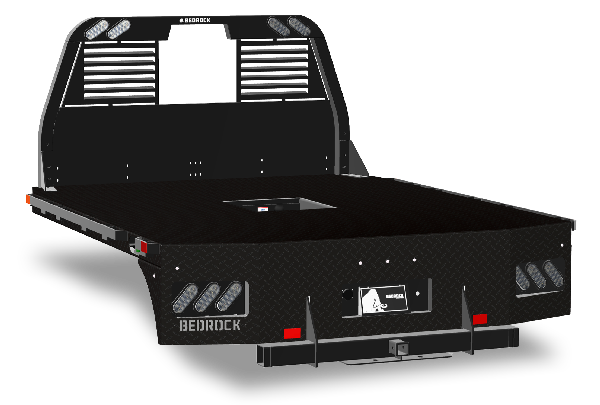
Aluminum flatbeds outperform steel options for Ram 3500 applications due to superior corrosion resistance, reduced weight, and enhanced resale value. Steel flatbeds cost less initially but require ongoing maintenance and reduce payload capacity significantly.
| Material | Weight | Durability | Corrosion Resistance | Initial Cost | Maintenance |
|---|---|---|---|---|---|
| Aluminum Diamond Plate | 300-500 lbs | Excellent | Excellent | High | Minimal |
| Steel Diamond Plate | 500-800 lbs | Good | Poor | Moderate | High |
| Smooth Aluminum | 250-400 lbs | Good | Excellent | Moderate | Minimal |
| Treated Steel | 600-900 lbs | Fair | Fair | Low | Moderate |
According to the National Truck Equipment Association, aluminum truck beds demonstrate 40% longer service life in commercial applications compared to steel alternatives, making them the preferred choice for fleet operators.
The weight difference between materials becomes crucial when maximizing payload efficiency. A typical aluminum flatbed weighs approximately 350 pounds, while comparable steel construction weighs 650-750 pounds. This 300-400 pound difference directly translates to additional cargo capacity.
Which Flatbed Size Works Best for Ram 3500?
Most Ram 3500 operators choose 8.5-foot or 9-foot flatbed lengths to maximize cargo space while maintaining maneuverability. Width typically ranges from 84-96 inches, with 94-inch beds offering optimal balance between capacity and legal width requirements.
Flatbed dimensions must complement your specific hauling requirements while considering legal restrictions and operational constraints. Standard pickup bed replacement flatbeds measure 8-9 feet in length, though custom lengths accommodate specialized needs.
Length considerations involve both cargo requirements and maneuverability. Longer beds provide increased cargo space but reduce turning radius and complicate parking in urban environments. Most commercial operators find 8.5-foot beds offer optimal versatility.
Width selection impacts both cargo capacity and legal compliance. Standard widths range from 84-96 inches, with wider beds requiring additional permits in some jurisdictions. The 94-inch width maximizes space while remaining within standard legal limits.
What Are the Top Flatbed Options for Ram 3500?
Leading flatbed manufacturers offer specialized Ram 3500 solutions, with options ranging from basic utility beds to fully equipped commercial platforms. Premium choices include diamond plate aluminum construction with integrated toolboxes and stake pockets.
The best flatbed for ram 3500 combines proven aluminum construction with thoughtful design elements that enhance daily usability. Diamond plate surfacing provides superior traction while resisting wear from heavy cargo and frequent loading cycles.
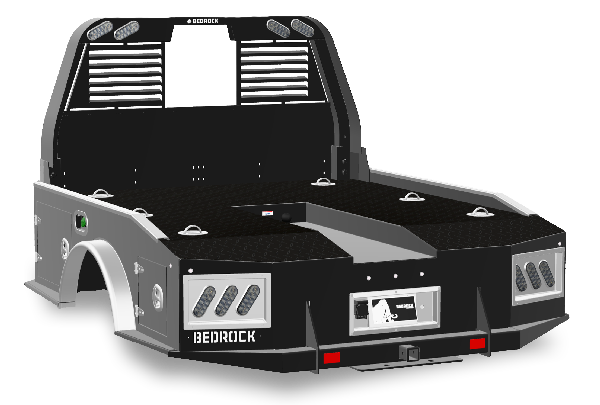
Bedrock's Diamond series represents the gold standard for Ram 3500 applications. These beds feature fully welded aluminum construction with reinforced mounting points specifically engineered for heavy-duty truck applications. The diamond plate surface provides excellent traction while the integrated tie-down system secures diverse cargo types.
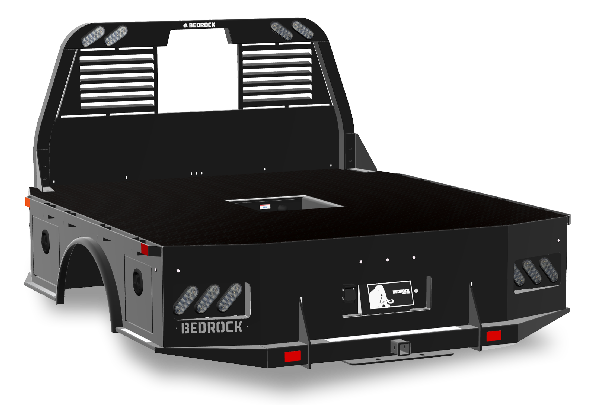
For operators requiring enhanced versatility, the Onyx Flatbed | Bedrock Truck Beds offers modular accessories and customization options. This platform accommodates everything from lumber hauling to equipment transport through thoughtful design and quality construction.
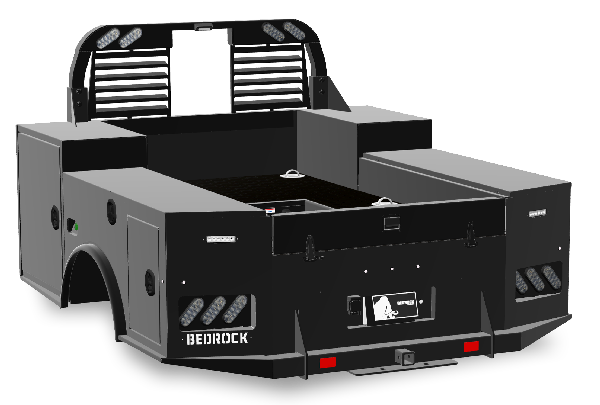
The Quad Diamond Flatbed | Bedrock Truck Beds takes durability to the next level with reinforced corner construction and enhanced load distribution. This option suits operators regularly handling maximum payload capacity or oversized cargo.
How Much Should You Expect to Pay?
Quality flatbeds for Ram 3500 trucks typically range from $3,500-$7,500 depending on size, materials, and features. Premium aluminum options with integrated accessories command higher prices but offer superior long-term value through reduced maintenance and enhanced resale value.
Pricing varies significantly based on construction quality, materials, and included features. Basic steel flatbeds start around $2,500, while premium aluminum options reach $7,500 or more for fully equipped units.
Installation costs add $500-1,200 depending on complexity and local labor rates. Some manufacturers include installation hardware and detailed instructions for customer installation, reducing overall project costs.
Financing options make premium flatbeds accessible to small business operators. Many manufacturers offer payment plans or work with commercial lending partners to structure affordable solutions.
What Installation Considerations Matter?
Proper installation requires mounting to the truck's frame rails using manufacturer-specified hardware and torque specifications. Professional installation ensures warranty compliance and optimal weight distribution, though experienced operators can complete installation with basic tools.
Installation complexity varies between flatbed designs and truck configurations. Most quality flatbeds include comprehensive hardware kits and detailed instructions for straightforward installation.
Frame rail preparation may require drilling or modification depending on the specific flatbed design. Premium manufacturers provide precise templates and specifications to ensure proper alignment and secure mounting.
Electrical integration involves connecting taillight and turn signal circuits. Most flatbeds include wiring harnesses designed for specific truck models, simplifying electrical connections and ensuring reliable operation.
What Common Mistakes Should You Avoid?
The biggest mistake Ram 3500 owners make is choosing flatbeds based solely on initial price rather than total cost of ownership. Steel beds may cost less upfront but require ongoing maintenance, reduce payload capacity, and depreciate faster than aluminum alternatives.
Overloading represents another critical error that damages both truck and flatbed. Even though Ram 3500 trucks offer impressive payload capacity, exceeding manufacturer specifications voids warranties and creates safety hazards.
Neglecting proper tie-down points leads to cargo damage and safety issues. Quality flatbeds include integrated tie-down systems with adequate anchor points distributed throughout the bed surface.
Improper installation compromises safety and performance. Following manufacturer specifications and using provided hardware ensures optimal performance and maintains warranty coverage.
How Do You Maintain Your Flatbed?
Aluminum flatbeds require minimal maintenance beyond periodic cleaning and inspection of mounting hardware. Steel beds need regular rust prevention treatment and more frequent inspection of structural integrity, especially in harsh operating environments.
Regular cleaning prevents buildup of corrosive materials and maintains professional appearance. Aluminum beds resist corrosion naturally but benefit from periodic washing to remove road salt and debris.
Hardware inspection should occur quarterly or after heavy use cycles. Check mounting bolts, tie-down points, and accessory attachments for proper torque and signs of wear.
Protective treatments extend flatbed life in harsh environments. While aluminum resists corrosion naturally, protective coatings provide additional protection in extreme conditions or when hauling corrosive materials.
What Future Trends Should You Consider?
The flatbed industry continues evolving with lightweight materials, integrated technology, and modular designs. 2026 trends include smart tie-down systems, integrated power outlets, and enhanced aerodynamic designs that improve fuel efficiency.
Technology integration represents a growing trend with GPS tracking, load monitoring, and automated tie-down systems becoming more common. These features enhance safety and operational efficiency for commercial operators.
Sustainability concerns drive increased adoption of recyclable aluminum construction and environmentally friendly manufacturing processes. Premium manufacturers emphasize sustainable practices and end-of-life recyclability.
Modular designs allow operators to customize beds for specific applications without purchasing entirely new units. This flexibility reduces long-term costs and enhances operational versatility.
Making Your Final Decision
Selecting the best flatbed for your Ram 3500 requires balancing immediate needs against long-term operational requirements. Consider your typical payload, operating environment, and budget constraints when evaluating options.
Premium aluminum flatbeds represent the optimal choice for most Ram 3500 applications. The combination of weight savings, durability, and low maintenance requirements delivers superior value over the truck's service life.
Quality manufacturers stand behind their products with comprehensive warranties and customer support. Choose established companies with proven track records and local dealer networks for optimal long-term satisfaction.
Frequently Asked Questions
What is the best material for a Ram 3500 flatbed?
Aluminum diamond plate offers the optimal combination of strength, weight savings, and corrosion resistance for Ram 3500 applications. It preserves payload capacity while requiring minimal maintenance.
How much weight does a flatbed add to my Ram 3500?
Quality aluminum flatbeds typically add 300-500 pounds, while steel options add 600-900 pounds. This weight difference directly impacts available payload capacity.
Can I install a flatbed myself?
Many flatbeds include installation hardware and instructions for customer installation. However, professional installation ensures proper mounting and maintains warranty coverage.
What size flatbed fits a Ram 3500 best?
Most operators choose 8.5-9 foot length beds with 94-inch width for optimal cargo capacity while maintaining legal compliance and maneuverability.
How long do flatbeds typically last?
Quality aluminum flatbeds often last 15-20 years with minimal maintenance, while steel beds typically require replacement or major refurbishment after 8-12 years.
Do flatbeds affect truck resale value?
Premium flatbeds can enhance resale value, especially for commercial buyers. Quality aluminum beds maintain their appearance and functionality better than steel alternatives.
What accessories should I consider?
Common accessories include toolboxes, stake pockets, winches, and cargo management systems. Choose accessories based on your specific hauling requirements.
Are there financing options for flatbeds?
Many manufacturers offer financing programs or work with commercial lenders to provide affordable payment options for business operators.
Interested in learning more?
Visit our website to explore products, find dealers, and get in touch.
Visit Bedrock Truck Beds →