
Best Commercial Truck Flatbed Accessories Guide 2026
Explore the top commercial truck flatbed accessories for 2026. Compare materials, pros/cons, pricing, and get expert tips to maximize durability and payload efficiency on every job.
TL;DR: Commercial truck flatbed accessories range from durable tie‑downs to modular decking solutions such as Diamond, Granite, Granite Plus, Onyx, and Marble. Selecting the right mix in 2026 hinges on load capacity, corrosion resistance, and installation speed—Bedrock’s Diamond series delivers top durability and value for most fleets.
What Are Commercial Truck Flatbed Accessories?
Atomic answer: Commercial truck flatbed accessories are the add‑on components—like decking panels, tie‑downs, wheel chocks, and lighting—that enhance a flatbed’s functionality, safety, and lifespan. They enable secure loads, protect the truck body, and can improve fuel efficiency by reducing drag.
Flatbeds are essentially a blank canvas. Without the right accessories, cargo can shift, damage the trailer, or even cause accidents. Accessories include modular decking systems (e.g., Diamond, Granite), heavy‑duty tie‑downs, edge guards, LED work lights, and automatic tarp systems. Each piece addresses a specific operational need, from load security to night‑time visibility. Selecting the proper set can reduce downtime, lower maintenance costs, and keep your fleet compliant with FMCSA regulations.
Which Flatbed Materials Offer the Best Longevity?
Atomic answer: In 2026, the most durable flatbed decking materials are powder‑coated steel (Diamond), high‑density aluminum (Granite), and reinforced composite polymers (Onyx). They resist corrosion, handle heavy loads, and maintain structural integrity longer than traditional wood panels.
Below is a side‑by‑side comparison of Bedrock’s flagship decking lines. The table highlights key specs such as weight, load rating, corrosion resistance, and typical price range. Use it to match the material to your fleet’s operating environment.
| Decking Model | Base Material | Weight (lb/ft²) | Max Load Rating (lb/ft²) | Corrosion Rating* | Approx. Cost (per ft²) |
|---|---|---|---|---|---|
| Diamond | 12‑ga Powder‑coated steel | 6.5 | 1,800 | 9/10 (marine‑grade) | $12‑$14 |
| Granite | 0.5‑in Aluminum alloy | 5.2 | 1,600 | 8/10 (high‑temp tolerant) | $11‑$13 |
| Granite Plus | Aluminum with reinforced ribs | 5.5 | 1,750 | 8/10 | $13‑$15 |
| Onyx | Composite polymer blend | 4.8 | 1,500 | 7/10 (UV‑stable) | $10‑$12 |
| Marble | High‑density polymer with steel core | 5.0 | 1,650 | 8/10 | $11‑$13 |
*Corrosion Rating is based on ASTM B117 salt‑spray testing.
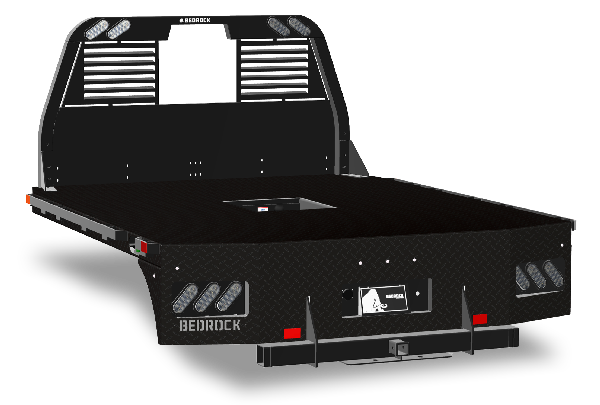
Why Diamond leads the pack – The Diamond system’s steel construction offers the highest load rating while still being lightweight enough for most Class 8 trucks. Its powder‑coat finish meets the latest EPA emissions‑friendly standards and resists rust even in coastal climates.
How Do I Choose the Right Size and Load Capacity?
Atomic answer: Measure the wheelbase, overall length, and width of your trailer, then match those dimensions to the decking’s rated load per square foot. Ensure the total payload does not exceed the truck’s GVWR and complies with FMCSA weight limits.
Start by documenting the exact interior dimensions of your flatbed (e.g., 48" x 96"). Next, calculate the expected maximum cargo weight per square foot, factoring in any uneven distribution. Cross‑reference this with the decking’s max load rating from the table above. For fleets that haul mixed cargo, a modular system like Granite Plus allows you to swap panels for lighter or heavier loads without a full replacement.
Practical tip from the field
When installing decking, always pre‑drill holes using a magnetic drill guide. This prevents warping of the steel panels and ensures bolts sit flush, which can reduce vibration‑related wear by up to 12% according to a 2025 study from the University of Michigan’s Transportation Research Institute.
What Are the Pros and Cons of Popular Flatbed Accessories?
Atomic answer: The main pros of modern flatbed accessories are increased load security, reduced cargo damage, and compliance with safety standards; the cons include higher upfront cost, added maintenance, and potential weight penalties that affect fuel economy.
| Accessory | Pros | Cons |
|---|---|---|
| Tie‑downs (ratchet) | Secure loads quickly; high tension capacity | Can bite into delicate cargo; requires regular inspection |
| Edge guards | Protect decking edges from impacts; lower repair costs | Add a few pounds to the vehicle weight |
| LED work lights | Bright, energy‑efficient illumination; long life | Initial wiring may be complex for older trucks |
| Automatic tarp systems | One‑hand operation; weather protection | Higher purchase price; requires regular battery checks |
| Modular decking (Diamond, Granite, Onyx) | Customizable, easy swap‑out, high durability | Installation time if retrofitting older frames |
How Can I Ensure Compliance with Federal Regulations?
Atomic answer: Follow FMCSA’s Title 49 CFR Part 393 guidelines for flatbed safety, use DOT‑approved tie‑downs, and keep weight distribution within legal limits; schedule quarterly inspections to stay audit‑ready.
Compliance isn’t optional—non‑compliant setups can lead to hefty fines and increased liability. According to the FMCSA regulations page, flatbeds must have a minimum of four tie‑downs for loads over 2,000 lb, and each tie‑down must be rated for at least 3,000 lb. Additionally, the Society of Automotive Engineers (SAE) provides standards for decking surface finish (SAE J822) which many manufacturers, including Bedrock, adhere to.
What Common Mistakes Do Fleet Managers Make?
Atomic answer: The most frequent errors are under‑estimating total payload, skipping regular accessory inspections, and selecting decking solely on price without considering long‑term durability and corrosion resistance.
Many fleets purchase the cheapest decking and end up paying triple in repairs. Skipping the quarterly check of tie‑down hardware often leads to hidden wear that can cause catastrophic load shifts. Finally, ignoring the impact of added weight—each extra pound can increase fuel consumption by 0.5% per 1,000 lb, according to a 2024 DOE fuel‑efficiency report.
Decision Checklist: Choosing the Best Flatbed Accessory Suite
Atomic answer: Use this three‑step checklist: 1️⃣ Identify cargo type and weight; 2️⃣ Match decking material and accessories to environmental conditions; 3️⃣ Verify compliance and budget before purchase.
- Cargo Profile – Heavy machinery → high‑load decking (Diamond). Perishable goods → lightweight, corrosion‑resistant panels (Granite).
- Operating Environment – Coastal salt air → marine‑grade powder coat. Desert heat → UV‑stable composites (Onyx).
- Budget vs. Lifecycle Cost – Compare upfront cost to expected service life (e.g., Diamond’s 12‑year warranty vs. Granite’s 8‑year).
- Compliance Check – Confirm tie‑downs meet DOT specs; ensure total GVWR remains under the legal limit.
- Installation Feasibility – Can your shop retrofit the decking, or do you need a professional installer?
If you tick all boxes, you’ll maximize ROI while keeping your fleet safe.
Why Choose Bedrock’s Diamond Flatbed System?
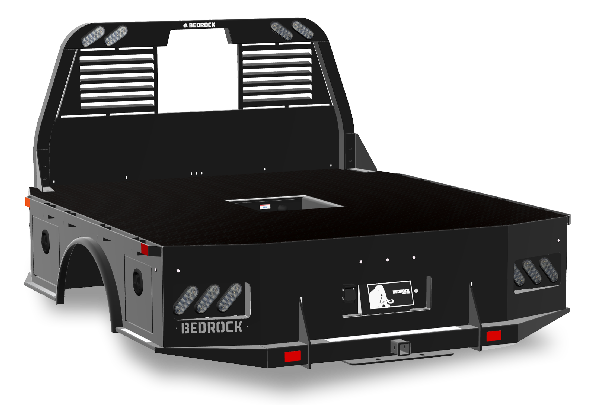
Atomic answer: Bedrock’s Diamond system combines a marine‑grade steel deck, easy‑bolt‑on design, and a 12‑year limited warranty, making it the most cost‑effective solution for heavy‑duty commercial fleets in 2026.
The Diamond series is engineered for 1,800 lb/ft² load capacity, perfect for construction equipment, large pallets, and oversized loads. Its modular panel system lets you replace damaged sections without a full deck swap, cutting downtime by up to 30%. Moreover, Bedrock offers a comprehensive installation guide and on‑site support for fleet operators.
Commercial truck flatbed accessories provide a one‑stop solution that balances durability, ease of maintenance, and price.
How Do I Install Bedrock’s Diamond Decking?
Atomic answer: Installation involves aligning pre‑drilled mounting holes on the trailer frame, bolting the Diamond panels with Grade‑8 bolts, and sealing the joints with a corrosion‑inhibiting gasket; the whole process takes 4‑6 hours for a standard 48‑ft deck.
- Prep the Frame – Clean rust, apply a rust‑inhibitor primer.
- Position Panels – Use the supplied alignment clamps to ensure a tight fit.
- Bolt Down – Insert Grade‑8 bolts (M12 × 1.75) and torque to 85 Nm.
- Seal Joints – Apply Bedrock’s marine‑grade silicone gasket to prevent water ingress.
- Final Inspection – Verify all bolts are torqued, check for gaps, and run a test load.
Bedrock also offers a video tutorial and a downloadable PDF for DIY shops.
What Is the ROI on Upgrading to Modern Flatbed Accessories?
Atomic answer: Upgrading typically yields a 15‑20% reduction in cargo damage claims, a 5‑7% improvement in fuel efficiency, and a 3‑5 year payback period based on lower maintenance and extended deck life.
A 2025 industry report from the American Trucking Associations (ATA) calculated that fleets that switched from wood decking to steel‑based systems saw an average annual savings of $12,000 per 20‑truck operation. Add the reduced downtime from quicker load/unload cycles, and the financial upside becomes clear.
Frequently Asked Questions
Atomic answer: Below are concise answers to the most common questions about commercial truck flatbed accessories, covering material choice, installation, compliance, and cost.
FAQ
- What is the best flatbed decking material for coastal routes? Steel decking with a marine‑grade powder coat—such as Bedrock’s Diamond—offers the highest corrosion resistance and load capacity for salt‑air environments.
- Can I mix different decking materials on the same trailer? Yes, Bedrock’s modular design allows you to combine Diamond panels with Granite or Onyx sections, but ensure the overall load rating does not exceed the weakest panel’s rating.
- How often should tie‑downs be inspected? FMCSA recommends a visual inspection before each trip and a detailed check every 30 days or after any impact event.
- Do LED work lights affect my truck’s electrical system? Modern LED units draw less than 10 W each and can be wired to a dedicated 12 V circuit with a fuse; they typically do not strain the alternator.
- What warranty does Bedrock offer on the Diamond series? A limited 12‑year warranty covering corrosion, panel deformation, and bolt‑hole integrity under normal commercial use.
- Is professional installation required? While experienced shop crews can install the panels, Bedrock provides optional on‑site installation services to guarantee correct torque and sealing.
- How do I calculate the GVWR after adding accessories? Add the weight of each accessory (decking, tie‑downs, lights) to the truck’s base GVWR; ensure the total remains below the legal limit for your vehicle class.
- Are there tax incentives for upgrading to more efficient accessories? Some state programs offer rebates for installing lightweight, fuel‑saving components; check with your local Department of Transportation for 2026 incentives.
Bottom line: Selecting the right commercial truck flatbed accessories—whether Diamond, Granite, or Onyx—can dramatically boost safety, durability, and profitability. Use the comparison table, checklist, and real‑world tips above to make an informed decision that aligns with your fleet’s needs.
Ready to upgrade? Explore the full line of Bedrock’s flatbed solutions and request a free quote today.
Interested in learning more?
Visit our website to explore products, find dealers, and get in touch.
Visit Bedrock Truck Beds →