
Aluminum vs Steel Truck Flatbed: Complete 2026 Guide
Discover the 2026 differences between aluminum and steel truck flatbeds. Compare weight, cost, durability, and get a practical decision checklist to choose the right material for your fleet.
TL;DR: Aluminum flatbeds are lighter, improve fuel efficiency, and resist rust, but carry a higher price tag and require careful load distribution. Steel flatbeds are heavier, more affordable, and excel under extreme weight, yet they add weight to the truck and can corrode if not maintained. In 2026, match material to your payload, mileage, and budget to maximize ROI.
What are the main material differences between aluminum and steel flatbeds?
Atomic answer (40‑60 words): Aluminum is a lightweight alloy (typically 6061‑T6) offering 30‑40% lower mass than comparable steel, while steel (often ASTM A36 or high‑strength grades) provides greater tensile strength and impact resistance. These intrinsic properties drive the trade‑offs in payload capacity, fuel use, and lifecycle cost for commercial trucks.
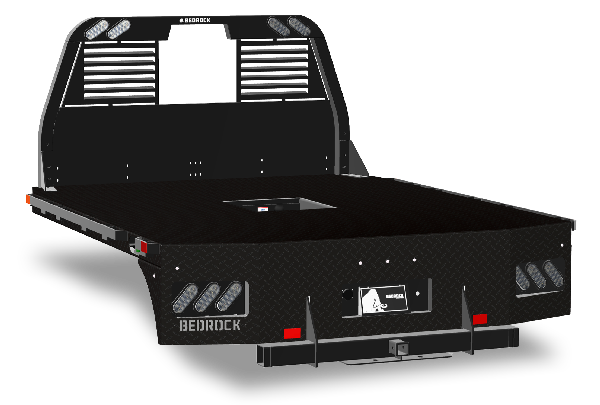
Aluminum’s lower density (2.7 g/cm³) translates into lighter flatbeds that can shave 200‑500 lb off a 53‑ft truck, directly reducing fuel consumption by ~0.5‑1.0 mpg according to the U.S. Department of Energy. Steel, with a density of 7.85 g/cm³, is roughly three times heavier but offers superior yield strength (up to 250 MPa for standard grades, higher for high‑strength variants). This strength lets steel beds support heavier loads without flexing, which can be advantageous for construction equipment, heavy machinery, and bulk commodities.
How does weight affect payload and fuel efficiency?
Atomic answer (40‑60 words): A lighter flatbed adds less dead weight, allowing the truck to carry more cargo within the same gross vehicle weight rating (GVWR). In 2026, an aluminum bed can improve payload by 200‑500 lb and boost fuel economy by up to 1 mpg, saving thousands of dollars annually.
When a truck’s GVWR is fixed—often 80,000 lb for a typical tractor‑trailer—the weight of the flatbed subtracts from the usable cargo allowance. Switching from a 1,200‑lb steel bed to a 800‑lb aluminum bed frees up 400 lb for freight, which can translate to an additional pallet of goods per trip. The fuel savings stem from reduced rolling resistance and lower inertial mass; the American Trucking Associations estimate $0.15‑$0.20 per gallon saved per 100 lb reduction, equating to $2,000‑$4,000 per year for long‑haul operators.
Practical tip: calculate true ROI
- Determine current dead weight (steel bed weight).
- Estimate fuel savings using your average MPG and annual mileage.
- Add payload increase value (average revenue per pound of cargo).
- Subtract material cost difference. If the net gain exceeds $0‑$1,000 per year, aluminum usually pays for itself within 2‑4 years.
Which material offers better corrosion resistance and longevity?
Atomic answer (40‑60 words): Aluminum naturally forms an oxide layer that protects against rust, making it ideal for humid or coastal environments. Steel resists corrosion only when coated (galvanized, paint, or epoxy), and without proper maintenance, it can rust, reducing structural integrity over time.
In maritime or salt‑air regions, aluminum’s corrosion resistance can extend service life by 10‑15 years compared to untreated steel, which may develop pitting within 5‑7 years if coatings fail. Modern steel beds often use hot‑dip galvanizing or advanced polyurethane paints, which mitigate rust but add maintenance cycles. According to the American Society of Mechanical Engineers (ASME), aluminum’s corrosion rate in seawater is less than 0.01 mm/year, while untreated steel can corrode at 0.1 mm/year or faster.
What are the cost implications of choosing aluminum vs steel?
Atomic answer (40‑60 words): Aluminum flatbeds cost 30‑50 % more upfront than steel equivalents due to material and fabrication expenses. However, fuel savings, higher payload, and lower maintenance can offset the initial premium, especially for fleets covering 100,000 + miles annually.
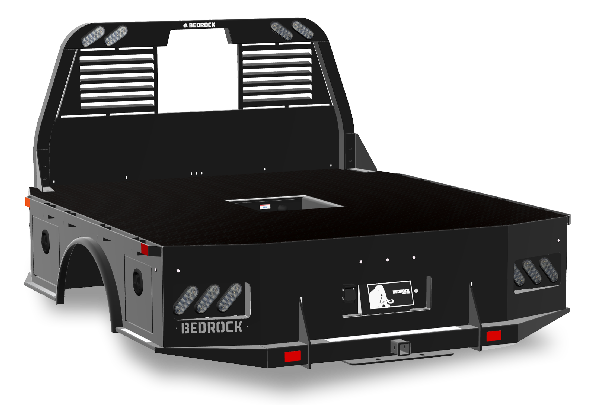
A typical 53‑ft aluminum bed retails for $12,000‑$15,000, while a steel counterpart ranges $8,000‑$10,000. Over a 10‑year lifespan, the fuel savings (average $2,500‑$3,500 per year) and increased revenue from extra payload can recoup the price gap. Steel’s lower purchase price makes it attractive for short‑haul or low‑mileage operations where fuel cost recovery is minimal. Remember to factor in coating renewal costs for steel—usually $500‑$800 every 3‑5 years.
How to decide which flatbed material fits my fleet?
Atomic answer (40‑60 words): Use a decision checklist: evaluate average mileage, payload type, operating environment, budget, and maintenance capabilities. If you run long hauls with high‑value, lightweight cargo in humid climates, aluminum wins; for heavy, low‑speed, cost‑sensitive jobs, steel is usually best.
Decision framework checklist
- Mileage per year – > 80,000 mi → lean toward aluminum.
- Typical payload weight – > 30,000 lb → steel may be safer.
- Cargo value – high‑value, time‑sensitive → aluminum for faster delivery.
- Operating climate – coastal/salty → aluminum; dry interior → steel.
- Budget constraints – limited capital → steel; willing to invest → aluminum.
- Maintenance resources – can perform regular coating upkeep? → steel; prefer low‑maintenance → aluminum.
For an in‑depth comparison, see our Aluminum vs steel truck flatbed resource page which outlines chassis‑versus‑take‑off bed options.
What are common mistakes when comparing aluminum and steel flatbeds?
Atomic answer (40‑60 words): Many buyers focus only on purchase price, ignore payload impact, and underestimate corrosion maintenance. Another frequent error is assuming all aluminum is equal—different alloys and temper designations affect strength, and not all steel beds are created equal in thickness or coating quality.
Mistake #1: Ignoring dead‑weight impact – Overlooking how a heavier steel bed reduces cargo capacity can erode profit margins. Mistake #2: Assuming rust‑proof steel – Without proper coating inspections, steel can rust unnoticed, leading to costly repairs. Mistake #3: Over‑specifying aluminum – Choosing a thin‑gauge alloy to cut costs can cause premature flexing under heavy loads, negating the benefits.
How do regulations and safety standards influence material choice?
Atomic answer (40‑60 words): Federal regulations (FMCSA) dictate maximum GVWR and load distribution, but do not prescribe flatbed material. However, safety standards require that the flatbed sustain specified static and dynamic loads; material selection must meet or exceed those load ratings.
The FMCSA defines Standard Weight Limits for combination vehicles (80,000 lb GVWR for most) and mandates even load distribution across axles. Both aluminum and steel beds must be engineered to meet the ASTM F2361 standard for load‑bearing performance. When selecting a material, verify that the manufacturer’s load rating matches or exceeds the required static (e.g., 40,000 lb) and dynamic (e.g., 25,000 lb) limits for your intended cargo.
What does the industry say about the future of flatbed materials?
Atomic answer (40‑60 words): Industry trends in 2026 show a gradual shift toward aluminum for long‑haul and high‑value freight, driven by fuel‑price volatility and stricter emissions standards. Steel remains dominant in heavy‑duty, low‑cost segments, but hybrid designs (aluminum frames with steel reinforcements) are emerging.
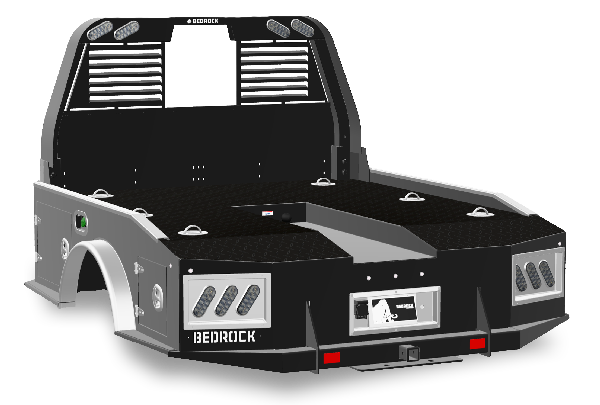
Manufacturers such as Thermo King and ThermalCare report increased demand for lightweight beds to meet EPA2025 emissions targets. Meanwhile, steel suppliers are investing in advanced high‑strength, corrosion‑resistant alloys (e.g., HSLA 600) that reduce weight while maintaining durability. Hybrid beds combine a lightweight aluminum deck with steel side rails, offering a balanced compromise that satisfies both payload and cost concerns.
Frequently Asked Questions (FAQ)
Q1: Does a lighter flatbed increase fuel efficiency for short‑haul trips? A: Yes, but the effect is modest. Short trips benefit from reduced dead weight, yet the fuel savings become significant only when mileage exceeds ~30,000 mi per year.
Q2: Can I retrofit an existing steel bed with aluminum components? A: Some manufacturers offer modular aluminum deck kits that attach to steel frames, providing weight reduction without a full replacement.
Q3: How often should I re‑coat a steel flatbed? A: Typically every 3‑5 years, depending on exposure conditions and coating type. Inspect annually for chips or rust.
Q4: Are aluminum flatbeds more prone to denting? A: Aluminum has lower impact resistance than steel, so heavy equipment should be secured with proper tie‑downs to avoid dents.
Q5: What warranty differences exist between aluminum and steel beds? A: Aluminum decks often carry 5‑year corrosion warranties, while steel beds may offer 3‑year coatings warranties; always check the manufacturer’s terms.
Q6: Does the material affect the truck’s center of gravity? A: Yes. Aluminum’s lighter weight raises the overall center of gravity slightly less than a heavier steel bed, modestly improving stability.
Q7: Are there tax incentives for choosing lighter materials? A: Some states provide fuel‑efficiency rebates for fleets that adopt lightweight components; consult your local transportation authority.
Q8: Which material is better for hauling hazardous materials? A: Both meet safety standards when designed correctly, but steel’s higher impact resistance is often preferred for heavy, hazardous loads.
Ready to upgrade? Explore Bedrock Truckbeds’ full catalog of aluminum and steel flatbeds to find the perfect fit for your operation.
Interested in learning more?
Visit our website to explore products, find dealers, and get in touch.
Visit Bedrock Truck Beds →