
Aluminum vs Steel Truck Flatbed: 2026 Buying Guide
Discover the 2026 aluminum vs steel truck flatbed showdown. Compare weight, cost, durability, and find the right flatbed for your fleet with actionable tips and real‑world examples.
TL;DR: Aluminum flatbeds are lighter, corrosion‑resistant, and improve fuel efficiency, making them ideal for long‑haul and high‑turnover jobs. Steel flatbeds offer higher payload capacity and lower upfront cost, perfect for heavy‑duty hauling. In 2026, evaluate payload, budget, and operating environment to pick the material that maximizes ROI.
What Is the Core Difference Between Aluminum and Steel Truck Flatbeds?
Answer: The fundamental distinction lies in material density and structural behavior: aluminum is about one‑third the weight of steel, giving it a lighter‑than‑air feel that boosts fuel economy, while steel’s higher tensile strength supports heavier loads but adds significant weight to the chassis.
Aluminum’s low density (≈2.7 g/cm³) means a 48‑inch‑wide flatbed can weigh 150‑200 lb less than a comparable steel version. That weight savings translates directly into better miles‑per‑gallon (MPG) and lower tire wear. Steel, with a density of ≈7.85 g/cm³, can endure higher static and dynamic stresses, allowing larger bolt patterns and heavier tie‑down points. The choice influences not only payload but also suspension tuning, brake wear, and overall vehicle dynamics.
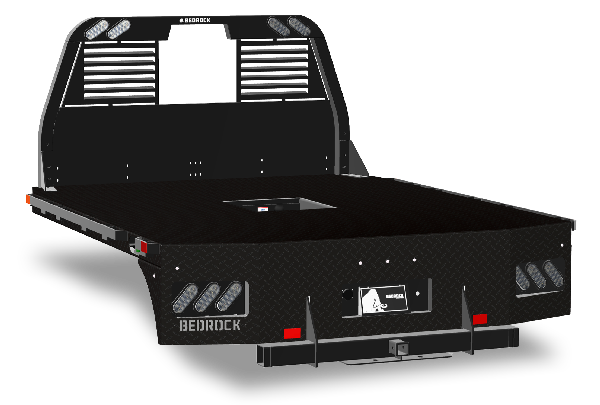
How Do Weight and Payload Capacity Compare?
Answer: Aluminum flatbeds typically shed 150‑250 lb per 48‑inch section, boosting payload by the same amount, whereas steel flatbeds retain more weight but can handle 2‑5 % greater maximum load due to higher yield strength.
Below is a side‑by‑side comparison of typical 48‑inch‑wide flatbeds used on Class 8 trucks in 2026. Numbers reflect average values from major manufacturers.
| Feature | Aluminum Flatbed | Steel Flatbed |
|---|---|---|
| Typical Weight (48 in.) | 350‑400 lb | 550‑620 lb |
| Maximum Payload | 45,000‑48,000 lb | 46,000‑50,000 lb |
| Payload‑to‑Weight Ratio | ~12.5:1 | ~9.8:1 |
| Fuel Savings | 1‑2 % improved MPG | Baseline |
| Corrosion Resistance | Naturally resistant | Requires coating |
| Initial Cost | $1,200‑$1,500 per bed | $900‑$1,200 per bed |
The lighter weight of aluminum can shave up to 150 lb off the gross vehicle weight rating (GVWR) allowance, letting you carry more freight without exceeding legal limits. For fleets that run thousands of miles each year, that small margin accumulates into significant fuel and revenue gains.
Which Material Offers Better Longevity and Maintenance Costs?
Answer: Steel flatbeds generally last longer under extreme abrasive conditions, but aluminum’s corrosion‑free nature reduces long‑term maintenance, often resulting in lower total cost of ownership (TCO) over a 5‑year horizon.
Steel can withstand harsh impacts and repeated tie‑down cycles without deformation, which is why it remains popular in logging, heavy equipment transport, and construction. However, steel demands regular anti‑rust treatments, especially in humid or salty environments. According to the U.S. Department of Transportation – FMCSA, corrosion is a leading cause of premature flatbed replacement, driving up fleet expenses.
Aluminum’s oxide layer protects it from rust, requiring only occasional cleaning and inspection. In coastal regions, this advantage becomes decisive; fleets report up to 30 % fewer corrosion‑related repairs when switching to aluminum.
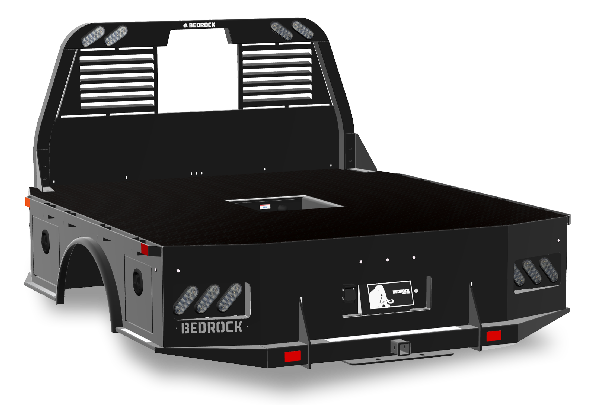
What Are the Cost Implications in 2026?
Answer: As of 2026, aluminum flatbeds cost roughly 20‑30 % more upfront than steel, but the fuel savings and reduced maintenance can offset that premium within 3‑4 years for most regional carriers.
- Aluminum: $1,200‑$1,500 per bed (average). Fuel savings of 1‑2 % equate to $0.03‑$0.05 per gallon, which adds up to $8,000‑$12,000 over three years for a 150,000‑mile fleet.
- Steel: $900‑$1,200 per bed (average). Maintenance (rust treatment, repainting) averages $600‑$900 per year.
A simple break‑even analysis shows that a 30‑truck fleet operating 150,000 miles/year would recoup the higher aluminum price in about 3.5 years, after which the cumulative savings become pure profit.
How Do Corrosion Resistance and Weather Performance Differ?
Answer: Aluminum naturally forms a protective oxide layer that resists rust, making it ideal for coastal or winter road salt environments, while steel requires paint, galvanization, or regular anti‑rust maintenance to achieve comparable protection.
In rainy or salty climates, steel flatbeds often develop surface rust within 12‑18 months unless treated. Galvanized steel adds a zinc coating, extending protection but increasing cost by 10‑15 %. Aluminum’s inherent resistance means fewer inspections and less downtime, crucial for just‑in‑time delivery schedules.
What Are the Real‑World Use Cases for Each Material?
Answer: Aluminum shines in high‑turnover, long‑haul, and refrigerated transport where weight savings boost fuel efficiency, whereas steel dominates heavy‑load, rugged applications such as construction, mining, and logging.
- Aluminum Examples: 53‑ft dry van conversions, regional parcel carriers, refrigerated trucks that benefit from lower center‑of‑gravity, and fleets focused on fuel‑economy incentives.
- Steel Examples: Heavy‑equipment haulers, timber transport, oversized loads that rely on reinforced tie‑down points, and offshore wind‑farm supply trucks where strength outweighs weight concerns.
Practical Tips for Choosing the Right Flatbed for Your Fleet
Answer: Follow a three‑step decision checklist: (1) calculate the weight savings impact on fuel; (2) assess the typical load weight and tie‑down requirements; (3) factor regional corrosion risk and maintenance budget.
Decision Checklist
- Payload Needs: If average load > 45,000 lb, steel may be safer.
- Mileage: Over 100,000 mi/yr per truck? Aluminum fuel savings become significant.
- Environment: Operate near oceans or in winter? Favor aluminum.
- Budget Window: Need the lowest upfront cost? Steel wins.
- Maintenance Capacity: Limited shop resources? Aluminum reduces maintenance chores.
By scoring each factor on a 1‑5 scale, you can objectively rank the best material for each vehicle.
Common Mistakes When Evaluating Aluminum vs Steel Flatbeds
Answer: The most frequent error is focusing solely on upfront price, ignoring long‑term fuel and maintenance costs, or assuming heavier steel automatically means a stronger flatbed for all applications.
- Mistake #1 – Ignoring Payload‑to‑Weight Ratio: Heavier steel beds reduce the net payload you can legally carry.
- Mistake #2 – Over‑Specifying Strength: Most regional loads never exceed aluminum’s capacity; over‑engineering adds cost.
- Mistake #3 – Neglecting Environmental Factors: Choosing steel in a salt‑spray environment spikes corrosion expenses.
Avoid these pitfalls by running a total cost of ownership (TCO) model that spans the expected service life of the flatbed.
How Does Bedrock Truckbeds Help You Decide?
Answer: Bedrock Truckbeds offers an online configurator and expert guidance, letting you compare aluminum and steel flatbeds side‑by‑side and request a tailored quote that reflects your fleet’s unique needs.
Our Aluminum vs steel truck flatbed resource walks you through chassis versus take‑off bed options, material trade‑offs, and financing plans. Whether you need a custom‑cut 48‑inch diamond‑pattern aluminum surface or a rugged steel granite‑finish for heavy equipment, Bedrock’s engineering team can match the right flatbed to your operational profile.
Frequently Asked Questions
Q1: Does an aluminum flatbed affect the truck’s suspension settings? A: Yes. The reduced weight may require softer springs or adjusted spring rates to maintain ride quality and tire wear.
Q2: Can I retrofit a steel flatbed with an aluminum surface? A: Some manufacturers offer hybrid designs, but structural integrity and warranty coverage must be verified.
Q3: How long does a typical flatbed last? A: With proper care, steel can last 12‑15 years, while aluminum often exceeds 15 years due to its corrosion resistance.
Q4: Are there tax incentives for choosing lighter aluminum flatbeds? A: Certain state programs reward fuel‑efficient upgrades; check with your local Department of Transportation.
Q5: What is the best way to protect a steel flatbed from rust? A: Use a high‑quality primer, epoxy topcoat, and schedule regular wash‑downs, especially after exposure to road salt.
Q6: Does the material affect load securement regulations? A: No. FMCSA standards apply to all flatbeds; however, steel often provides more pre‑drilled tie‑down points.
Q7: Which flatbed provides better resale value? A: Aluminum retains value better in regions with high corrosion risk, while steel can command a higher price in heavy‑haul markets.
Q8: How quickly can I get a custom flatbed installed? A: Bedrock typically schedules fabrication and delivery within 4‑6 weeks, depending on specifications and current production backlog.
Interested in learning more?
Visit our website to explore products, find dealers, and get in touch.
Visit Bedrock Truck Beds →