
Aluminum vs Steel Truck Flatbed: Complete Comparison Guide 2026
Compare aluminum vs steel truck flatbeds: durability, weight, cost, and performance. Expert analysis helps you choose the right material for your work truck needs.
TL;DR: Steel flatbeds offer superior durability and lower costs but weigh more, while aluminum provides better fuel efficiency and corrosion resistance at higher prices. Choose steel for heavy-duty work, aluminum for weight-sensitive applications.
Aluminum vs Steel Truck Flatbed: Complete Comparison Guide 2026
Choosing between aluminum and steel for your truck flatbed is one of the most critical decisions that will impact your vehicle's performance, operating costs, and long-term value. Both materials offer distinct advantages and trade-offs that align with different work requirements and budgets.
This comprehensive guide examines every aspect of aluminum versus steel truck flatbeds, from initial costs to long-term performance, helping you make an informed decision based on your specific needs.
What Are the Key Differences Between Aluminum and Steel Flatbeds?
Aluminum and steel flatbeds differ primarily in weight, corrosion resistance, cost, and durability characteristics. Steel offers superior strength-to-cost ratio and easier repairs, while aluminum provides significant weight savings and natural corrosion resistance at a premium price point.
The fundamental differences stem from each material's inherent properties. Steel's higher density makes it heavier but also more robust for heavy-duty applications. Aluminum's lighter weight translates to better fuel economy and increased payload capacity, making it ideal for weight-sensitive operations.
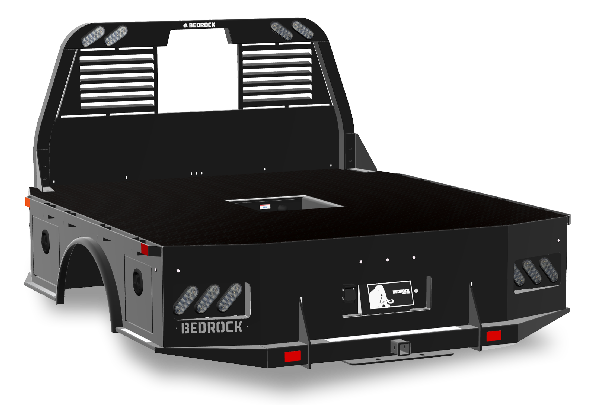
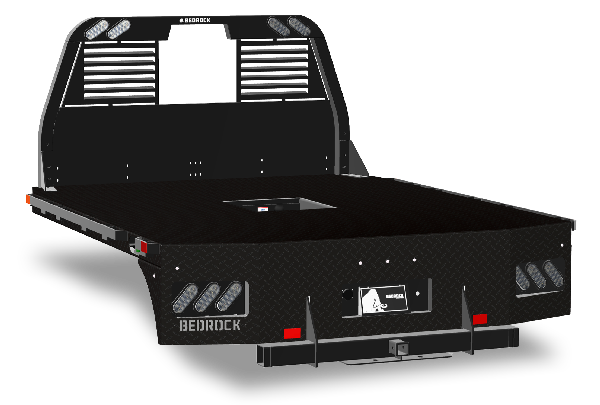
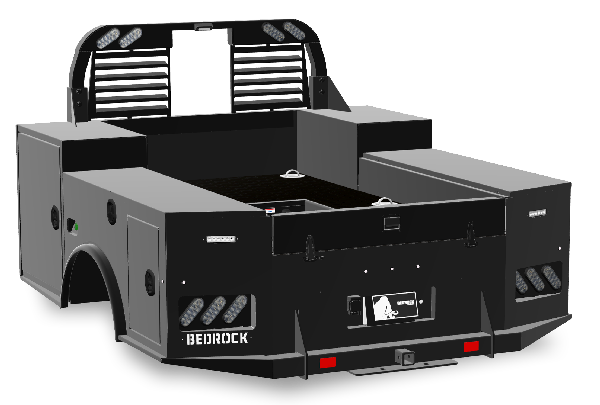
When considering Cab & Chassis vs Take-Off Beds | Flatbeds by BEDROCK Truck Beds, the material choice becomes even more critical as it affects the entire vehicle's performance profile.
Weight Considerations
The weight difference between aluminum and steel flatbeds is substantial. A typical steel flatbed weighs 40-60% more than its aluminum counterpart. For an 8-foot flatbed, this translates to approximately 200-400 pounds of additional weight with steel construction.
This weight difference directly impacts payload capacity. Every pound saved in bed weight allows for an additional pound of cargo, making aluminum particularly attractive for operations approaching gross vehicle weight ratings (GVWR).
How Do Aluminum and Steel Compare in Durability and Strength?
Steel flatbeds typically offer superior impact resistance and structural strength compared to aluminum, making them better suited for heavy-duty applications involving frequent loading of dense materials. However, aluminum provides excellent durability with proper engineering and offers superior fatigue resistance over extended use cycles.
Steel's higher tensile strength allows for thinner material usage while maintaining structural integrity. This characteristic makes steel ideal for applications involving:
- Heavy machinery transport
- Construction material hauling
- Industrial equipment delivery
- Operations with frequent impact loads
Aluminum's Strength Characteristics
Aluminum compensates for lower tensile strength through superior engineering and construction techniques. Modern aluminum flatbeds utilize:
- Extruded aluminum components for enhanced strength
- Strategic ribbing and reinforcement patterns
- High-grade aluminum alloys (typically 6061-T6)
- Welded construction with minimal stress points
According to Aluminum Association International, properly engineered aluminum truck bodies can achieve strength-to-weight ratios comparable to steel while offering significant weight advantages.
What About Corrosion Resistance and Maintenance Requirements?
Aluminum naturally forms a protective oxide layer that prevents further corrosion, requiring minimal maintenance beyond regular cleaning. Steel flatbeds need consistent protective coatings and regular maintenance to prevent rust, especially in harsh environmental conditions or when exposed to road salt.
The maintenance requirements differ significantly between materials:
Steel Maintenance Needs:
- Annual inspection for rust spots
- Touch-up painting as needed
- Complete refinishing every 3-5 years
- More frequent cleaning to prevent salt buildup
- Undercoating replacement
Aluminum Maintenance Requirements:
- Regular washing to maintain appearance
- Periodic inspection for stress cracks
- Minimal coating maintenance
- Longer intervals between major service
In coastal environments or areas with heavy road salt usage, aluminum's corrosion resistance provides substantial long-term value despite higher initial costs.
How Do Costs Compare Between Aluminum and Steel Flatbeds?
Aluminum flatbeds typically cost 30-50% more than steel equivalents initially, but offer potential long-term savings through reduced fuel consumption, lower maintenance costs, and higher resale values. Steel flatbeds provide lower upfront investment with predictable maintenance expenses over their service life.
The total cost of ownership calculation must include:
Initial Purchase Costs (2026 Market Prices):
| Flatbed Size | Steel Price Range | Aluminum Price Range | Price Difference |
|---|---|---|---|
| 8-foot Standard | $3,500 - $5,500 | $5,000 - $8,000 | +43% - +45% |
| 9-foot Extended | $4,200 - $6,500 | $6,000 - $9,500 | +43% - +46% |
| 11-foot Long | $5,500 - $8,000 | $8,000 - $12,000 | +45% - +50% |
Operating Cost Factors:
Fuel Savings with Aluminum:
- 3-7% improvement in fuel economy
- Annual savings of $400-$1,200 for high-mileage operations
- Greater benefit for long-haul applications
Maintenance Cost Differences:
- Steel: $200-$400 annual maintenance
- Aluminum: $100-$200 annual maintenance
- Steel requires more frequent refinishing
Which Material Offers Better Fuel Efficiency?
Aluminum flatbeds provide measurably better fuel efficiency due to weight reduction, typically improving fuel economy by 3-7% compared to steel equivalents. This improvement becomes more significant in stop-and-go driving conditions and long-haul applications where reduced weight impacts overall vehicle efficiency.
The fuel efficiency advantage stems from multiple factors:
- Reduced vehicle weight decreases engine load
- Lower rolling resistance improves highway efficiency
- Better acceleration reduces fuel consumption in city driving
- Increased payload capacity allows more efficient load planning
For operations covering 50,000+ miles annually, the fuel savings can offset aluminum's higher initial cost within 3-5 years, depending on fuel prices and operational patterns.
What Are the Repair and Modification Considerations?
Steel flatbeds offer significant advantages in repairability and modification flexibility, with repairs possible at most welding shops using standard equipment and materials. Aluminum requires specialized welding equipment and trained technicians, making repairs more expensive and potentially creating longer downtime periods.
Steel Repair Advantages:
- Universal availability of repair services
- Lower repair costs
- Easier field repairs
- Standard welding equipment compatibility
- Quick turnaround times
Aluminum Repair Considerations:
- Requires TIG welding equipment
- Certified aluminum welders needed
- Higher repair costs
- Limited repair facility availability
- Longer repair timelines
For fleets operating in remote areas or requiring frequent modifications, steel's repair accessibility provides operational advantages that may outweigh aluminum's performance benefits.
How Do Environmental Factors Affect Material Choice?
Environmental conditions significantly impact the performance and longevity of both aluminum and steel flatbeds. Harsh coastal environments, heavy snow regions with road salt, and industrial areas with corrosive atmospheric conditions favor aluminum's natural corrosion resistance, while moderate climates may not justify aluminum's premium cost.
Climate-Specific Considerations:
Coastal Environments:
- Salt air accelerates steel corrosion
- Aluminum provides 2-3x longer service life
- Higher initial investment justified by longevity
Northern Climates:
- Road salt creates aggressive corrosive conditions
- Steel requires frequent undercoating renewal
- Aluminum eliminates rust-related maintenance
Desert Conditions:
- Aluminum's heat dissipation properties beneficial
- Steel expansion/contraction cycles more pronounced
- Both materials perform adequately with proper maintenance
Industrial Areas:
- Chemical exposure favors aluminum
- Steel coating degradation accelerated
- Material choice impacts insurance costs
What Common Mistakes Do Buyers Make When Choosing?
The most frequent mistake buyers make is focusing solely on initial purchase price without calculating total cost of ownership, leading to suboptimal material choices that cost more over the flatbed's service life. Many buyers also fail to match material properties with their specific operational requirements.
Common decision-making errors include:
Price-Only Decision Making
- Ignoring fuel savings potential
- Underestimating maintenance cost differences
- Missing resale value considerations
- Failing to account for downtime costs
Operational Mismatch
- Choosing aluminum for heavy impact applications
- Selecting steel for weight-sensitive operations
- Ignoring environmental exposure factors
- Overlooking repair accessibility requirements
Specification Oversights
- Inadequate load capacity analysis
- Ignoring GVWR implications
- Missing regulatory compliance requirements
- Underestimating modification needs
According to Commercial Vehicle Safety Alliance, proper vehicle specification matching reduces operational issues by up to 40% over the vehicle's service life.
How Do Bedrock Truck Beds Address Material Selection?
Bedrock Truck Beds offers both aluminum and steel flatbed options engineered for specific operational requirements, ensuring customers receive optimal material performance regardless of their choice. Their engineering approach maximizes each material's inherent advantages while minimizing potential drawbacks.
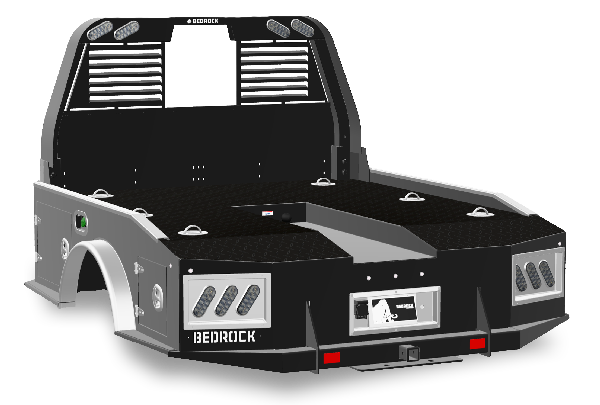
The Quad Granite Flatbed | Bedrock Truck Beds exemplifies advanced steel construction techniques, incorporating strategic reinforcement and protective coatings for enhanced durability and longevity.
For aluminum applications, the Slate Flatbed | Bedrock Truck Beds demonstrates sophisticated aluminum engineering, utilizing extruded components and optimized designs for maximum strength-to-weight ratios.
Bedrock's Material Selection Guidance:
- Steel Recommendations: Heavy-duty applications, budget-conscious operations, rural service areas
- Aluminum Recommendations: Weight-sensitive loads, high-mileage operations, corrosive environments
- Custom Engineering: Hybrid solutions for specialized applications
- Application Analysis: Professional consultation for optimal material selection
Decision Framework: Choosing the Right Material
Use this systematic approach to determine the optimal flatbed material for your specific application:
Step 1: Analyze Your Operations
- Annual mileage expectations
- Typical load weights and types
- Environmental exposure conditions
- Service area characteristics
Step 2: Calculate Total Cost of Ownership
- Initial purchase price difference
- Fuel savings projections
- Maintenance cost estimates
- Expected service life
Step 3: Evaluate Operational Requirements
- Payload capacity needs
- GVWR constraints
- Modification requirements
- Repair accessibility needs
Step 4: Consider Long-term Factors
- Resale value expectations
- Fleet standardization benefits
- Regulatory compliance requirements
- Technology advancement impacts
Making the Final Decision
The aluminum versus steel flatbed decision ultimately depends on your specific operational profile, financial priorities, and long-term business objectives. Neither material is universally superior – success comes from matching material properties with application requirements.
For comprehensive flatbed solutions that maximize your chosen material's performance characteristics, explore Bedrock Truck Beds extensive product line and professional consultation services.
Frequently Asked Questions
How much weight can I save with an aluminum flatbed?
Aluminum flatbeds typically weigh 200-400 pounds less than steel equivalents, depending on size and construction. This weight savings directly translates to increased payload capacity.
Will aluminum flatbeds dent easier than steel?
Aluminum may show surface dents more readily, but properly engineered aluminum flatbeds resist structural damage effectively. Steel better resists impact marks but can suffer more severe structural damage when limits are exceeded.
How long do aluminum versus steel flatbeds last?
In moderate environments, both materials can provide 10-15 years of service. In corrosive conditions, aluminum often lasts 2-3 times longer than steel with proper maintenance.
Can I weld accessories to an aluminum flatbed?
Yes, but aluminum welding requires specialized equipment and training. Steel flatbeds offer more flexibility for field modifications and accessory installation.
What's the break-even point for aluminum's higher cost?
For high-mileage operations (50,000+ miles annually), aluminum's fuel savings and reduced maintenance can offset higher initial costs within 3-5 years.
Do aluminum flatbeds affect truck resale value?
Aluminum flatbeds typically maintain higher resale values due to their durability and fuel efficiency benefits, often commanding 10-20% premiums in the used market.
Which material is better for extreme weather conditions?
Aluminum performs better in corrosive environments (coastal, heavy salt usage), while steel adequately serves moderate climates with proper maintenance.
How do insurance costs compare between aluminum and steel flatbeds?
Insurance costs are typically similar, though some carriers offer slight discounts for aluminum due to lower fire risk and better crash energy absorption characteristics.
Interested in learning more?
Visit our website to explore products, find dealers, and get in touch.
Visit Bedrock Truck Beds →