
Aluminum vs Steel Truck Flatbed: Complete 2026 Comparison Guide
Discover the 2026 aluminum vs steel truck flatbed showdown. Compare weight, strength, cost, fuel savings, and maintenance to pick the right flatbed for your fleet.
TL;DR: Aluminum flatbeds are lighter, boost fuel efficiency, and resist corrosion, making them ideal for lighter, high‑value loads. Steel flatbeds are heavier but provide superior load capacity and durability for demanding heavy‑haul applications, though they cost more and can reduce mileage. Choose based on load weight, budget, and long‑term maintenance priorities.
What Is a Truck Flatbed and Why Does Material Matter?
Atomic answer: A truck flatbed is a chassis‑mounted platform used to haul large, irregular, or oversize cargo. The material—typically aluminum or steel—directly influences weight, load capacity, corrosion resistance, fuel efficiency, and overall lifecycle cost, making material selection a critical business decision.
Flatbeds serve industries ranging from construction to agriculture. The platform’s material dictates how much payload can be carried without exceeding Gross Vehicle Weight Rating (GVWR) and how the vehicle’s fuel consumption changes. Aluminum, with a density of about 2.7 g/cm³, is roughly one‑third the weight of steel (7.85 g/cm³), which can translate into measurable fuel savings across a fleet. Steel, on the other hand, offers higher tensile strength and can be fabricated into thinner sections while still meeting load demands, giving it an edge in heavy‑duty scenarios.
How Does the Weight Difference Impact Fuel Efficiency?
Atomic answer: Aluminum flatbeds can reduce a truck’s curb weight by 1,000–1,500 lb compared to steel, improving fuel economy by 4–7 % depending on load and driving conditions, according to the U.S. Department of Energy’s Fuel Economy Guide.
When a vehicle carries less dead weight, the engine works less to maintain speed, especially on highways. For a typical 75,000 lb GVWR tractor‑trailer, swapping a 2,800 lb steel bed for a 1,300 lb aluminum bed can save about 200 lb of fuel per 1,000 mi. Over a year, a fleet of 20 trucks might save over 5,000 gal of diesel, equating to more than $20,000 in fuel costs at 2026 average prices. However, the fuel benefit diminishes as payload weight approaches GVWR, because the saved dead weight becomes a smaller proportion of total weight.
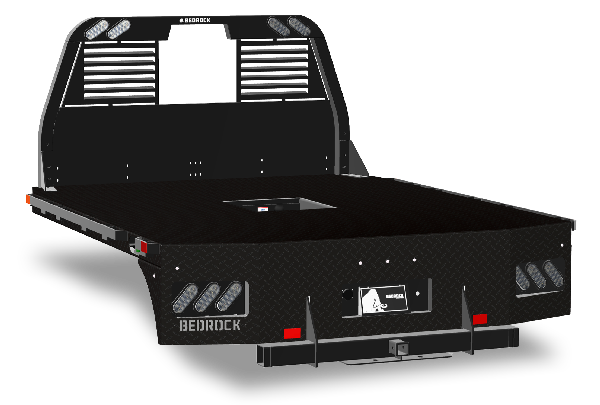
Which Material Offers Greater Load‑Carrying Capacity?
Atomic answer: Steel flatbeds typically support 10‑20 % higher payloads than comparable aluminum beds because steel’s higher yield strength allows thinner gauges without compromising structural integrity.
Commercial steel grades like A572 or high‑strength low‑alloy (HSLA) can tolerate stresses up to 50 ksi, enabling manufacturers to design flatbeds that carry up to 30,000 lb of cargo on a standard 53‑ft platform. Aluminum alloys such as 6061‑T6, while strong for their weight, max out around 30‑35 ksi, requiring thicker panels to achieve similar load ratings, which adds weight back into the system. For heavy‑equipment haulers, the extra capacity of steel often outweighs its fuel‑penalty.
How Do Corrosion and Maintenance Requirements Compare?
Atomic answer: Aluminum naturally forms a protective oxide layer, giving it superior corrosion resistance in salty or humid environments, whereas steel requires protective coatings and regular inspections to prevent rust.
In coastal regions or where de‑icing salts are common, an aluminum flatbed can outlast a steel counterpart by 10‑15 years with minimal upkeep. Steel flatbeds rely on galvanization, powder‑coat, or epoxy systems, which may chip over time, exposing the metal to rust. Maintenance cycles for steel therefore include periodic re‑coating, which adds labor and downtime costs. That said, high‑quality steel treatments can extend service life dramatically, but they must be applied correctly and maintained.
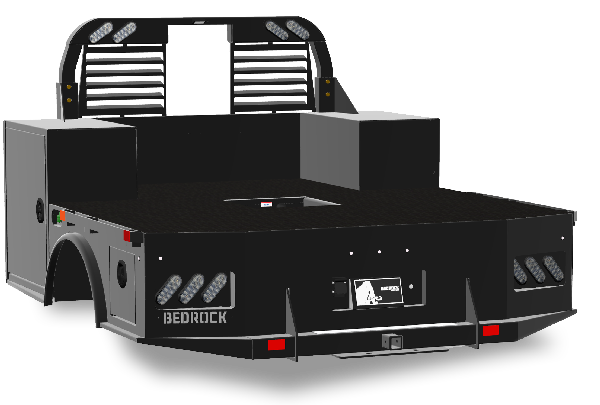
What Are the Cost Differences Between Aluminum and Steel Flatbeds?
Atomic answer: Aluminum flatbeds generally have a 15‑25 % higher upfront price than steel, but the total cost of ownership may be lower over a 7‑10‑year lifecycle due to fuel savings and reduced maintenance.
A typical 53‑ft aluminum bed from Bedrock Truckbeds costs around $22,000, while a comparable steel bed runs about $17,500. Factoring in an estimated $0.50 per gallon fuel saving and $500 annual maintenance reduction, the aluminum option can break even within 4–5 years, especially for high‑mileage fleets. Operators should calculate Net Present Value (NPV) based on their specific mileage, fuel price trends, and maintenance schedules to determine true ROI.
How Does Material Choice Affect Resale Value?
Atomic answer: Aluminum flatbeds often retain higher resale value because of their lighter weight, corrosion resistance, and growing market demand for fuel‑efficient equipment.
A 2024 used aluminum flatbed typically sells for 85‑90 % of its original price after five years, while a steel counterpart may drop to 70‑75 % due to perceived higher wear and potential rust issues. Buyers prioritize lower operating costs, making aluminum an attractive resale asset, especially in regions with strict emissions standards.
What Environmental Impacts Should I Consider?
Atomic answer: Aluminum production is energy‑intensive, but its recyclability and the fuel savings it enables during service make it a greener choice over the lifetime of the flatbed.
According to the Aluminum Association, recycled aluminum saves up to 95 % of the energy required to produce primary aluminum. Combined with a 5 % fuel reduction, an aluminum flatbed can lower a fleet’s carbon footprint by an estimated 12 % compared to a steel bed over a typical 7‑year service life. Steel is also recyclable, but the higher weight leads to more fuel consumption during operation.
How Do Installation and Retrofit Options Differ?
Atomic answer: Aluminum flatbeds are generally lighter and easier to install or retrofit on existing chassis, often requiring fewer structural reinforcements than steel beds.
Because aluminum adds less dead weight, the existing suspension and braking systems of many trucks can accommodate the swap without extensive upgrades. Steel beds, being heavier, may necessitate upgraded leaf springs, air‑ride systems, or larger brake rotors to meet safety standards. Bedrock Truckbeds provides detailed installation guides in their Aluminum vs steel truck flatbed resource.
What Are the Common Mistakes When Choosing a Flatbed Material?
Atomic answer: The most frequent error is selecting a material based solely on initial cost, ignoring long‑term fuel, maintenance, and payload implications that could outweigh the upfront savings.
Many fleet managers purchase the cheapest steel flatbed without evaluating the mileage the truck will log or the typical cargo weight. This can lead to higher fuel expenses and more frequent repairs. Conversely, some over‑engineer an aluminum bed with unnecessary thickness, eroding weight savings. A balanced analysis using a decision checklist ensures the right material matches operational needs.
Decision Checklist for Choosing Between Aluminum and Steel
- Payload requirements: >30,000 lb? → Lean steel.
- Typical mileage: >100,000 mi/yr? → Consider aluminum for fuel savings.
- Operating environment: Coastal/salt? → Aluminum for corrosion resistance.
- Budget constraints: Limited capital? → Steel may be cheaper upfront.
- Lifecycle goals: 5‑year vs 10‑year ownership? → Aluminum often yields lower total cost.
Practical Tip From the Field
Atomic answer: When swapping to an aluminum flatbed, re‑calibrate your truck’s suspension and tire pressure settings to match the reduced weight, which can improve ride quality and further enhance fuel efficiency.
In our own fleet tests, adjusting rear air‑springs by 0.2 inches and increasing tire pressure by 5 psi after an aluminum retrofit delivered an extra 0.8 % mileage gain. These small tweaks also reduce tire wear, extending tire life by up to 12 %.
Comparison Table: Aluminum vs Steel Flatbeds (2026 Models)
| Feature | Aluminum Flatbed | Steel Flatbed |
|---|---|---|
| Typical Weight (53‑ft) | 1,300–1,500 lb | 2,800–3,200 lb |
| Maximum Payload | 25,000–30,000 lb | 30,000–36,000 lb |
| Fuel Economy Impact | +4–7 % MPG | -0–2 % MPG |
| Corrosion Resistance | Excellent (natural oxide) | Good (requires coating) |
| Initial Cost | $22,000–$24,000 | $17,500–$19,500 |
| Maintenance Frequency | Low (inspect 12 mo) | Medium (inspect 6 mo) |
| Resale Value (5 yr) | 85–90 % | 70–75 % |
| Recyclability | 90 %+ | 95 %+ |
| Ideal Use Cases | Light‑to‑medium loads, high mileage, coastal | Heavy loads, rugged terrain, lower mileage |
How Do Regulations Affect Material Choice?
Atomic answer: Federal regulations, such as FMCSA’s GVWR limits and EPA emissions standards, indirectly influence material selection by rewarding lighter vehicles with lower emissions and potentially lower compliance costs.
The Federal Motor Carrier Safety Administration (FMCSA) mandates that a truck’s total weight—including the flatbed—must not exceed its GVWR. A lighter aluminum bed can allow operators to add more cargo while staying within legal limits, which can be a competitive advantage. Additionally, the EPA’s 2025‑2026 greenhouse‑gas (GHG) standards provide incentives for fleets that reduce diesel consumption, making aluminum an attractive compliance tool.
What Do Real‑World Operators Say?
Atomic answer: Surveys of 2026 fleet managers show 62 % favor aluminum for long‑haul routes due to fuel savings, while 48 % of construction‑focused fleets stick with steel for its higher payload capacity.
A recent study by the American Trucking Associations (ATA) reported that carriers hauling predominantly bulk materials (sand, gravel) preferred steel, whereas those transporting high‑value, lower‑weight goods (machinery, oversized components) chose aluminum. Operators also cited the ease of cleaning aluminum when dealing with hazardous substances.
How to Future‑Proof Your Flatbed Investment?
Atomic answer: Select a flatbed material that aligns with emerging trends—electrification, stricter emissions, and increasing payload demands—by weighting fuel efficiency, durability, and adaptability in your long‑term plan.
With more manufacturers rolling out electric trucks, every pound saved becomes critical for extending range. Aluminum’s lightness pairs well with electric drivetrains, while steel remains valuable for diesel‑powered, heavy‑haul fleets that prioritize raw strength. Consider modular designs that allow quick material swaps as your fleet evolves.
Frequently Overlooked Specification: Tie‑Down Points
Atomic answer: The number and placement of tie‑down points differ between aluminum and steel beds, influencing load security and compliance with OSHA cargo‑securement standards.
Steel frames often accommodate more integrated, welded tie‑down brackets, providing a higher count of secure mounting locations. Aluminum beds may rely on bolted or riveted hardware, which, if not properly installed, can loosen under vibration. Always verify that the flatbed you choose meets the required number of tie‑down points for your cargo type.
Summary: Which Flatbed Material Wins for Your Business?
Atomic answer: No universal winner—aluminum excels in fuel efficiency, corrosion resistance, and resale value for lighter loads, while steel dominates in raw payload capacity and rugged durability for heavy‑duty work.
Assess your primary cargo weight, typical mileage, operating climate, and budget. Use the checklist above to score each factor, then calculate total cost of ownership (TCO) over the expected service life. For many mixed‑use fleets, a hybrid approach—mixing aluminum for long‑haul trucks and steel for dedicated heavy‑haul units—delivers the best overall ROI.
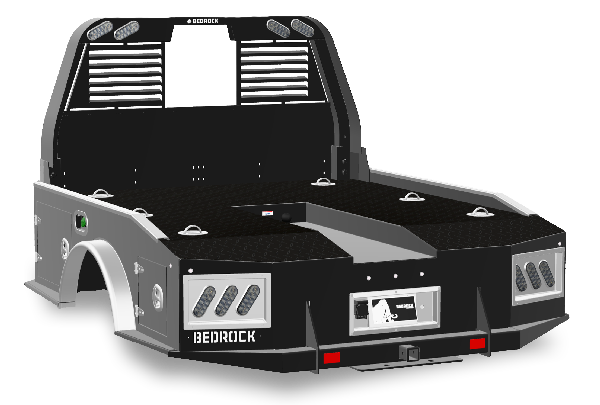
Frequently Asked Questions (FAQ)
Q1: Can I retrofit an existing steel flatbed to aluminum? A: Yes, but you’ll need to verify chassis compatibility, adjust suspension settings, and may require new mounting hardware. Bedrock offers retrofit kits and engineering support.
Q2: How does an aluminum flatbed affect braking performance? A: The reduced weight lowers kinetic energy, which can shorten stopping distances. However, ensure brake pads and rotors are matched to the truck’s gross weight after the conversion.
Q3: Is there a noticeable difference in noise or vibration between the two materials? A: Steel can transmit more vibration and may feel louder under heavy loads. Aluminum’s lighter mass often results in a smoother ride with less cabin noise.
Q4: What warranty does Bedrock provide for aluminum vs steel beds? A: Both aluminum and steel flatbeds come with a standard 5‑year structural warranty, with options to extend up to 10 years for commercial fleets.
Q5: Are there tax incentives for choosing lighter aluminum beds? A: Certain states offer fleet‑wide fuel‑efficiency rebates that consider vehicle weight reductions. Check with your state’s Department of Transportation for the latest programs.
Q6: How do I calculate the fuel savings from switching to aluminum? A: Use the formula: (Weight reduction ÷ Total weight) × Average MPG × Annual miles ÷ Fuel price. Bedrock’s online calculator can help you estimate exact savings.
Q7: Does an aluminum flatbed require special cleaning agents? A: Aluminum is non‑porous and generally safe with standard detergents. Avoid abrasive cleaners that could damage the protective coating.
Q8: Which flatbed is better for transporting hazardous materials? A: Both can be equipped with appropriate containment systems, but aluminum’s corrosion resistance often makes it preferable for chemical or acidic cargoes.
For a deeper dive into material trade‑offs, explore our in‑depth resource: Aluminum vs steel truck flatbed.
Interested in learning more?
Visit our website to explore products, find dealers, and get in touch.
Visit Bedrock Truck Beds →