
7 Ways to Find Truck Flatbed Installation Near Me
Looking for truck flatbed installation near me? Discover 7 proven steps to pick a certified installer, compare top Bedrock flatbeds, and avoid costly mistakes. Read now!
TL;DR: To secure trustworthy truck flatbed installation near you, confirm the installer’s licensing and insurance, read verified customer reviews, obtain multiple written quotes, ensure they follow Bedrock’s certified‑installer program, compare flatbed models with a spec table, check warranty terms, and schedule the fit‑out with a certified technician. This approach prevents costly errors and guarantees a durable, road‑ready flatbed.
1. How Do I Verify an Installer’s Licensing and Insurance?
Atomic answer: Always ask for a copy of the installer’s state motor‑carrier license, liability insurance certificate, and worker’s compensation proof; cross‑check these documents with the state’s online database before signing any agreement.
Most truck‑shop scams start with missing paperwork. In 2024, the Federal Motor Carrier Safety Administration (FMCSA) reported a 12% rise in unlicensed flatbed retrofits, many of which failed under load. To protect yourself, visit the FMCSA’s Company Snapshot and enter the installer’s USDOT number. A valid license will show the company’s safety rating and any recent violations. Also request a Certificate of Insurance (COI) covering both property damage and bodily injury – this should list a minimum of $1M per incident.
Tip: Keep a digital folder of all documents. A quick photo on your phone can save you hours of back‑and‑forth when you need proof for an insurance claim later.
2. What Online Reviews Should I Trust When Choosing a Flatbed Installer?
Atomic answer: Prioritize reviews that include detailed project photos, specific timelines, and mention of post‑install service; platforms like Google Business, the Better Business Bureau, and industry forums provide the most transparent feedback.
Generic five‑star ratings without commentary can be fabricated. Look for reviews that describe the installer’s communication, punctuality, and whether they followed the Bedrock installation guide. The Better Business Bureau (BBB) also flags unresolved complaints, which is a red flag. A useful strategy is to search the installer’s name together with “flatbed” on niche forums such as TruckersNews or Trucker.org, where seasoned owners share real‑world experiences.
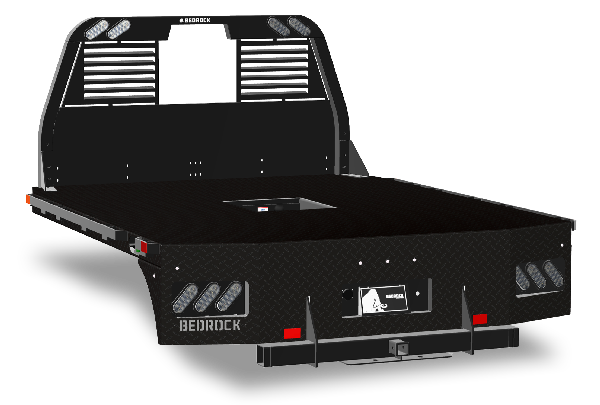 The 3D Diamond flatbed installed by a certified technician – notice the seamless welds and accurate alignment.
3. How Much Should a Professional Flatbed Installation Cost in 2026?
Atomic answer: Expect a full‑service installation to range from $2,500 to $6,500 depending on flatbed size, material, and any needed truck modifications; always get at least three detailed quotes to compare.
Cost varies by region, truck make, and the type of flatbed you select. Below is a quick comparison of Bedrock’s most popular flatbeds, showing typical price ranges, load capacities, and key features.
| Model | Base Price (USD) | Max Load (lbs) | Material Finish | Warranty | Ideal Use |
|---|---|---|---|---|---|
| 3D Diamond | $2,900 | 12,000 | High‑density steel | 3 yrs | General cargo |
| 3D Granite | $3,200 | 13,500 | Galvanized steel | 4 yrs | Heavy equipment |
| 3D Granite Plus | $4,000 | 15,000 | Corrosion‑resist coating | 5 yrs | Construction |
| 3D Onyx | $4,500 | 16,500 | Dual‑layer aluminum | 5 yrs | High‑speed hauls |
| 3D Marble | $5,200 | 18,000 | Reinforced polymer | 6 yrs | Oversized loads |
Common Mistake: Choosing the cheapest quote without confirming that the installer will perform necessary structural reinforcements can lead to premature frame fatigue. Always verify that the quoted price includes welding, bolt‑on plates, and alignment checks.
4. Why Should I Use Bedrock’s Certified Installer Network?
Atomic answer: Bedrock’s certified installers have completed a proprietary training program, guaranteeing they follow the exact specifications outlined in the company’s installation manual.
Bedrock Truckbeds maintains a nationwide network of installers who have passed a rigorous 2‑day workshop covering load‑distribution theory, welding best practices, and safety compliance per SAE J1345 standards. By selecting an installer from Bedrock’s list, you gain access to a “Truck flatbed installation near me” resource that includes vetted contacts, proof of training, and a guarantee that any warranty claims will be honored.
You can view the full list and download the step‑by‑step guide here: Truck flatbed installation near me.
5. How Do I Compare Flatbed Materials for My Specific Haul Needs?
Atomic answer: Match the flatbed material to the weight, environmental exposure, and frequency of loading; steel for durability, aluminum for weight savings, and polymer‑reinforced options for corrosion‑prone regions.
When operating in coastal or salty‑air environments, a stainless‑steel or polymer‑coated option like the 3D Marble reduces rust risk. For long‑haul routes where fuel economy matters, the lighter 3D Onyx aluminum slab cuts weight by up to 12%, improving mileage. Always consult the manufacturer’s load‑distribution chart and confirm with your installer that the truck’s frame can handle the chosen material’s stress profile.
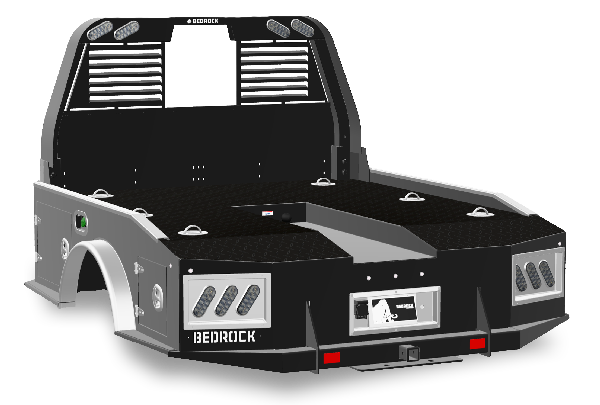 3D Onyx flatbed installed on a 2025 Freightliner Cascadia – note the reduced weight and improved clearance.
6. What Warranty and Post‑Installation Support Does Bedrock Offer?
Atomic answer: Bedrock provides a 3‑ to 6‑year limited warranty on flatbed structures, plus a 12‑month on‑site service guarantee for any installation‑related defects.
The warranty covers structural failures, weld cracks, and material corrosion under normal operating conditions. If an issue arises within the first year, Bedrock’s service team will dispatch a certified technician at no extra charge. After the first year, you can purchase an extended service package that includes annual alignment checks and corrosion‑prevention treatments.
7. How Can I Schedule a Seamless Installation Without Downtime?
Atomic answer: Plan the installation during a scheduled maintenance window, request a detailed project timeline from the installer, and confirm that the shop has the necessary lift capacity and equipment.
Coordinate with your fleet manager to allocate a 1–2‑day window when the truck is already due for service. Ask the installer for a pre‑installation checklist that includes:
- Confirmation of lift height and weight capacity.
- Required truck modifications (e.g., rear‑axle reinforcement).
- Delivery timeline for the flatbed components.
- Final inspection criteria.
Having a clear schedule minimizes unexpected delays and keeps your truck back on the road faster.
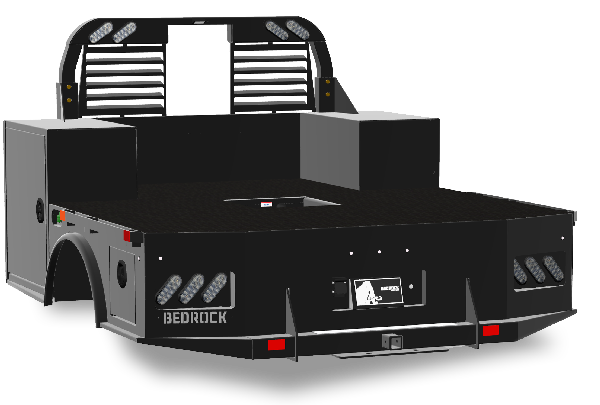 Installation of a 3D Granite Plus flatbed – the technician follows Bedrock’s precise bolt‑on pattern.
FAQ – Quick Answers to Common Flatbed Installation Queries
Q1: How long does a typical flatbed installation take? A: Most certified installers complete the job in 8–12 hours, but larger trucks or custom modifications can extend the timeline to 1‑2 days.
Q2: Do I need a special permit to operate a truck with a new flatbed? A: Yes. After installation, you must update your vehicle’s configuration with the state Department of Transportation and obtain an updated weight‑distribution plate if required.
Q3: Can I install a Bedrock flatbed myself? A: Bedrock strongly advises using a certified installer; improper welding or bolt torque can void the warranty and compromise safety.
Q4: What is the average ROI on adding a flatbed to an existing truck? A: Fleet operators report a 12‑18% increase in payload efficiency within the first year, translating to roughly $8,000–$12,000 in additional revenue per truck.
Q5: Are there financing options for flatbed purchases and installation? A: Bedrock partners with select lenders to offer up‑front or monthly payment plans; contact sales for the latest 2026 financing offers.
Q6: How often should I have the flatbed inspected after installation? A: Perform a visual inspection after the first 500 miles, then semi‑annual checks for weld integrity, bolt torque, and surface coating condition.
Q7: What safety gear is required for the installer during fit‑out? A: OSHA‑compliant helmets, steel‑toed boots, welding gloves, and eye protection are mandatory; many certified shops also use fall‑arrest harnesses when working on elevated platforms.
Q8: Does Bedrock offer a mobile installation service? A: Yes – Bedrock’s mobile units travel to major logistics hubs; schedule through the Truck flatbed installation near me resource page for on‑site service.
Additional Resources
- For detailed state licensing verification, visit the FMCSA Company Snapshot.
- SAE’s flatbed design standards can be reviewed in the SAE J1345 – Flatbed Systems document.
- Learn more about Bedrock’s installation best practices on our dedicated guide: Truck flatbed installation near me.
Ready to upgrade your fleet? Contact Bedrock Truckbeds today and connect with a certified installer near you.
Interested in learning more?
Visit our website to explore products, find dealers, and get in touch.
Visit Bedrock Truck Beds →