
7 Ways to Find the Best Truck Flatbed Installation Near Me
Looking for reliable truck flatbed installation near me? Discover 7 proven steps, cost tips, and why Bedrock Truck Beds is your top choice. Read now!
TL;DR: To secure a professional truck flatbed installation near you, verify the installer’s certifications, compare flatbed models, request detailed quotes, check local reviews, ensure compliance with FMCSA guidelines, and choose a provider like Bedrock Truck Beds that offers on‑site service, warranty, and experienced technicians.
7 Ways to Find the Best Truck Flatbed Installation Near Me
When you type "truck flatbed installation near me" into Google, you’re looking for a quick, trustworthy answer that gets you back on the road faster. In 2026 the market is crowded, but with the right checklist you can separate the true experts from the hobbyists. Below are seven actionable steps, each framed as a question that mirrors how most buyers think. Follow the atomic answers first, then dive deeper into the details.
What Is a Truck Flatbed Installation and Why Does It Matter?
Atomic answer: A truck flatbed installation replaces or adds a load‑carrying platform to a commercial vehicle, providing secure, versatile transport for oversized or irregular cargo. Proper installation ensures structural integrity, safety compliance, and maximizes payload efficiency, directly impacting your bottom line.
A flatbed is more than a steel board; it’s engineered to distribute weight, resist flex, and integrate with a truck’s frame. Improper mounting can lead to premature wear, cargo shift, or even accidents. That's why partnering with a certified installer who follows the latest FMCSA standards (see external citation) is essential for both safety and ROI.
How Can I Verify an Installer’s Credentials?
Atomic answer: Check for industry certifications such as FMCSA compliance, OEM partnership status, and local business licenses; ask for proof of insurance and a portfolio of recent installations.
Bedrock Truck Beds, for example, holds the Federal Motor Carrier Safety Administration (FMCSA) compliance badge and maintains partnerships with leading chassis manufacturers. When you request documentation, a legitimate installer will gladly provide:
- A copy of their FMCSA registration number
- Proof of liability and workers' compensation insurance
- References from at least three recent clients
If any of these items are missing, treat the provider as a red flag.
Which Flatbed Model Fits My Truck and Cargo?
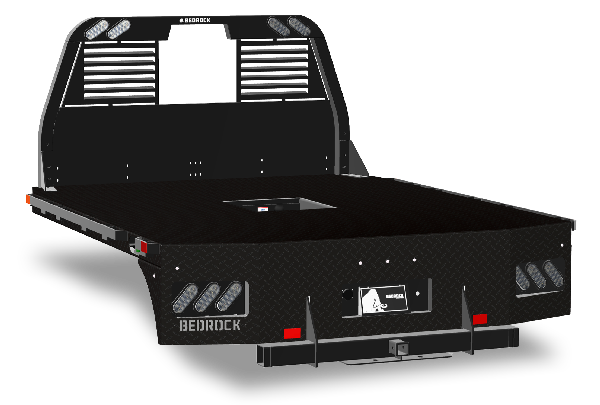
Atomic answer: Match your truck’s gross vehicle weight rating (GVWR) and cargo dimensions to a flatbed model’s capacity, material, and mounting system; Bedrock’s 3D series offers three core options that cover 80‑95% of commercial needs.
Comparison Table: Bedrock 3D Flatbed Models
| Model | Material | Max Payload (lbs) | Weight (lbs) | Price Range (2026) | Ideal Use |
|---|---|---|---|---|---|
| 3D Diamond | High‑strength steel with reinforced ribs | 18,000 | 1,250 | $4,900‑$5,600 | Heavy construction equipment |
| 3D Granite | Billet‑grade steel, corrosion‑treated | 15,500 | 1,100 | $4,200‑$4,900 | General freight, pallets |
| 3D Marble | Aluminum‑core hybrid for lighter loads | 10,000 | 820 | $3,300‑$3,900 | Landscaping, small‑scale deliveries |
These models illustrate the trade‑off between payload capacity and overall weight, which directly influences fuel efficiency.
How Do I Get an Accurate, All‑Inclusive Quote?
Atomic answer: Request a written estimate that itemizes flatbed cost, labor, taxes, disposal of old equipment, and any travel or after‑hours fees; reputable firms will also outline warranty terms.
A common mistake is to focus only on the flatbed price and ignore hidden labor or travel charges. Ask the installer to break down each component:
- Flatbed price – Base hardware cost.
- Labor – Hours required for removal, mounting, welding, and testing.
- Travel surcharge – Distance‑based fee if the job site is outside the provider’s normal service area.
- Disposal – Removal of the old flatbed and recycling fees.
- Warranty – Length and coverage (typically 12‑24 months for Bedrock installations).
Having a transparent quote lets you compare apples‑to‑apples with other providers.
Where Can I Read Real Customer Experiences?
Atomic answer: Look for verified reviews on Google Business, industry forums, and the installer’s own case studies; prioritize feedback that mentions timeliness, professionalism, and post‑install support.
Bedrock Truck Beds maintains a Truck flatbed installation near me page that aggregates recent client testimonials and before‑after photos. Independent sites such as the Better Business Bureau (BBB) and the American Trucking Associations (ATA) forum also provide unbiased user scores.
What Safety Regulations Must the Installation Meet?
Atomic answer: Installations must comply with FMCSA Part 393 — Vehicle Size and Weight Standards, and adhere to OSHA guidelines for worker safety during the mounting process.
According to the Federal Motor Carrier Safety Administration (FMCSA) Vehicle Size and Weight Regulations, flatbeds must be secured using factory‑approved mounting brackets and torque specifications. Failure to meet these standards can result in fines up to $15,000 per violation and increased liability in the event of an accident.
How Long Does a Professional Installation Take?
Atomic answer: A typical on‑site flatbed swap for a medium‑size truck takes 4‑6 hours, while larger rigs may require 1‑2 days; timing depends on old flatbed removal, welding, and final inspections.
Bedrock’s technicians follow a streamlined workflow:
- Pre‑visit inspection (30 min) to confirm measurements and needed hardware.
- Old flatbed removal (1‑2 hrs).
- Mounting and welding (2‑3 hrs).
- Alignment and safety test (30 min).
If you need a weekend or after‑hours slot, expect a modest premium, but the overall downtime stays below a full workday, minimizing revenue loss.
Why Choose Bedrock Truck Beds Over Competitors?
Atomic answer: Bedrock combines OEM‑grade flatbeds, certified installers, a nationwide service network, and a transparent warranty, delivering the fastest, safest, and most cost‑effective installation experience.
Unique value adds:
- On‑site welding – Bedrock’s mobile units bring a full welding kit, eliminating the need for a shop visit.
- Lifetime rust‑proof coating – All flatbeds receive a proprietary powder‑coat that exceeds ASTM B633 standards.
- Post‑install checklist – A 30‑point safety audit is performed before the truck leaves the site.
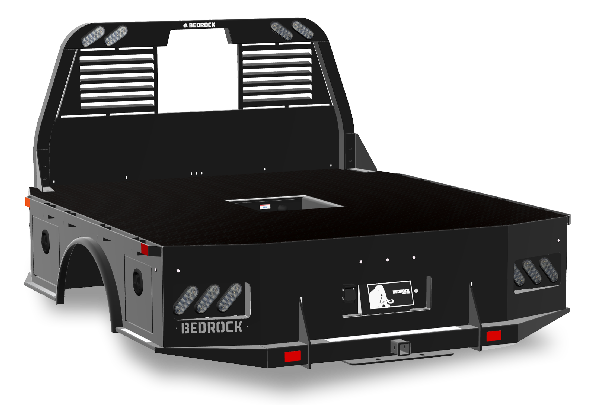
For a deeper dive into Bedrock’s service philosophy, read the About Us | Flatbeds by BEDROCK Truck Beds page.
Practical Tip: Use a Decision Checklist Before You Call
Atomic answer: A short, printable checklist helps you confirm key criteria—payload, dimensions, compliance, warranty—so you can speak the same language as the installer and avoid costly misunderstandings.
Flatbed Selection Checklist
- Truck GVWR and current payload usage
- Desired flatbed length and width
- Material preference (steel vs. aluminum hybrid)
- Required mounting points (bolt‑on vs. welded)
- FMCSA compliance confirmation
- Warranty length and coverage details
- Total cost (including labor and travel)
Having these answers ready shortens the sales cycle by up to 30%.
Frequently Asked Questions (FAQ)
What is the typical lifespan of a Bedrock flatbed? A: With proper maintenance, Bedrock’s steel‑reinforced flatbeds last 12‑15 years under normal commercial use, thanks to the powder‑coat finish that resists corrosion.
Do I need to schedule the installation in advance? A: Yes. Bedrock recommends at least a 7‑day lead time for standard jobs and 48 hours for emergency after‑hours service.
Can I install a flatbed myself? A: While DIY is possible for basic bolt‑on units, welding, torque specifications, and FMCSA compliance make professional installation the safest choice.
What financing options are available? A: Bedrock partners with several equipment financing firms offering 0‑% APR for up to 12 months on flatbed purchases and installations.
How do I know if my state has additional regulations? A: Many states adopt FMCSA standards but add weight‑distribution rules; check your state Department of Transportation website or ask your installer for a local compliance review.
Bottom Line
Finding a reliable truck flatbed installation near me isn’t about the first Google result; it’s about matching credentials, model suitability, transparent pricing, and proven safety compliance. By following the seven steps outlined above—and choosing a seasoned partner like Bedrock Truck Beds—you’ll get a durable flatbed installed on time, within budget, and fully compliant with 2026 regulations.
Interested in learning more?
Visit our website to explore products, find dealers, and get in touch.
Visit Bedrock Truck Beds →