
7 Steps to Truck Flatbed Installation Near Me (2026)
Discover the 7 crucial steps for truck flatbed installation near me in 2026. Learn how Bedrock Truck Beds ensures quality, compliance, and local service—click to get expert tips and find a dealer today!
TL;DR: Installing a truck flatbed near you requires selecting the proper model, partnering with a certified dealer, preparing the chassis, following exact mounting procedures, complying with DOT safety rules, testing load limits, and finalizing warranty paperwork. Bedrock Truck Beds offers a step‑by‑step guide, local dealer network, and dedicated support to make the process painless and compliant in 2026.
What is the first step in a truck flatbed installation near me?
Atomic answer (40‑60 words): The first step is to assess your truck’s payload capacity, wheelbase, and intended cargo type. This determines the appropriate flatbed size and load‑rating, ensuring you purchase a model that won’t overload the chassis or violate FMCSA weight limits.
How to evaluate payload and wheelbase
- Locate the manufacturer’s GVWR (Gross Vehicle Weight Rating) on the door sticker or in the owner’s manual.
- Measure the distance between the front and rear axle centers – this is your wheelbase.
- Use Bedrock’s online Truck flatbed installation near me guide to match your measurements with available flatbed models.
Which Bedrock flatbed model best fits my needs?
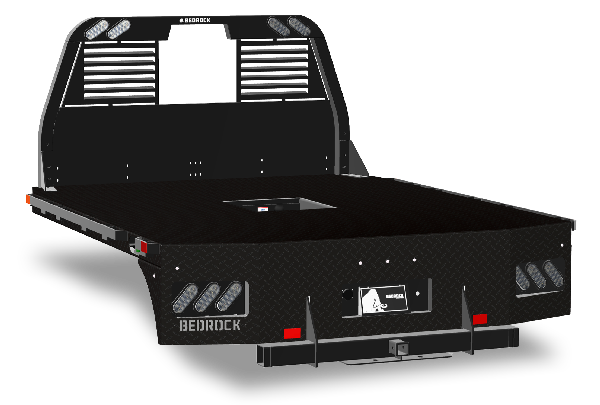
Atomic answer (40‑60 words): Compare Bedrock’s core series—Diamond, Granite, Granite Plus, Onyx, and Marble—against your payload, length, and budget. The Diamond offers the lightest weight for smaller trucks, while Marble provides the highest load capacity for heavy‑duty applications.
Comparison table of Bedrock flatbed models
| Model | Max Load Capacity | Length Range | Approx. Price (USD) | Ideal Use |
|---|---|---|---|---|
| 3D Diamond | 4,500 lb | 8‑10 ft | $4,200 | Light‑duty delivery vans |
| 3D Granite | 6,800 lb | 10‑12 ft | $5,900 | Regional haulers |
| 3D Granite Plus | 8,500 lb | 12‑14 ft | $7,300 | Mixed‑load fleets |
| 3D Onyx | 10,200 lb | 14‑16 ft | $9,100 | Heavy‑duty construction |
| 3D Marble | 12,500 lb | 16‑18 ft | $11,400 | Bulk material transport |
Prices are MSRP for 2026; discounts may apply through authorized dealers.
How do I locate a certified Bedrock dealer near me?
Atomic answer (40‑60 words): Use Bedrock’s official Dealer Locator | Bedrock Truck Beds tool. Enter your ZIP code, and the system returns nearby certified installers who provide factory‑approved mounting, warranty registration, and post‑install support.
Tips for choosing the right dealer
- Verify the dealer’s certification status on the locator page.
- Ask about their experience with your specific truck make.
- Confirm they offer a post‑install inspection.
What preparations are needed before the flatbed arrives?
Atomic answer (40‑60 words): Clean the chassis, remove existing bolts, and inspect for rust or damage. Verify that all mounting points match the flatbed’s bolt pattern, and order any needed adapters or reinforcement plates. This reduces installation time and prevents costly re‑work.
Checklist for pre‑install prep
- Wash and dry the truck frame.
- Remove factory‑mounted accessories that interfere with bolt holes.
- Measure mounting hole spacing (typically 16‑32 mm).
- Order Bedrock‑approved mounting hardware if needed.
- Schedule a pre‑install inspection with the dealer.
How is the flatbed actually mounted to the truck?
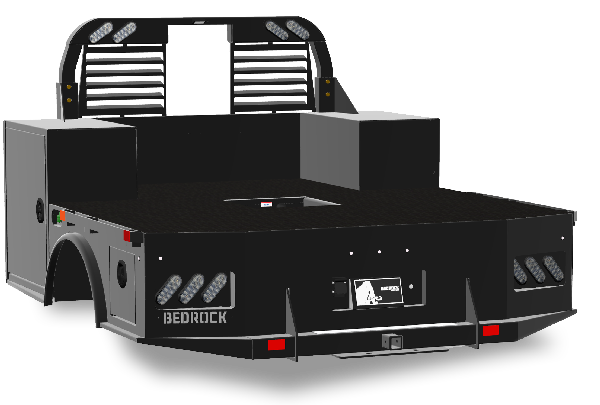
Atomic answer (40‑60 words): The installer aligns the flatbed’s pre‑drilled holes with the chassis, uses Grade 8 bolts, and applies torque according to Bedrock’s specification sheet (usually 85‑95 ft‑lb). Thread‑locking compound and a calibrated torque wrench guarantee a secure, vibration‑free fit.
Step‑by‑step mounting process
- Position the flatbed on a lift or jack stands.
- Insert alignment pins to hold the bed level.
- Place Grade 8 bolts through the chassis and flatbed plates.
- Tighten each bolt to the specified torque in a criss‑cross pattern.
- Apply a marine‑grade sealant to prevent corrosion.
What safety regulations must I follow after installation?
Atomic answer (40‑60 words): Federal Motor Carrier Safety Administration (FMCSA) rules require flatbeds to have a minimum 12‑inch side‑rail height, proper load‑securement devices, and reflectors. Compliance is verified during annual DOT inspections; failure can result in fines or out‑of‑service orders.
Key DOT requirements (2026)
- Side rails must be at least 12 in. above the deck surface. [Source]
- Load‑securement devices must meet FMVSS 236 standards. [Source]
- Reflective tape or markers on the bed edges for night visibility.
How do I validate that the flatbed installation was successful?
Atomic answer (40‑60 words): Conduct a load test using a calibrated weight or real cargo, then perform a visual inspection for any bolt movement or chassis distortion. The dealer should provide a signed installation report and guide you through the Warranty Registration | Flatbeds by BEDROCK Truck Beds process.
Post‑install validation checklist
- Load the flatbed with a weight equal to 80 % of its maximum rating.
- Drive a short route (5‑10 miles) and re‑check torque on all bolts.
- Inspect side‑rail anchoring points for any flex.
- Submit the installation report to Bedrock for warranty activation.
Common mistake: Skipping dealer‑approved torque specifications
Atomic answer (40‑60 words): Many owners install flatbeds themselves and use generic bolts, neglecting the precise torque values. This can lead to bolt loosening, chassis fatigue, and safety hazards, ultimately voiding the Bedrock warranty.
How to avoid this pitfall
- Always use the Grade 8 bolts supplied by Bedrock.
- Follow the torque chart on the installation sheet.
- Have a qualified technician verify the final torque.
- Register the installation promptly to protect your warranty.
Who should I contact for warranty assistance after installation?
Atomic answer (40‑60 words): Reach out to the dealer who performed the install or call Bedrock’s customer service team. Provide the signed installation report, VIN, and proof of purchase. Completing the Warranty Registration online ensures you receive full coverage for the flatbed’s lifespan.
Warranty registration steps
- Log in to the Warranty Registration | Flatbeds by BEDROCK Truck Beds page.
- Enter your truck’s VIN, flatbed model, and dealer information.
- Upload the signed installation report.
- Confirm receipt of the registration email.
Frequently Asked Questions (FAQ)
Atomic answer (40‑60 words): Below are concise answers to the most common queries about truck flatbed installation near you. These cover pricing, timeline, DIY possibilities, maintenance, and more, giving you a quick reference after reading the full guide.
FAQ
Q1: How much does a professional flatbed installation cost in 2026? A: Installation prices range from $1,200 to $2,500 depending on the flatbed size, truck make, and any needed chassis reinforcement. Bedrock‑certified dealers typically include the cost of hardware and a post‑install inspection.
Q2: Can I install a Bedrock flatbed myself? A: While DIY is technically possible, Bedrock requires that installation be performed by a certified dealer to honor the warranty. Self‑installation may void coverage and fail to meet FMCSA torque specifications.
Q3: How long does the installation process usually take? A: A typical professional install takes 4‑6 hours, including chassis prep, mounting, torque verification, and a short test drive. Complex builds with custom adapters may require an additional half‑day.
Q4: What maintenance is required after installation? A: Inspect bolt torque quarterly, especially after heavy loads. Re‑apply sealant every 2‑3 years, and clean side‑rails and reflective tape regularly to maintain DOT compliance.
Q5: Are there financing options for Bedrock flatbeds? A: Many authorized dealers partner with truck financing companies to offer lease‑to‑own or low‑interest loans. Ask your local dealer during the Dealer Locator | Bedrock Truck Beds consultation.
Q6: What is the typical warranty length for Bedrock flatbeds? A: Bedrock provides a 5‑year limited warranty covering structural defects, corrosion, and manufacturing flaws, contingent on proper installation and registration.
Q7: How do I know if my flatbed meets state‑specific regulations? A: Some states have stricter load‑securement rules. Verify with your state’s Department of Transportation; Bedrock dealers can help adapt the flatbed to meet those requirements.
Q8: Can I swap flatbeds if my business needs change? A: Yes, Bedrock designs its beds for modular removal. Work with a certified dealer to safely detach the current bed and install a new model, ensuring torque specs are reset.
Ready to start your flatbed project? Use the Truck flatbed installation near me resource to get a personalized quote, locate a certified installer, and protect your investment with proper warranty registration.
Interested in learning more?
Visit our website to explore products, find dealers, and get in touch.
Visit Bedrock Truck Beds →