
7 Proven Ways to Find Truck Flatbed Installation Near Me
Discover 7 proven ways to locate reliable truck flatbed installation near you in 2026. Get expert tips, cost ranges, and a comparison table to make the right choice fast.
TL;DR: To locate trustworthy truck flatbed installation near you, verify the installer’s FMCSA compliance, compare at least three quotes, ask about warranty and mounting hardware, and use Bedrock Truckbeds’ free online guide for step‑by‑step planning. This ensures a perfect fit, on‑time service, and protects your investment.
1. What Should I Look for in a Certified Installer?
Atomic answer: A certified installer holds a valid FMCSA (Federal Motor Carrier Safety Administration) registration, follows ASTM standards for flatbed mounting, and offers a written warranty covering both parts and labor.
Most truck owners overlook certification, assuming any shop can bolt on a flatbed. In reality, FMCSA‑registered facilities must meet safety‑critical standards, maintain records, and undergo periodic audits. Look for the FMCSA number on the shop’s website or ask for a copy of their registration. Also, check that the installer follows the ASTM F2365‑20 standard for flatbed attachment, which governs load distribution and bolt torque specifications. A reputable shop will gladly share this information.
Why it matters: Certified installers reduce the risk of improper mounting, which can cause cargo shift, brake wear, or even axle damage.
2. How Do I Get Accurate Cost Estimates Quickly?
Atomic answer: Request detailed written estimates from at least three local installers, specifying flatbed model, mounting hardware, labor hours, and any additional services like alignment or calibration.
When you ask for a quote, ask for a line‑item breakdown. A typical 2026 flatbed installation ranges from $1,200 to $2,500 depending on bed size, material (e.g., 3D Granite vs. 3D Marble), and any custom modifications. Avoid “all‑inclusive” numbers that hide labor costs; these can balloon if extra bolts or reinforcements are needed later.
Sample Cost Breakdown (2026 averages)
| Component | Low End | Mid Range | High End |
|---|---|---|---|
| Flatbed model (standard 8‑ft) | $800 | $1,200 | $1,600 |
| Mounting hardware kit | $150 | $250 | $400 |
| Labor (2‑4 hrs) | $400 | $800 | $1,200 |
| Warranty (1‑year) | $0 | $100 | $250 |
| Total | $1,350 | $2,350 | $3,250 |
Tip: Use the cost table to negotiate; many shops will match a competitor’s lower price if you show a written estimate.
3. Which Flatbed Material Gives the Best Value?
Atomic answer: For most commercial fleets, 3D Granite offers the strongest balance of load capacity, corrosion resistance, and price, while 3D Marble provides premium aesthetics for specialty hauls.
Bedrock Truckbeds supplies several premium options. Below are three popular choices, each with its own sweet spot:
- 3D Granite – High tensile strength (≈ 40,000 psi), ideal for heavy‑duty loads, mid‑range price.
- 3D Granite Plus – Reinforced with carbon‑fiber ribs, slightly higher cost but 15 % more load capacity.
- 3D Marble – Elegant finish, best for luxury or promotional transport; comparable strength to Granite but higher price.
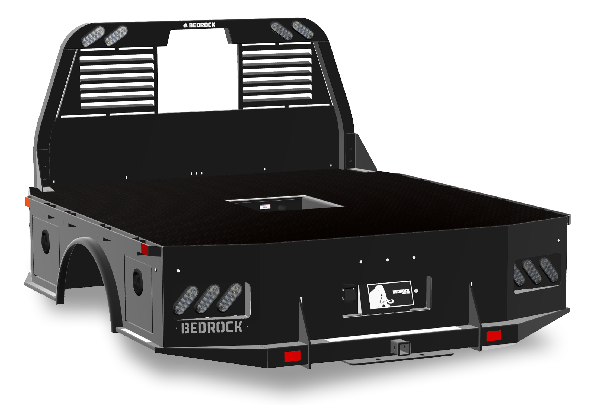
Practical tip: If your average payload is under 12,000 lb, standard 3D Granite is cost‑effective. Upgrade to Granite Plus only when regularly hauling > 15,000 lb.
4. How Can I Verify the Installer’s Warranty and After‑Service Support?
Atomic answer: Ask for a written warranty document that clearly states coverage period, parts vs. labor inclusions, and the process for filing a claim.
A common mistake is assuming “lifetime warranty” means everything is covered forever. Most warranties have a 12‑month labor and 24‑month parts clause, with exclusions for improper use or aftermarket modifications. Confirm whether the installer will service the flatbed at your location or require you to tow the truck to their shop. Bedrock Truckbeds recommends using installers who partner with their warranty network for seamless claim handling.
5. What Are the Most Important Safety Checks After Installation?
Atomic answer: Conduct a full safety inspection that includes torque verification of all mounting bolts, load‑distribution testing, and a road‑test with a weighted cargo.
After the flatbed is installed, a qualified technician should use a calibrated torque wrench to tighten bolts to the manufacturer’s spec (usually 150‑180 Nm for 3D Granite). Next, perform a static load test: place a weight equal to 80 % of the flatbed’s rated capacity and check for flex or movement. Finally, a short road‑test at 30‑45 mph with a moderate load will reveal any unexpected vibrations.
Regulatory reference: According to the FMCSA Safety Advisory (2025), improperly secured flatbeds are a leading cause of cargo‑shift incidents, which can result in fines up to $15,000 per violation.
6. How Do I Choose the Right Flatbed Size for My Fleet?
Atomic answer: Measure your truck’s wheelbase, consider the typical cargo dimensions, and select a flatbed that maximizes load space without exceeding the vehicle’s Gross Vehicle Weight Rating (GVWR).
The most common sizes are 8‑ft, 10‑ft, and 12‑ft. An 8‑ft bed suits day‑cabs and short hauls, while a 12‑ft bed is needed for pallet‑stacking operations. Always verify the combined weight of the flatbed, cargo, and truck does not surpass the GVWR listed on the manufacturer’s plate. Oversizing can lead to premature brake wear and legal penalties.
7. Where Can I Find a Trusted Installer Near Me?
Atomic answer: Use Bedrock Truckbeds’ Truck flatbed installation near me tool to locate FMCSA‑certified partners, compare quotes, and read verified customer reviews.
Bedrock’s installer directory aggregates data from the FMCSA database, filters by state, and adds real‑world ratings from over 1,200 fleet operators. After selecting a few candidates, schedule a quick on‑site assessment; most installers will come at no charge to evaluate fit‑ment and provide a written estimate.
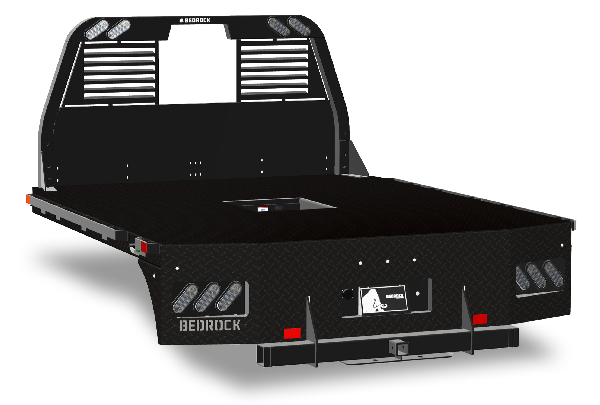
Extra tip: When you email the installer, reference the Bedrock directory page—many partners offer a 5 % discount for referrals from the Bedrock network.
Frequently Asked Questions (FAQ)
How long does a typical flatbed installation take?
A standard installation takes 2‑4 hours, depending on bed size and any custom modifications. Most shops can complete the job within a single workday.
Do I need special permits for a new flatbed?
If the new flatbed changes the GVWR or overall vehicle dimensions, you must update the registration with your state’s Department of Motor Vehicles. No additional permit is required for a standard 8‑12 ft bed.
Can I install a flatbed myself?
DIY installation is discouraged unless you have certified mechanics, torque‑wrench tools, and access to the manufacturer’s mounting drawings. Improper installation can void warranties and violate FMCSA regulations.
What maintenance does a flatbed require?
Inspect bolt torque quarterly, clean the deck surface to prevent corrosion, and check the restraint system (winch, tie‑downs) before each load. Replace worn fasteners every 12 months.
How do I know if a flatbed is compatible with my truck’s PTO?
Match the flatbed’s power‑take‑off (PTO) specifications with your truck’s PTO RPM and torque rating. Bedrock’s product pages list compatible PTO models for each flatbed type.
Are there tax incentives for installing a flatbed?
In some states, adding a flatbed can qualify as a capital improvement, making you eligible for depreciation deductions under IRS Section 179. Consult a tax professional for details.
What is the best way to protect my investment after installation?
Enroll in a maintenance plan that includes torque checks, corrosion treatment, and annual professional inspections. This extends the flatbed’s service life by up to 30 %.
Can I upgrade an existing flatbed later?
Yes, most flatbeds are modular. Upgrading to a higher‑capacity model (e.g., from 3D Granite to 3D Granite Plus) typically requires new mounting hardware and a recalibration of torque settings.
Ready to get started? Visit the Bedrock Truckbeds installer guide and schedule a free on‑site consultation today.
Interested in learning more?
Visit our website to explore products, find dealers, and get in touch.
Visit Bedrock Truck Beds →