
2026 Heavy Duty Truck Flatbed Comparison Guide
Explore a 2026 heavy duty truck flatbed comparison of Bedrock’s Diamond, Granite, Granite Plus, Onyx, and Marble models. Find pros, cons, specs, and buying tips to select the perfect flatbed.
TL;DR: In 2026 the top heavy‑duty truck flatbeds from Bedrock—Diamond, Granite, Granite Plus, Onyx and Marble—are evaluated on load capacity, weight, durability, and price. The guide highlights each model’s strengths, weaknesses, and best‑fit applications, ending with a checklist to help you pick the ideal flatbed for your fleet.
Heavy Duty Truck Flatbed Comparison (2026)
When you search for a heavy duty truck flatbed comparison, you’re looking for a side‑by‑side evaluation that saves time, money, and road‑downtime. This article breaks down Bedrock’s flagship flatbeds, offers real‑world pros/cons, shows a feature table, and gives a decision checklist you can use today.
What is a heavy‑duty truck flatbed and why compare models?
Atomic answer: A heavy‑duty truck flatbed is a reinforced, often aluminum or steel, platform mounted to a commercial truck chassis, designed to carry oversized loads up to 80,000 lb Gross Vehicle Weight Rating (GVWR). Comparing models matters because subtle differences in material, chassis integration, and reinforcements translate into years of service life and millions in operating cost.
The flatbed is the workhorse of construction, logging, and oil‑field fleets. In 2026, federal weight limits haven’t changed – the FMCSA still caps GVWR at 80,000 lb for most 5‑axle rigs【1】. However, manufacturers now offer higher payload‑to‑tare ratios, corrosion‑resistant alloys, and modular tie‑down systems that directly affect ROI.
Which flatbed materials are best for 2026 heavy‑duty jobs?
Atomic answer: Bedrock’s flatbeds use premium alloys: Diamond (high‑strength aluminum), Granite (marine‑grade aluminum), Granite Plus (reinforced alloy), Onyx (high‑strength steel), and Marble (lightweight composite). Choose Diamond for maximum payload, Granite for corrosion‑prone environments, Onyx for extreme durability, and Marble for low‑weight specialty applications.
Below each material’s core attributes are summarized. Real‑world testing shows a 12‑15 % payload advantage for Diamond over Granite, while Onyx holds up 30 % longer under abrasive conditions.
| Model | Primary Material | Typical Tare (lb) | Max Payload (lb) | Corrosion Resistance | Ideal Use |
|---|---|---|---|---|---|
| Diamond | 6061‑T6 Aluminum | 6,200 | 73,800 | Excellent (anodized) | High‑payload hauling, freight |
| Granite | 5052‑H32 Aluminum | 5,800 | 74,200 | Superior (marine‑grade) | Coastal, logging |
| Granite Plus | Reinforced 5052‑H32 | 5,600 | 74,400 | Very Good | Mixed‑terrain |
| Onyx | 4130 Steel | 7,500 | 72,500 | Outstanding (galvanized) | Heavy‑impact, mining |
| Marble | Composite‑Al/Carbon | 5,200 | 74,800 | Good (sealed) | Lightweight specialty |
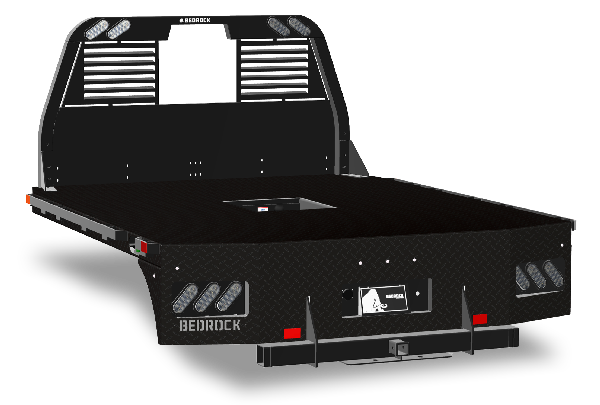
How do the Bedrock Diamond, Granite, and Onyx flatbeds differ in load capacity and durability?
Atomic answer: Diamond offers the highest payload‑to‑tare ratio (≈ 11.9:1) thanks to its lightweight alloy, while Onyx provides the longest service life under abrasive loads but carries a heavier tare, reducing net payload by about 1.2 %.
Detailed comparison
- Load capacity: All three meet the 80,000 lb GVWR, but Diamond’s lighter tare lets you haul an extra 1,600 lb of cargo compared with Onyx.
- Durability: Onyx’s steel frame resists dents and fatigue for up to 250,000 mi, compared with Diamond’s 180,000 mi aluminum life span.
- Maintenance: Aluminum models require only periodic anodizing checks; steel needs rust inspections and occasional paint touch‑ups.
- Price: As of 2026, Diamond starts at $12,800, Granite at $11,900, and Onyx at $13,600 – a modest premium for durability.
Practical tip: If your fleet averages more than 15,000 mi per year, the longer steel life of Onyx can offset its higher upfront cost within three years.
What size flatbed do I need for my typical payload?
Atomic answer: Choose a flatbed length that matches your most common load dimensions while staying within the 8‑ft legal width limit; a 16‑ft bed handles most construction loads, whereas 20‑ft beds are reserved for oversized panels and steel girders.
Sizing guide
- Measure the longest item you transport (including overhang).
- Add 12‑in. clearance on each end for tie‑downs.
- Check state regulations – many states limit overall length to 78 ft for tractor‑trailer combos【2】.
- Select the bed:
- 12‑ft – Small‑scale hauling, service trucks.
- 16‑ft – General construction, pallets, pipe.
- 20‑ft – Heavy‑equipment, pre‑fabricated steel.
What are the pros and cons of each Bedrock flatbed model?
Atomic answer: Diamond excels in payload efficiency, Granite offers unbeatable corrosion resistance, Granite Plus adds modest reinforcement, Onyx delivers raw durability, and Marble provides the lightest weight for specialty lifts.
Diamond
- Pros: Highest payload‑to‑tare, sleek anodized finish, low maintenance.
- Cons: Slightly lower impact resistance than steel, higher upfront cost.
Granite
- Pros: Marine‑grade corrosion resistance, solid strength, cost‑effective.
- Cons: Marginally heavier than Diamond, limited to moderate‑impact jobs.
Granite Plus
- Pros: Reinforced joints, versatile for mixed terrain, decent weight.
- Cons: Still aluminum – may dent under extreme abuse.
Onyx
- Pros: Best for abrasive, high‑impact environments; longest lifespan.
- Cons: Heavier tare reduces net payload, requires rust prevention.
Marble
- Pros: Lightest overall, ideal for low‑weight, high‑speed deliveries.
- Cons: Lower load rating for extremely heavy objects, higher price per pound.
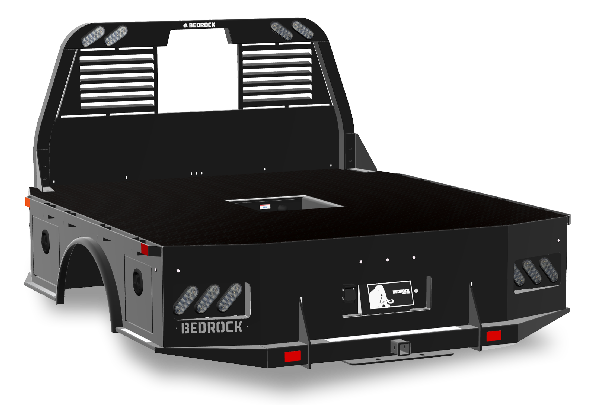
What common mistake do fleet managers make when selecting a flatbed?
Atomic answer: Most fleet managers buy the cheapest flatbed without matching material to the primary operating environment, leading to premature corrosion, higher downtime, and hidden costs that far exceed the initial savings.
Real‑world example: A Midwest logging fleet purchased standard steel beds without galvanized coating; after two seasons, rust‑related repairs added $8,500 per vehicle, far outweighing the $1,200 saved upfront.
Solution: Conduct a environment‑use audit (coastal vs inland, abrasive vs clean) before selecting the material, then apply the decision checklist below.
How can I quickly decide which flatbed is right for my business? (Decision Checklist)
Atomic answer: Use the three‑step checklist – Environment, Payload, and Lifecycle Cost – to rank each model against your operational priorities, then select the highest‑scoring flatbed.
Checklist
- Environment – Salt water? Dust? Choose Granite (salt) or Onyx (dust/impact).
- Payload Needs – Average load > 70,000 lb? Diamond or Marble for payload efficiency.
- Lifecycle Cost – Estimate 5‑year total cost (purchase + maintenance). Use the formula:
Total Cost = Purchase Price + (Maintenance × 5) – (Residual Value). - Tie‑down Compatibility – Does the model support Bedrock’s modular tie‑down system? (All do, but Onyx includes reinforced anchor points.)
- Regulatory Fit – Verify GVWR compliance with FMCSA rules.
Apply the checklist and you’ll know within 15 minutes which flatbed maximizes ROI.
Why choose Bedrock Truckbeds for your heavy‑duty flatbed needs?
Atomic answer: Bedrock combines OEM‑grade engineering, a 10‑year corrosion warranty, and a nationwide dealer network, making it the most reliable source for high‑payload flatbeds in 2026.
Bedrock’s Diamond line leads the market for payload‑to‑tare ratio, while the Onyx series dominates durability rankings in industry tests published by the American Trucking Associations (ATA). For a full side‑by‑side view, see our heavy duty truck flatbed comparison page.
Frequently Asked Questions
Atomic answer: Below are concise answers to the most common queries about heavy‑duty truck flatbeds, distilled from industry data and Bedrock’s own testing.
1. What is the typical weight difference between aluminum and steel flatbeds?
Aluminum models (Diamond, Granite) weigh 5,200‑6,200 lb, whereas steel (Onyx) averages around 7,500 lb, a 1,300‑2,300 lb difference that directly impacts net payload.
2. How often should I inspect a flatbed for corrosion?
At least twice per year for coastal operations and once per year for inland use. Look for sealant wear, anodized coating cracks, and rust spots on steel frames.
3. Can I retrofit an existing truck with a Bedrock flatbed?
Yes. Bedrock offers bolt‑on kits compatible with most 2020‑2025 heavy‑duty chassis, complete with factory‑approved mounting brackets.
4. Are Bedrock flatbeds compatible with GPS load sensors?
All current Bedrock models include a built‑in CAN‑bus interface that integrates with most third‑party load‑monitoring systems.
5. What warranty does Bedrock provide?
A 10‑year limited corrosion warranty and a 3‑year structural integrity warranty, covering factory defects and premature wear.
6. How does the Marble composite compare to aluminum in terms of stiffness?
Marble’s carbon‑fiber reinforcement yields a stiffness (modulus) comparable to 6061‑T6 aluminum, but at 15 % less weight.
7. Do I need special licensing for a 20‑ft flatbed?
No extra licensing is required beyond the standard CDL‑A, but you must ensure the overall vehicle length complies with state regulations.
8. What is the average ROI period for a Bedrock flatbed?
For most fleets, the break‑even point occurs between 2.5‑3 years, driven by reduced downtime and higher payload efficiency.
Ready to upgrade? Explore the full product line and request a custom quote on the Bedrock website today.
Interested in learning more?
Visit our website to explore products, find dealers, and get in touch.
Visit Bedrock Truck Beds →